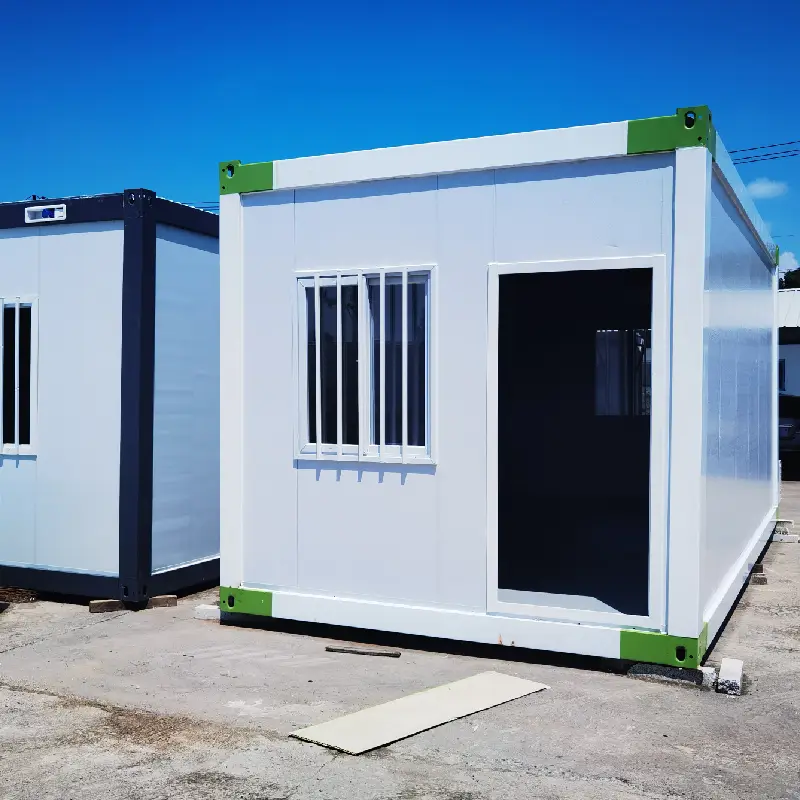
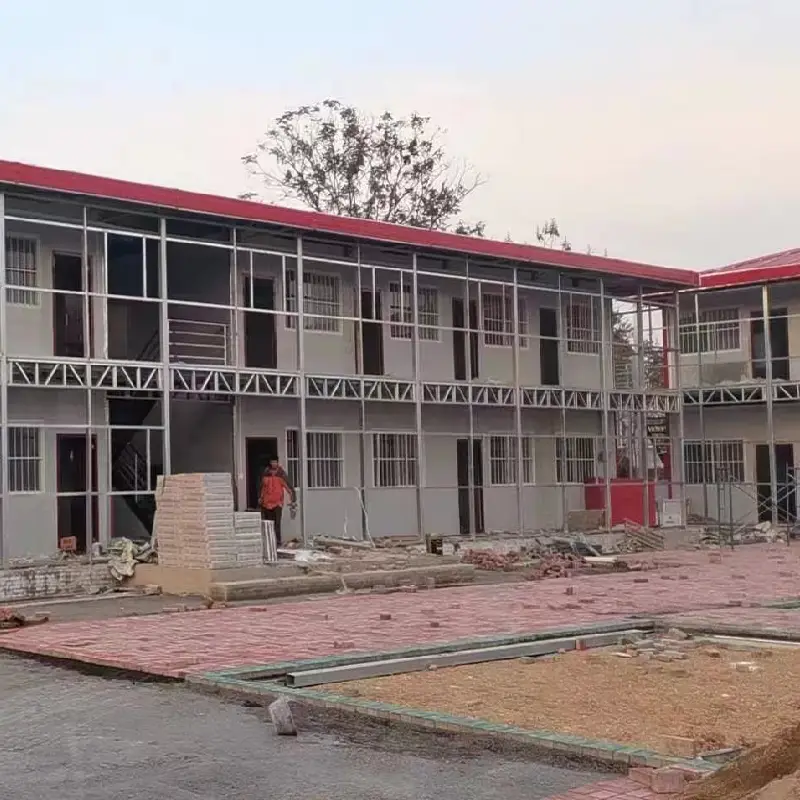
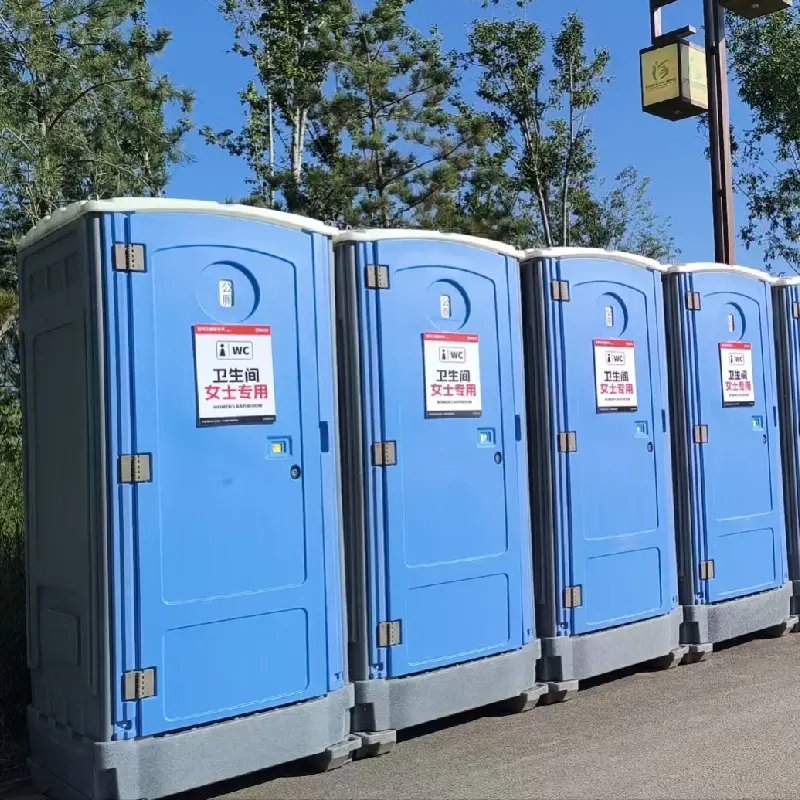
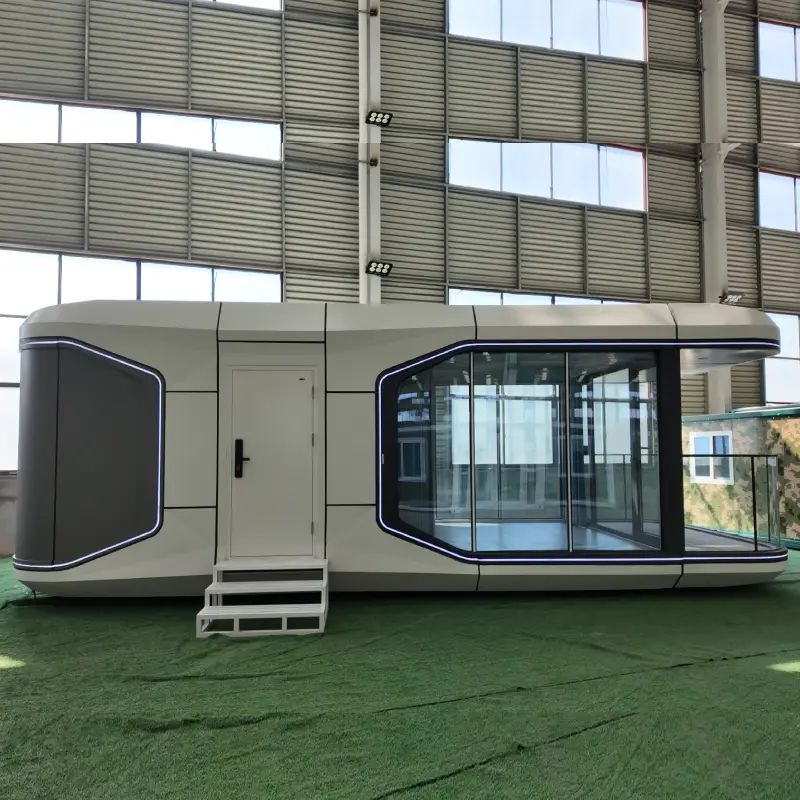
Prefab container houses change how we think about building by moving most of the actual work to a controlled factory setting instead of doing everything at the construction site. What happens? Structural parts, wall sections, even whole rooms already equipped with all the necessary mechanical, electrical, and plumbing systems get made simultaneously in the factory. This method allows for much better quality control and consistency compared to traditional building methods where weather conditions often slow things down and tasks have to happen one after another. When the groundwork is finally done, the main structure arrives almost ready to go, which cuts down on site time dramatically. Some projects that would normally take months can now be assembled in just days once the foundation is set.
Factories provide stable environments with controlled temperatures, proper humidity levels, and predictable workflows something that's basically impossible to achieve at regular job sites. When weather conditions change or site conditions vary, problems happen all the time. Defects creep in, workers have to do extra work fixing mistakes, and projects get delayed for no good reason. According to some industry reports from FMI back in 2022, construction rework alone eats away around 9% of what companies spend on projects overall. But when things are made under standard conditions in factories, those numbers drop significantly. With specialized jigs and really precise tools, each part gets manufactured exactly as it should be. This means fewer last minute changes once components arrive on site and ultimately better quality buildings. Projects finish quicker too, while still maintaining their structural integrity throughout the entire process.
The weather can really throw a wrench into traditional construction schedules, sometimes stopping work for days on end or even weeks at a time. With prefabrication, builders avoid this problem because most of the actual building happens inside protected facilities. When crews are getting ready to lay down the foundation on site, workers elsewhere are already putting together walls, roofs, and other components that won't get messed up by bad weather conditions. The way these two processes run side by side makes a huge difference. Studies show that prefab methods typically cut project timelines by around 30 to 50 percent when compared to regular construction methods. Contractors who have switched to this approach often mention how much smoother everything goes once they're not constantly battling Mother Nature.
Building with prefabricated container houses speeds things up because site prep and module building happen at the same time rather than one after the other. Traditional construction usually sits around waiting for foundations to dry before anyone starts on the actual structure. But with modular approaches, workers can dig holes, lay pipes, pour concrete foundations right alongside what's happening in the factory where containers are being converted into living spaces. This means no dead time when different crews have to wait for each other, and nobody gets stuck because of rain delays or snowstorms holding things back. Since factory operations don't depend on whatever weather happens onsite, managers find it much easier to keep everything moving smoothly together, which cuts down overall project time without creating chaos among different teams working simultaneously.
When building a hotel with prefabricated modular units instead of traditional methods, they managed to cut down construction time by around 40%. Site workers were busy getting the foundation ready while back at the factory, production lines churned out roughly 1,200 square meters worth of modules each month. The real trick here was separating when designs needed to be finalized from what was happening on site, making sure factory production matched up with how ready the site actually was. This approach completely sidestepped those usual bottlenecks that hold projects back. As a result, guests started checking in way earlier than planned, which meant the hotel could start bringing in money months sooner than expected something that makes all the difference for bottom line profits.
Prefab construction brings scheduling advantages that go way beyond just saving time. When everything happens in a factory setting, there's no waiting around for rain to stop or snow to melt. The whole process becomes much more predictable because tasks take roughly the same amount of time each time they're done. Modules arrive right when needed too. Think about it this way: foundations get finished, then the next day those pre-made sections show up at the site ready to go. No need for huge storage areas or figuring out how many workers to have onsite at any given moment. All these factors make construction sites run smoother overall. Contractors report finishing jobs anywhere from 30 to almost half the time compared to building everything on location. That kind of efficiency makes a big difference in project budgets and timelines.
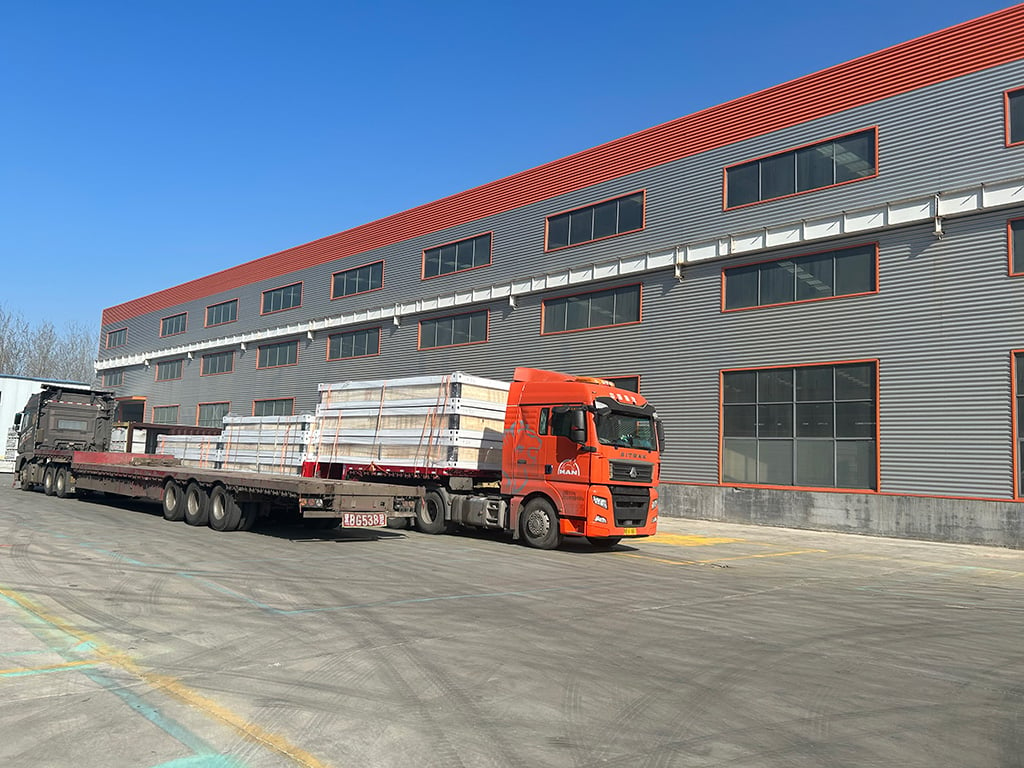
When prefabricated container modules show up at construction sites, around 90% of the actual building work has already been done off site. This means they can be delivered right when the foundations are ready to go, no waiting around for materials to arrive piece by piece. The result? Much smaller areas needed for storing construction materials onsite, cutting down those storage spaces by more than half compared to traditional building methods. These containers come shipped exactly in the order they need to be installed, so crane operators basically just lift them straight off the truck and onto their permanent spots. No need for extra handling or temporary storage anywhere else. Industry research suggests this streamlined approach usually trims about two to three days off each construction project timeline.
The standardized connections used in these systems make putting things together much faster than conventional methods. Most prefabricated container homes can be installed completely within just one to three days once they arrive at the site. The pre-drilled bolts mean no messy welding or cutting needs to happen on location, which saves both time and money. Plus, those built-in lifting points let cranes place each 20 foot module into position pretty quickly, usually taking less than fifteen minutes per module. Overall, this organized approach cuts down installation time by somewhere around forty to fifty percent when compared to regular building techniques. And for smaller projects, sometimes everything gets put together right there on site during just one workday without any major delays.
When electrical work, plumbing, and interior finishes are done at the factory, construction sites need about 30 to 40 percent fewer workers compared to regular building projects. What remains for field crews is mostly connecting the pre-made modules together and checking that everything works as it should, instead of doing all the complicated installation work themselves. The savings in labor time helps get projects finished faster, which matters a lot. Plus, it cuts down on the need for hard-to-find skilled workers locally. This makes a big difference in places far from cities or areas where there just aren't enough qualified people available for hire.
Building with prefabricated containers cuts down construction time significantly compared to standard building approaches. Traditional home construction works in stages first comes the foundation work, then framing gets added, followed by installing plumbing and electrical systems, and finally finishing touches everything has to wait for the previous step to finish. With prefabs, things work differently. While preparing the land for the new structure, manufacturers are already putting together components in their factories away from rain delays and other on-site problems that slow things down. Industry reports suggest regular stick-built homes typically need between six and twelve months before someone can move in, whereas similar sized prefab container homes usually get finished within two to four months. That means cutting construction time roughly in half sometimes even more depending on various factors.
Let's look at two similar houses side by side. One was built the old fashioned way with sticks and nails, while the other is made from shipping containers put together like building blocks. Traditional construction usually takes around half a year before anyone can move in, but all sorts of things can throw off that schedule. Rain delays, missing materials, or contractors who don't show up when promised are common headaches. Prefab container homes tell a different story though. These homes hit the finish line in about three months total. While workers are pouring concrete for the foundation, the actual house is already being assembled inside a factory somewhere. Then comes the final step where everything gets bolted together on site, which typically only takes a few days max. Cutting the timeline in half means saving money on loans, less mess in the neighborhood, and people get to start living in their new place much sooner than expected.
When it comes to building with prefabricated containers, the speed really works in everyone's favor. Homeowners get settled into their new spaces much quicker than traditional builds allow. Developers see their money back faster too, which matters a lot when cash flow is tight. Businesses can start making sales months ahead of schedule instead of waiting around while competitors gain ground. The shorter timelines translate to real savings across the board. Labor costs drop because crews aren't stuck onsite forever. Materials don't sit around gathering dust either, so price fluctuations hit harder projects where everything takes longer. Weather delays and those frustrating labor shortages become far less problematic when most of the work happens offsite. Whether it's a family home, office space, or school facility, getting things done fast has made modular construction a smart choice for many builders these days looking to stay competitive without breaking budgets.
The primary advantage is significantly reduced construction time due to simultaneous work processes and factory-controlled environments that eliminate weather-related delays.
Prefabrication reduces project costs by requiring fewer on-site workers, minimizing material storage needs, and offering a predictable construction timeline which reduces financial risks.
Yes, prefabricated buildings are structurally sound. They are built in controlled factory settings which ensure high quality and consistency in construction.
Yes, prefabrication is highly suitable for large-scale projects such as hotels and office buildings, often resulting in significant time and cost savings.
 Hot News
2025-04-23
2025-04-16
2025-04-02
2025-06-17
2025-06-18
2026-02-05

Copyright © 2025 by Jinan Xinouda Import & Export Co., Ltd. - Privacy policy

 EN
EN