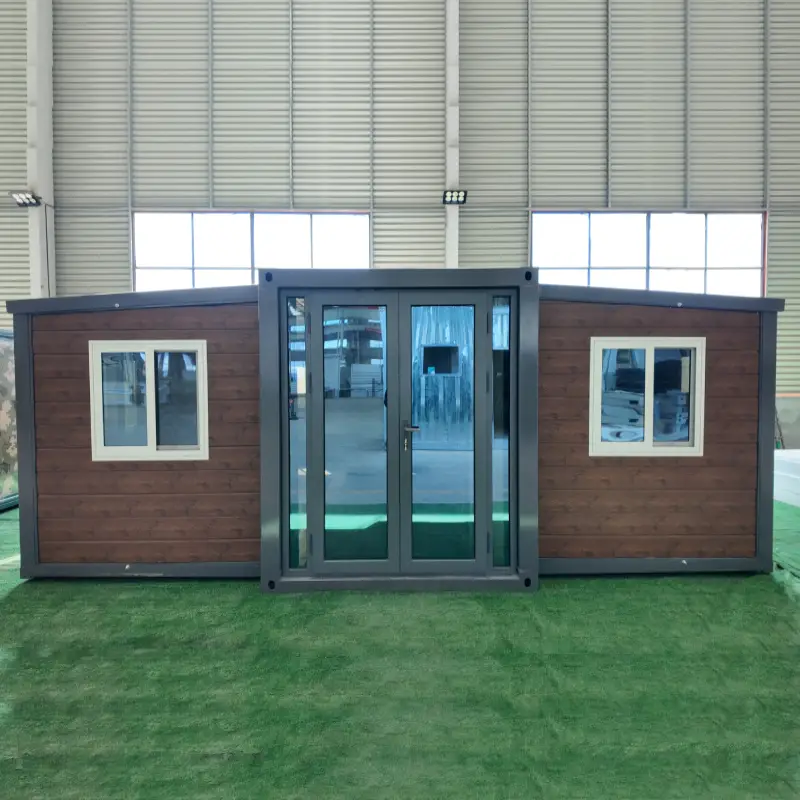
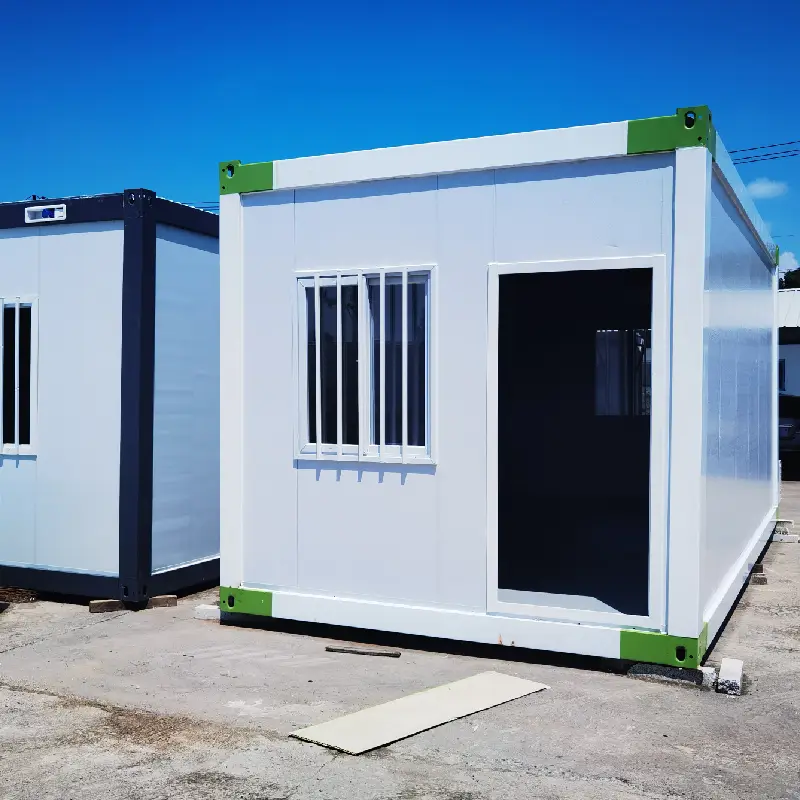
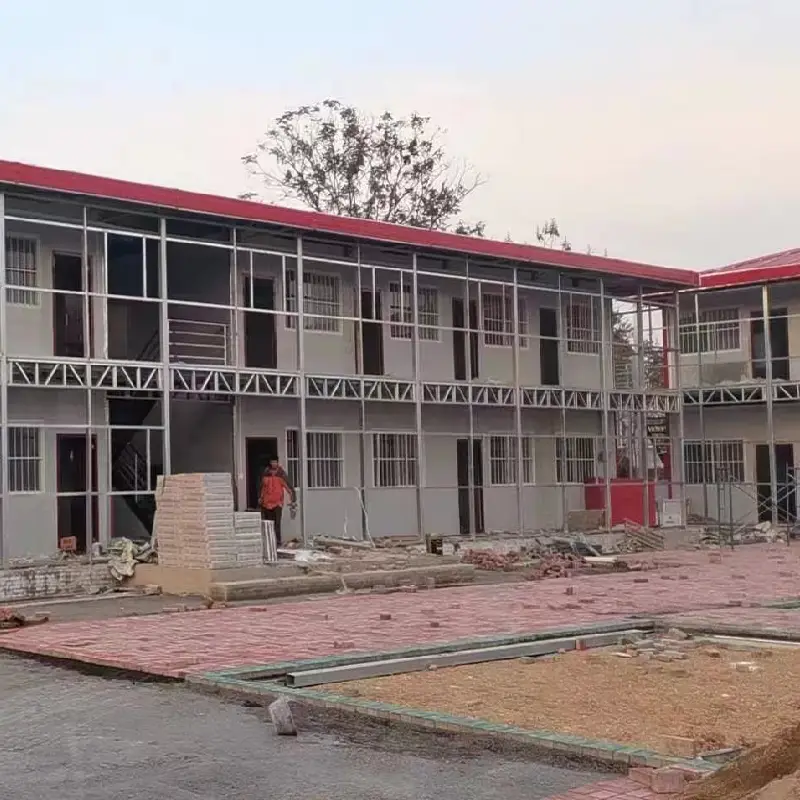
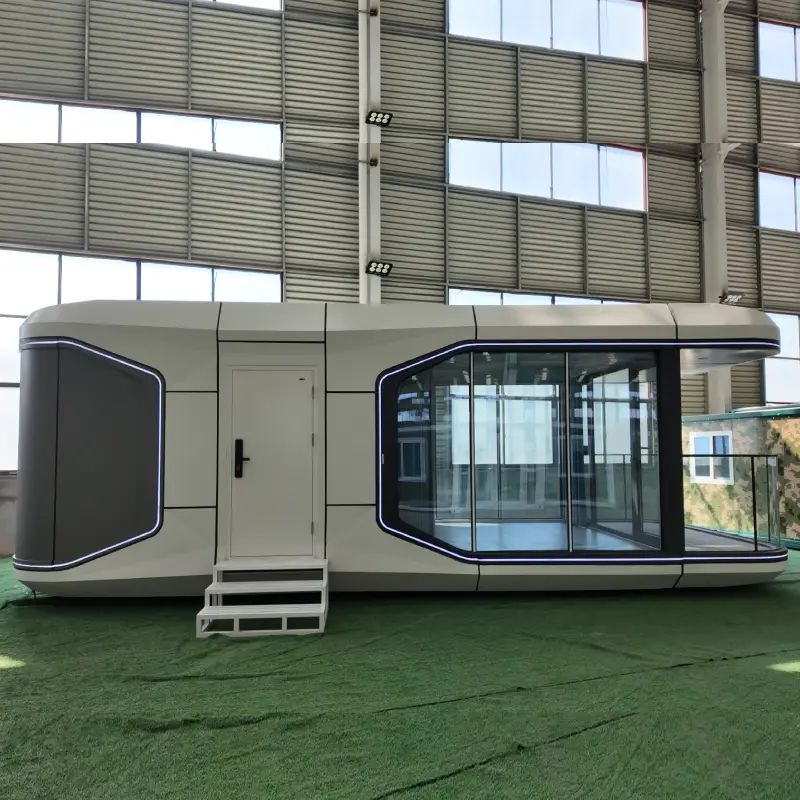
When talking about structural integrity, checking those certified load ratings should be the first step anyone takes. Regular ISO shipping containers come with CSC plates that say they can handle around 192,000 pounds stacked vertically. But when building multi-story container homes or bulk storage solutions, things get complicated fast. Engineers need to account for both dead loads like the structure itself and finishes, plus all sorts of live loads from people living there, furniture weight, snow accumulation, and wind forces. Once we start stacking four containers or more, reinforcement becomes critical. The corner posts need extra strength and lateral bracing added to prevent buckling issues and fight off wind shear problems. Before expanding upwards, make sure those CSC plates are still valid and don't forget about doing some actual compression tests right at the site where construction will happen. Experience shows this basic check saves headaches later on.
Cutting openings for windows, doors, or service penetrations can reduce torsional rigidity by up to 40%. Welded reinforcements must exceed the base steel’s tensile strength (50,000 psi minimum) to prevent stress fractures at joints. Key safeguards include:
Corner castings alone cannot ensure stability in multi-tiered configurations. Diagonal cross-bracing—typically hot-rolled steel members—is critical for distributing lateral forces and preventing racking. Foundation integration must be site-specific:
The rules about where to put those big container homes can be all over the map, literally even inside one state. When it comes to residential areas, there tend to be stricter requirements regarding how far back they need to sit from property lines, what heights are allowed, and how many units per acre are permitted compared to business or factory zones. Cities sometimes just say no to these shipping container houses completely, but out in the country folks usually have an easier time getting approval without much paperwork involved. However watch out if trying something near beaches, old buildings, or nature preserves since those special areas often throw in extra checks to protect wildlife habitats or maintain certain looks on the landscape. Always check with local authorities first before starting anything serious because according to recent studies around two thirds of all delays happen when people don't line up properly with zoning laws.
Permit approval hinges on three validated components:
Jurisdictions like California require seismic retrofit documentation, while Northeastern states emphasize thermal performance reporting aligned with IECC standards. Projects submitting pre-verified, digitally organized compliance packages secure permits 40% faster than those submitting ad hoc documentation.
The 20 foot container really shines when space is tight or when deployment happens in stages. They're easier to move around, work well with standard cranes, and allow for gradual expansion as needed. When it comes to bigger spaces, the 40 foot high cube units offer roughly double the floor space compared to their smaller counterparts while requiring fewer connections between modules. This makes them great for setups that need multiple rooms or sections. Looking at logistics, shipping costs drop somewhere between 15% to maybe even 20% with these larger units. Plus, putting together identical modules takes about 30% less time when using the 40 foot HC model during installation. For sites with limited access points or projects that will be occupied in phases over time, go with the 20 foot option. But if maximizing space utilization, speeding up construction, and getting better value over the long haul matters most, then the 40 foot high cube containers are definitely worth considering.
New or single-use containers typically cost 40 to 60 percent more upfront but come ready for certification right out of the box. Their untouched frames, factory scale finish, and lack of rust problems mean faster approval times and easier connections for utilities. On the flip side, buying used containers cuts initial costs by about 35%. However most secondhand units need extra welding work, rust removal, and new flooring which adds around 25% to what they'll cost over their lifetime. Getting certified takes 4 to 6 weeks longer for used containers because inspections pile up and repairs take time. When it comes to designing spaces inside, there's a big difference too. New containers can handle about 90% of special layout needs while older ones with structural issues manage only around 60%. For projects where timing matters and designs need to stay exactly as planned, go with new containers. Save used ones for situations where budget is tight, but only after getting proper checks from qualified inspectors who know what they're looking for.
Looking at the whole picture when it comes to costs rather than just what something costs initially makes bulk pack container housing a smart investment. Factory made modules save around 40 to 60 percent in materials compared to regular building methods. Plus, making things off site means workers spend way less time onsite - about 70 percent less actually according to the Modular Building Institute from last year. Buying in bigger quantities pays off too. When companies order more than fifty units, they usually get between 15 and 25 percent off the price. The money saved over time is impressive as well. Maintenance expenses go down roughly 30 percent each year across fifteen years because these containers use rust proof steel, parts can be swapped out easily, and most components stay good for reuse after being taken apart, keeping about 94 percent of their original quality as noted by World Steel Association in 2022. Any serious total cost of ownership calculation should definitely include all these factors though.
This disciplined, whole-life perspective ensures bulk pack container housing delivers durability, adaptability, and measurable ROI—not just speed-to-occupancy.
What are the primary structural concerns when stacking containers?
The main structural concerns include load-bearing capacity, reinforcement needs for corner posts and bracing, and consideration of dead and live loads like furniture and wind forces.
How do modifications impact container integrity?
Modifications like cutting openings for windows can reduce torsional rigidity by up to 40% and require welded reinforcements that exceed base steel’s tensile strength.
Why is zoning compliance crucial for container housing?
Zoning compliance is crucial because rules vary greatly between residential and commercial areas, and failing to adhere to them can lead to project delays.
What documentation is required for permit approval?
Essential documentation includes sealed structural engineering reports, Class A fire-resistance certifications, and ADA-compliant accessibility plans.
 Hot News
2025-04-23
2025-04-16
2025-04-02
2025-06-17
2025-06-18
2026-02-05

Copyright © 2025 by Jinan Xinouda Import & Export Co., Ltd. - Privacy policy

 EN
EN