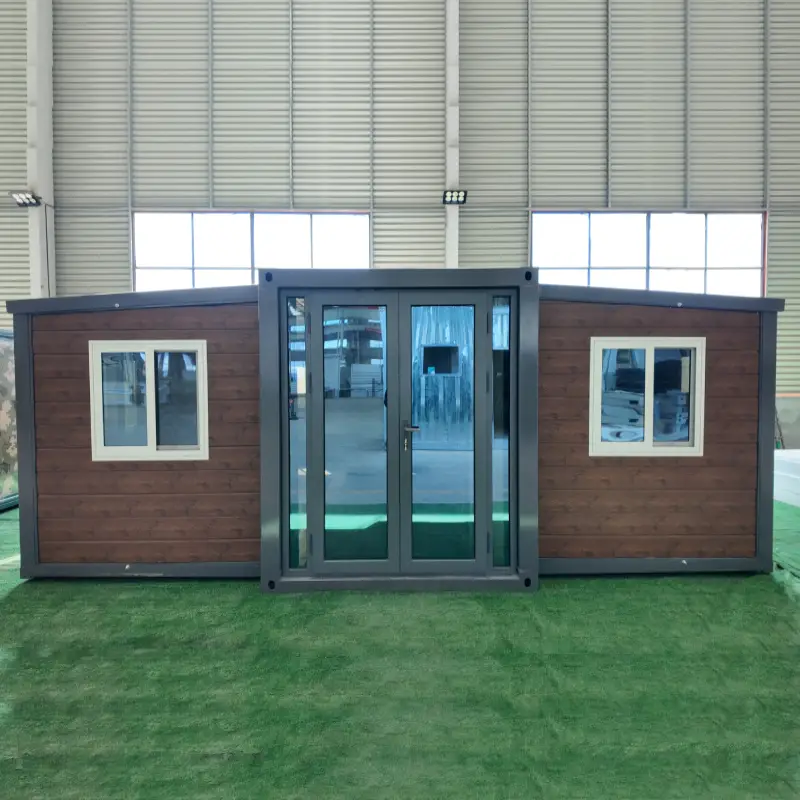
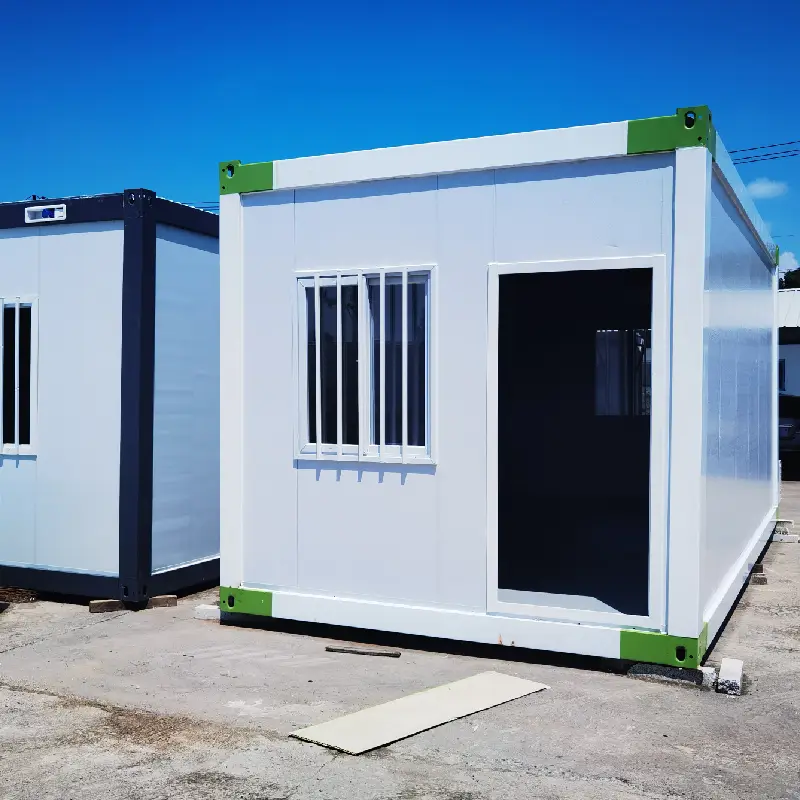
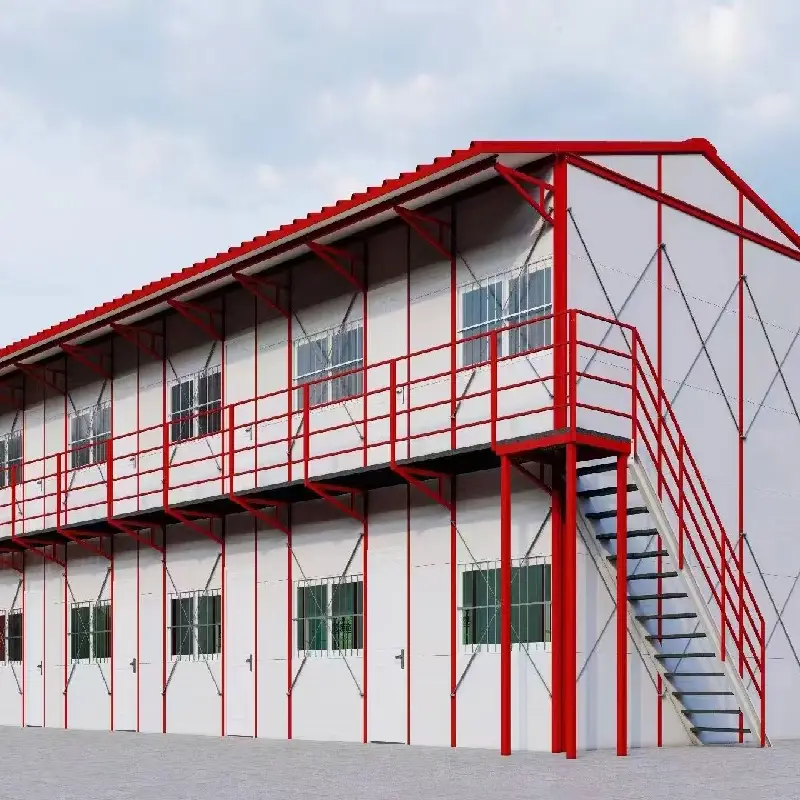
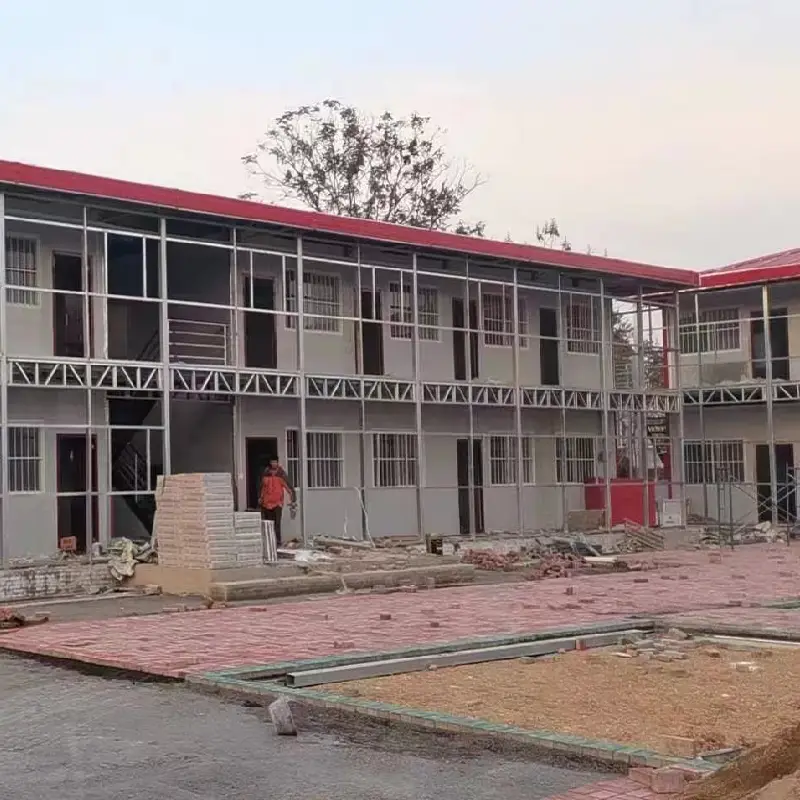
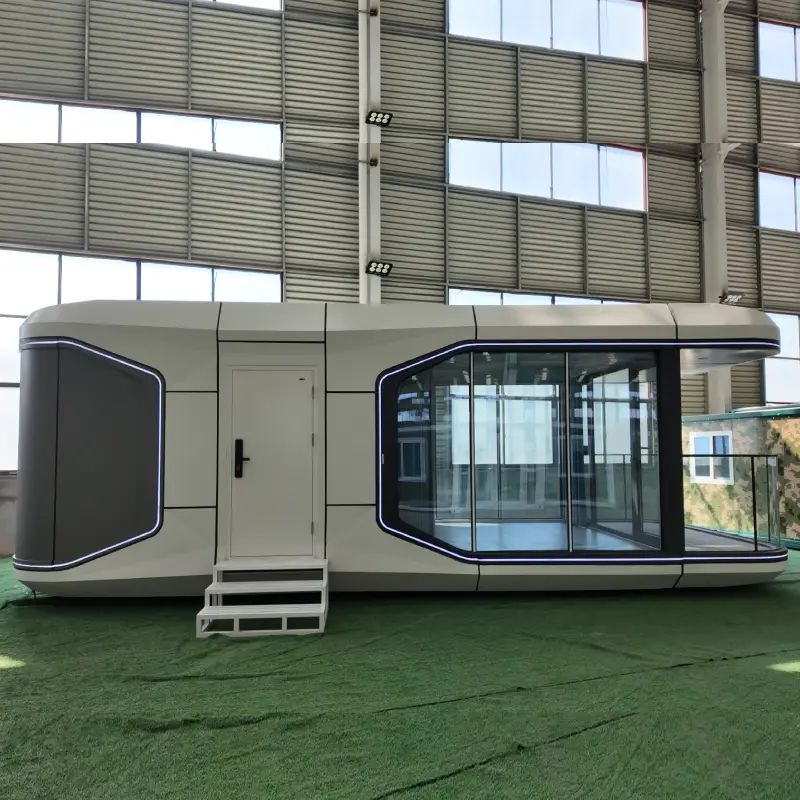
Containerhäuser, die aus alten Seecontainern hergestellt werden, verändern die Art und Weise, wie wir sowohl temporäre Unterkünfte als auch dauerhafte Gebäude errichten. Diese vorgefertigten Gebäude verfügen über klappbare Seitenwände und Standardgrößen, die sich beim Transport platzsparend ineinanderfügen lassen – so passen drei bis fünf Einheiten dort, wo sonst nur ein herkömmlicher Container Platz findet. Diese intelligente Verpackung senkt die Versandkosten um rund 40 Prozent und beschleunigt den Bau erheblich im Vergleich zu traditionellen Methoden. Was diese Gebäude von konventionellen Bauweisen unterscheidet, ist ihre außergewöhnliche Skalierbarkeit: Ein Projekt kann horizontal durch das Verbinden weiterer Container erweitert oder bei Bedarf vertikal gestapelt werden; Sicherheitszertifikate erlauben sogar Türme mit bis zu acht Geschossen. Laut einer jüngsten Studie des Modular Building Institute aus dem Jahr 2023 waren auf Baustellen, die diese Methode nutzten, rund 42 Prozent weniger Arbeiter vor Ort erforderlich als bei anderen modularen Ansätzen; zudem lagen die Kosten für die Geländefreimachung etwa 30 Prozent niedriger, da weniger Aushubarbeiten oder Rodungsarbeiten notwendig waren. Diese hohe Flexibilität ermöglicht es Planern, rasch auf Veränderungen der Belegschaft oder Budgetverschiebungen zu reagieren – stets unter Gewährleistung der Stabilität und Sicherheit der Gebäude.
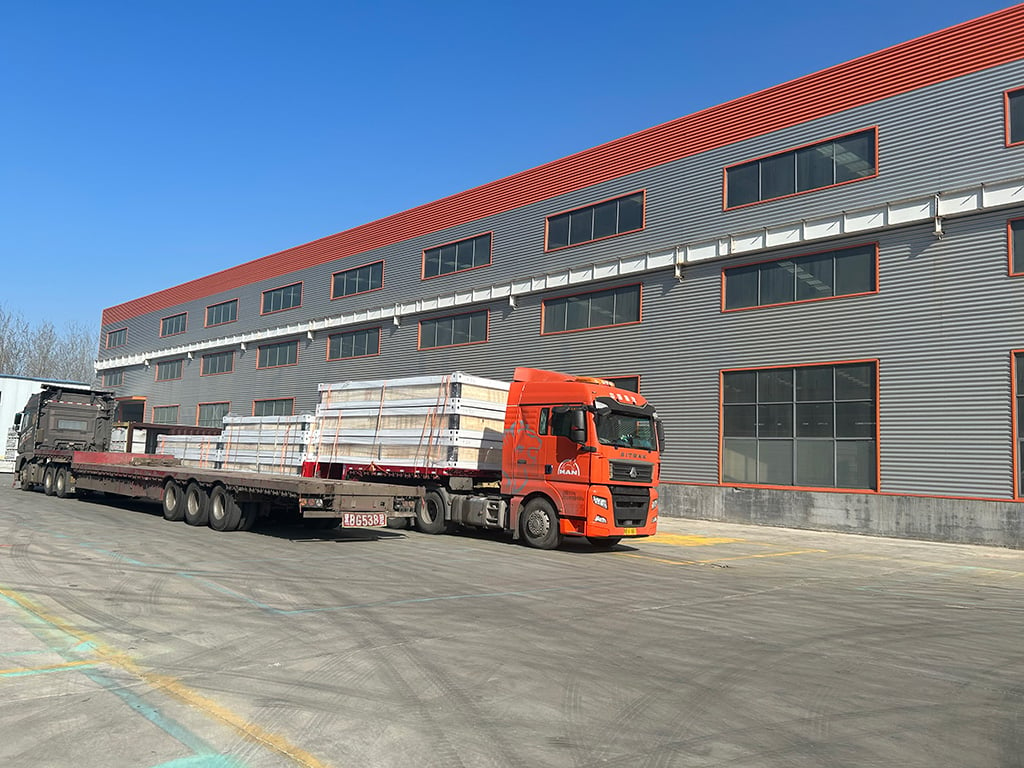
Bulk-Pack-Containerhäuser optimieren die Logistik bei Großprojekten durch die Nutzung standardisierter Abmessungen und stapelbarer Konfigurationen. Ihre integrierten Hebepunkte und Eckgussstücke sind mit weltweit verbreiteten Umschlaggeräten kompatibel, was die Hafenoperationen beschleunigt und den Zwischenumschlag im Vergleich zu herkömmlichen modularen Liefermethoden um 55 % reduziert.
Durch geschachtelte Konstruktionen lassen sich mehrere Wohneinheiten in nur einem Standard-Seecontainer (TEU) zusammenfalten – dies spart deutlich mehr Platz als herkömmliche modulare Aufbauten jemals könnten. Wenn wir von zusammenklappbaren Seitenwänden und ineinandergreifenden Rahmenkonstruktionen sprechen, erhöht sich dadurch die nutzbare Ladekapazität der Container um etwa 40 % bis hin zu möglichen 60 %. Das bedeutet, dass die meisten Komponenten nicht mehr weltweit per Flugzeug transportiert werden müssen; insgesamt reduzieren sich die Versandmengen um rund ein Drittel. Allein die Frachtkosteneinsparungen sind beeindruckend – ganz zu schweigen von den erheblichen Einschnitten bei den CO₂-Emissionen. Zudem bleiben die einzelnen strukturellen Komponenten beim kompakten Transport optimal geschützt. Praxiserprobungen zeigen, dass die Schadensquote unter 1,5 % liegt – ein Wert, der laut Feldberichten von Logistikunternehmen, die dieses Verfahren bereits getestet haben, die meisten anderen Methoden deutlich übertrifft.
Wenn Materialien in umgekehrter Reihenfolge geladen werden, befindet sich die zuerst benötigte Komponente tatsächlich am unteren Ende des Transportstapels. Dadurch können Montageteams die Komponenten sofort verbauen, ohne zusätzliche Lagerkapazitäten vor Ort bereitstellen oder Materialien zu einem späteren Zeitpunkt umlagern zu müssen. Für Projekte mit begrenztem Platzangebot oder engen Terminvorgaben macht dieser Ansatz den entscheidenden Unterschied. Denken Sie beispielsweise an abgelegene Bergbauprojekte im Norden der Arktis, wo Lkw den Bauplatz jeweils nur weniger als drei Monate pro Jahr erreichen können. Durch die Integration von GPS-Tracking in Cloud-Systeme bleiben Sendungen stets mit dem Projektzeitplan synchronisiert. Unternehmen berichten über Einsparungen von rund 38 % bei den Personalkosten, da die Beschäftigten nicht auf fehlende Teile warten müssen. Und falls schlechtes Wetter eintritt, werden die Transportrouten sofort anhand der aktuellen Bedingungen angepasst – statt sich an veraltete Pläne zu halten. Besonders beeindruckend ist, wie dieses System die für die vorübergehende Lagerung benötigte Fläche reduziert, während gleichzeitig bei Projekten mit hohem Zeitdruck die Lieferziele in rund 99 von 100 Fällen erreicht werden.
Containerwohnungen in Großpackungen senken den Arbeitsaufwand vor Ort durch vormontierte Komponenten in der Fabrik. Eine branchenweite Analyse bestätigt eine Reduzierung der Montagestunden um 42 % gegenüber konventionellen modularen Bauweisen (Construction Efficiency Review 2023). Diese Effizienz beruht auf drei zentralen Innovationen:
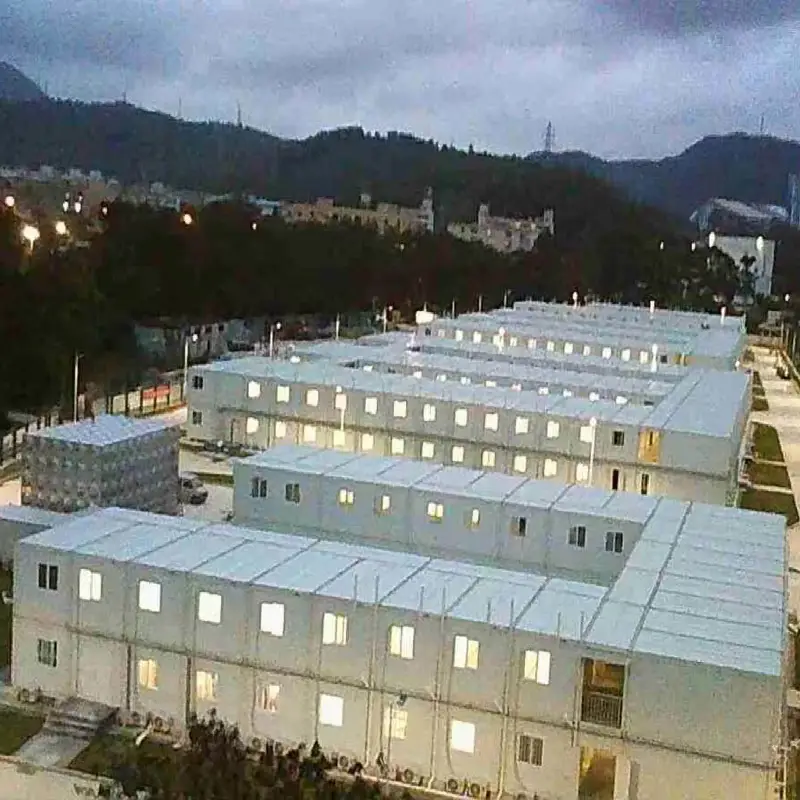
Die Einsparungen beim Arbeitsaufwand beschleunigen die Bereitstellungszeiten um 30–50 % und minimieren gleichzeitig Störungen vor Ort. Projekte erfordern kleinere Baustellenteams für kürzere Zeiträume – was Lärm, Verkehrsaufkommen und Sicherheitsrisiken reduziert. Bei einem Bergwerkscamp wurde die Errichtung von 240 Einheiten in 11 Wochen statt in 26 Wochen abgeschlossen, wobei die Zahl der täglichen Arbeiter um 68 % gesenkt werden konnte.
Dieser Ansatz senkt zudem sekundäre Kosten:
Durch die Verlagerung der Komplexität in die Werkstatt verwandelt modulare Containerwohnungen teure, schwer kalkulierbare Faktoren in vorhersehbare Fabrikprozesse. Die optimierte Installationsabfolge ermöglicht es Projekten, ehrgeizige Termine einzuhalten, ohne Kompromisse bei der Qualität einzugehen – insbesondere wertvoll bei Standorten in abgelegenen Regionen oder in stark regulierten Umgebungen.
Große Bauprojekte stoßen immer wieder auf logistische Probleme wie verspätete Lieferungen und fehlende Lagerartikel, die Zeitpläne durcheinanderbringen und Budgets schmälern. Der beste Weg, diese Risiken zu bewältigen? Drei zentrale Ansätze ergänzen sich hier besonders gut. Erstens ermöglichen digitale Planungstools den Teams eine präzisere Routenplanung und bessere Ressourcenallokation mithilfe von 3D-Modellen der Baustelle. Zweitens reduziert die zentrale Erfassung des Lagerbestands – etwa mittels RFID-Tags – Materialengpässe um rund 30 %, wie aktuelle Studien des Fachmagazins „Construction Innovation“ zeigen. Und drittens helfen kleine Vorversuche vor dem Vollstart, Probleme frühzeitig zu erkennen. Diese kombinierten Strategien verwandeln unvorhersehbare Situationen in etwas, das sich zunehmend wie ein Routinebetrieb anfühlt – was insbesondere bei abgelegenen Standorten oder bei engen Fristen von großer Bedeutung ist, wo traditionelle Methoden einfach nicht mehr ausreichen.
Der Bergbaubetrieb in der Pilbara-Westaustralien benötigte dringend Unterkünfte für rund 240 Mitarbeiter während jener brutalen Sommermonate, in denen die Temperaturen 45 Grad Celsius erreichten und die Lieferung von Materialien aufgrund der schlechten Straßenverhältnisse ein Albtraum war. Der Einsatz herkömmlicher vorgefertigter Module kam nicht infrage, da diese etwa 14 Wochen vom Bestellzeitpunkt bis zur Aufstellung benötigt hätten. Stattdessen entschied sich das Team für schiffbare Container als Wohnlösungen. Diese Container konnten flach verpackt ineinander gestellt werden und ermöglichten so etwa 40 Prozent mehr Wohnfläche pro Standard-Container-Ladung. Vorab wurden digitale Simulationsmodelle erstellt, um den schnellsten Montageweg vor Ort zu ermitteln. Alle Komponenten waren mit Barcodes gekennzeichnet, sodass nichts während des Transports verloren ging; dadurch trafen die Materialien genau dann ein, wenn sie für jede Bauphase benötigt wurden.
Das Ergebnis: Die Inbetriebnahme wurde innerhalb von 4,5 Wochen ohne wetterbedingte Verzögerungen abgeschlossen. Dieser Ansatz beschleunigte nicht nur die Zeitpläne, sondern senkte auch den Kraftstoffverbrauch um 28 Tonnen durch optimierte Ladekapazitäten – ein Beleg dafür, wie integrierte digitale und physische Systeme komplexe Logistikketten entlasten.
 Aktuelle Nachrichten
2025-04-23
2025-04-16
2025-04-02
2025-06-17
2025-06-18
2026-02-05

Copyright © 2025 by Jinan Xinouda Import & Export Co., Ltd. - DATENSCHUTZRICHTLINIE

 EN
EN