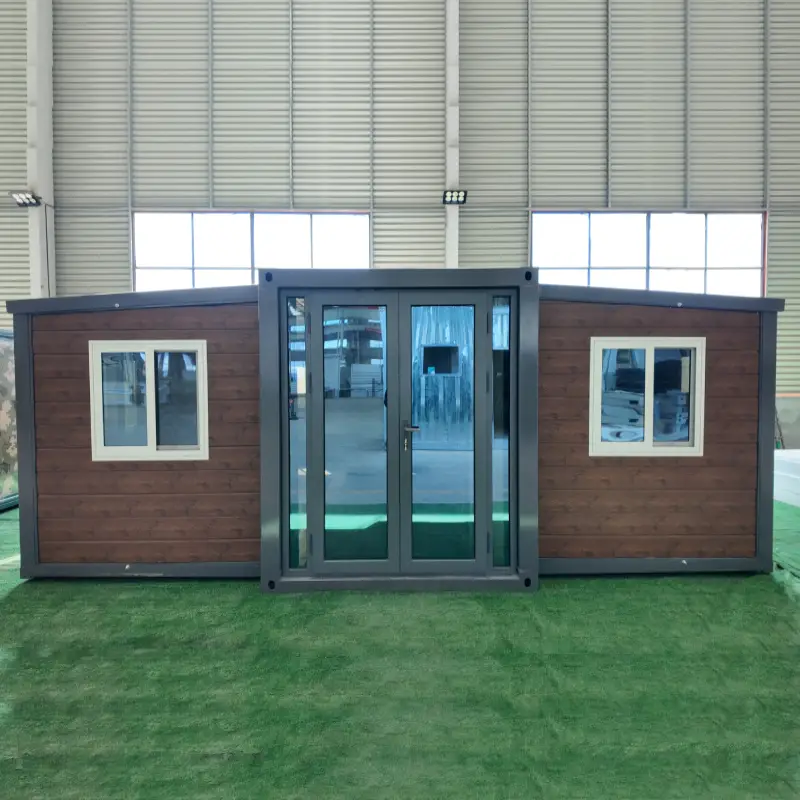
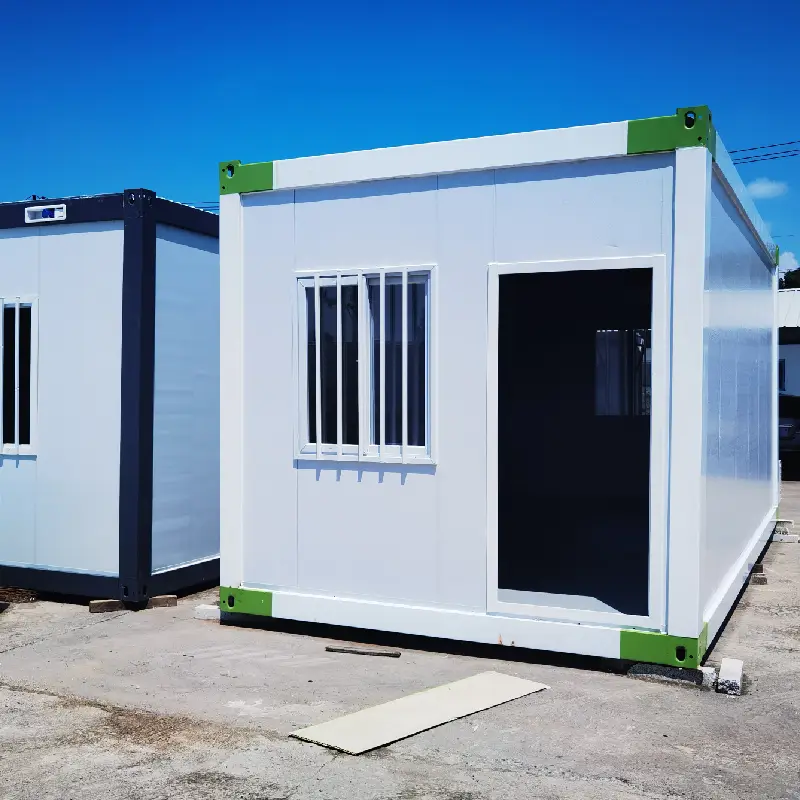
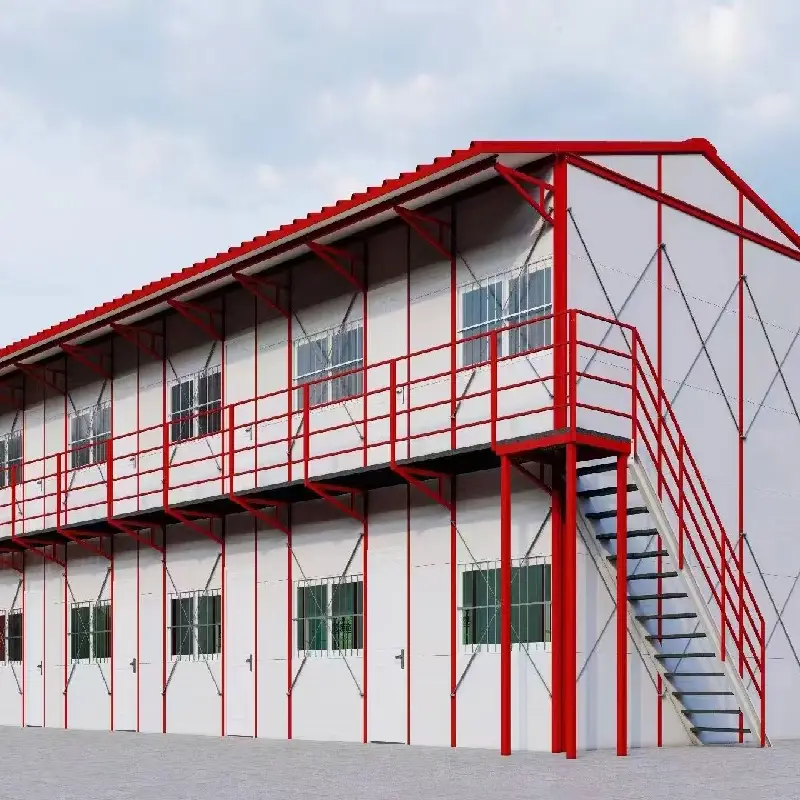
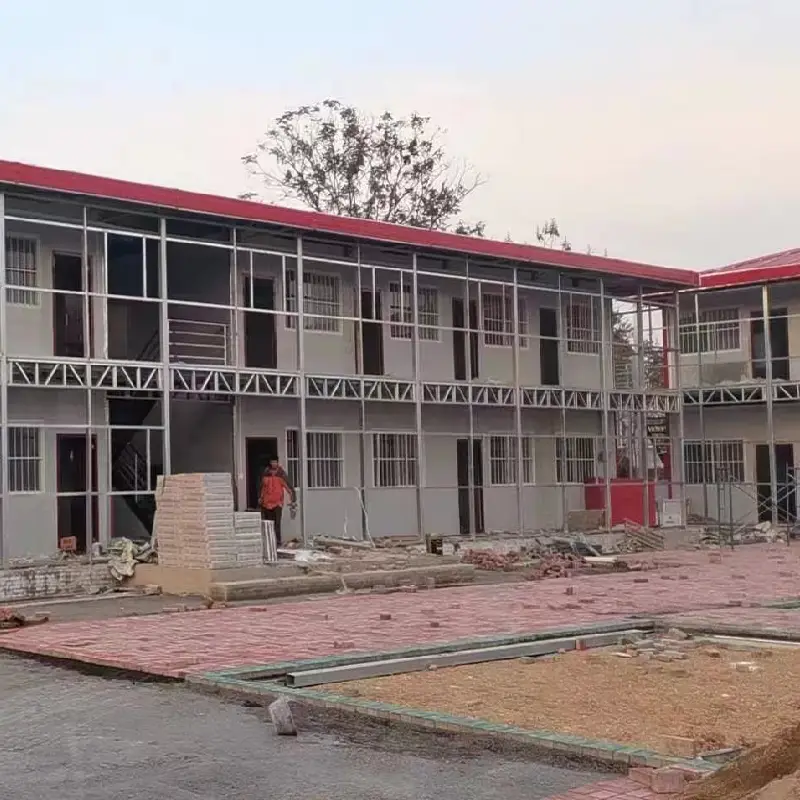
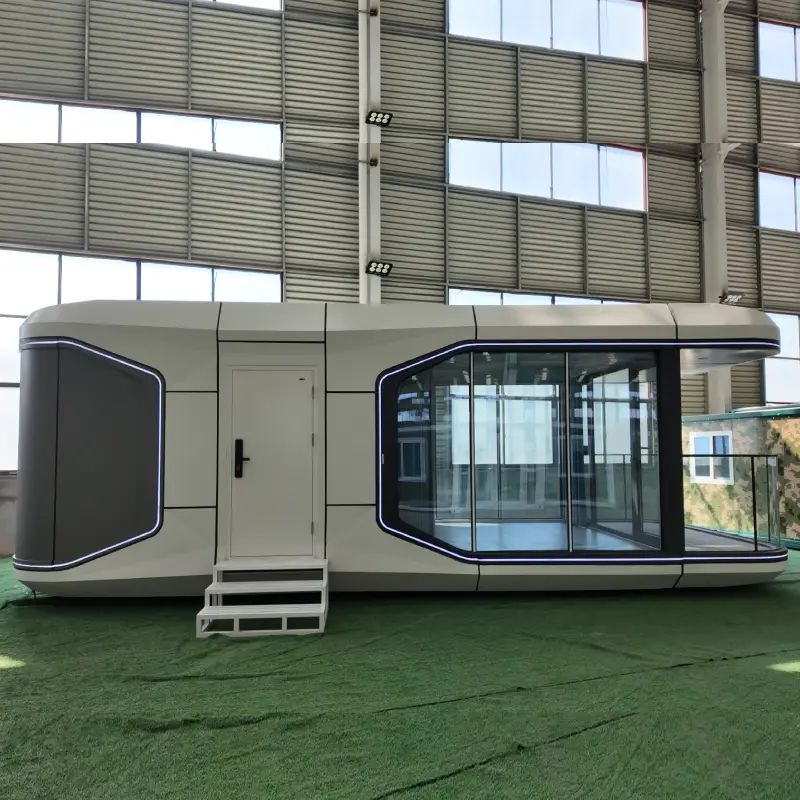
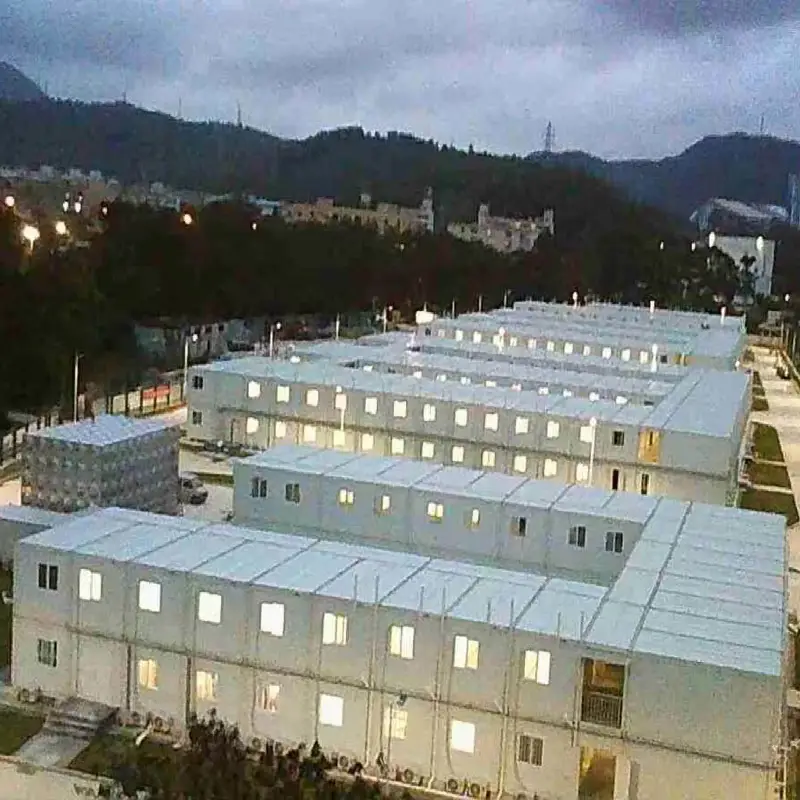
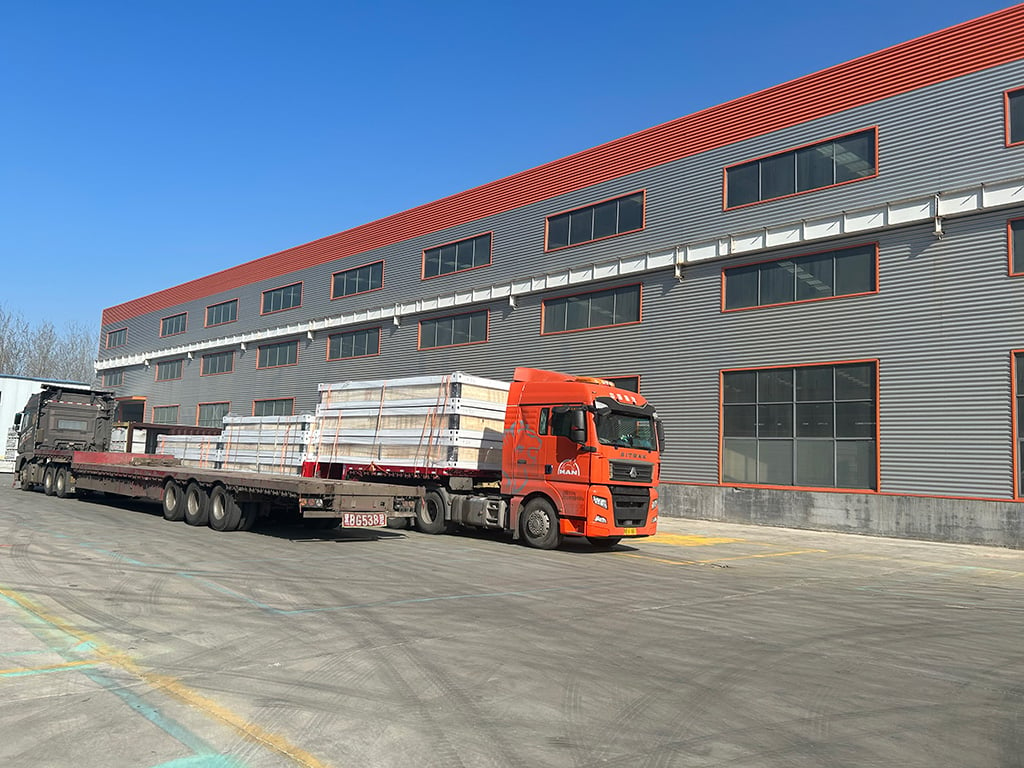
Gli alloggi realizzati utilizzando vecchi container marittimi stanno rivoluzionando il modo in cui costruiamo sia strutture temporanee che edifici permanenti. Questi edifici prefabbricati presentano fiancate pieghevoli e dimensioni standardizzate che si incastrano perfettamente durante il trasporto, consentendo di caricare da tre a cinque unità nello spazio normalmente occupato da un singolo container standard. Questo intelligente sistema di imballaggio riduce i costi di spedizione di circa il 40% e accelera notevolmente i tempi di costruzione rispetto ai metodi tradizionali. Ciò che distingue queste soluzioni dagli edifici convenzionali è la loro straordinaria flessibilità in termini di espansione o ridimensionamento. Un progetto può ampliarsi orizzontalmente collegando ulteriori container tra loro oppure svilupparsi verticalmente sovrapponendoli, con certificazioni di sicurezza che ne consentono l’impiego fino a torri di otto piani. Secondo una recente ricerca del Modular Building Institute del 2023, i cantieri che hanno adottato questo metodo hanno richiesto circa il 42% in meno di personale in loco rispetto ad altri approcci modulari, mentre i costi per la preparazione del terreno sono risultati inferiori di circa il 30%, grazie alla minore necessità di scavi o di bonifica del sito. Tutta questa adattabilità consente ai progettisti di reagire tempestivamente a variazioni della forza lavoro o a modifiche dei budget, mantenendo nel contempo la solidità e la sicurezza degli edifici.
L'edilizia container in confezione sfusa ottimizza la logistica per progetti su larga scala sfruttando dimensioni standardizzate e configurazioni impilabili. I suoi punti di sollevamento integrati e i ganci angolari sono compatibili con le attrezzature di movimentazione globali, accelerando le operazioni portuali e riducendo del 55% le manipolazioni intermedie rispetto ai tradizionali metodi di consegna modulare.
I design nidificati consentono a diverse unità abitative di ripiegarsi in un singolo container standard (TEU), risparmiando molto più spazio rispetto alle tradizionali configurazioni modulari. Quando parliamo di fiancate richiudibili e di sistemi di telai interbloccanti, questi aumentano effettivamente la capacità di carico all’interno dei container del 40% fino anche al 60%. Ciò significa che non è più necessario spedire la maggior parte dei componenti via aerea in tutto il mondo e che il numero complessivo di spedizioni si riduce di circa un terzo. I risparmi sui costi di trasporto sono davvero notevoli, senza contare la consistente riduzione delle emissioni di CO₂. Inoltre, quando tutti gli elementi sono imballati in modo compatto come questo, i componenti strutturali rimangono protetti per tutta la durata del trasporto. Test sul campo dimostrano che il tasso di danneggiamento rimane inferiore all’1,5%, superando ampiamente la maggior parte degli altri metodi secondo le relazioni operative fornite da aziende logistiche che lo hanno sperimentato.
Quando i materiali vengono caricati in ordine inverso, il componente necessario per primo si trova effettivamente in fondo alla pila di trasporto. Ciò significa che le squadre possono installare subito i componenti, senza dover immagazzinare ulteriori materiali sul posto né spostare successivamente gli oggetti. Per le operazioni che devono fare i conti con vincoli di spazio o scadenze stringenti, questo approccio fa tutta la differenza. Si pensi, ad esempio, alle operazioni minerarie remote nell’Artico settentrionale, dove i camion possono raggiungere il cantiere per meno di tre mesi all’anno. Grazie all’integrazione del tracciamento GPS nei sistemi cloud, le spedizioni restano perfettamente allineate con il cronoprogramma del progetto. Le aziende riferiscono un risparmio pari a circa il 38% sui costi del lavoro, poiché gli operatori non devono più attendere l’arrivo dei pezzi. In caso di maltempo, i percorsi vengono invece aggiustati istantaneamente in base alle condizioni attuali, anziché attenersi a piani obsoleti. Ciò che impressiona davvero è come questo sistema riduca lo spazio necessario per lo stoccaggio temporaneo, pur consentendo di rispettare gli obiettivi di consegna circa 99 volte su 100 nei progetti caratterizzati da tempistiche estremamente serrate.
Le unità abitative trasportate in container con imballaggio sfuso riducono drasticamente le esigenze di manodopera in cantiere sfruttando il preassemblaggio controllato in fabbrica. Un’analisi del settore conferma una riduzione del 42% delle ore di montaggio rispetto ai tradizionali edifici modulari (Construction Efficiency Review 2023). Questa efficienza deriva da tre innovazioni chiave:
I risparmi di manodopera accelerano i tempi di distribuzione del 30–50%, riducendo al contempo la perturbazione in cantiere. I progetti richiedono squadre più piccole e per periodi più brevi, con conseguente riduzione di rumore, traffico e rischi per la sicurezza. In un campo minerario, la distribuzione di 240 unità è stata completata in 11 settimane invece che in 26, con il 68% in meno di lavoratori giornalieri.
Questo approccio riduce anche le spese secondarie:
Spostando la complessità fuori dal cantiere, l’edilizia abitativa con container preconfezionati trasforma variabili ad alto costo in processi industriali prevedibili. La sequenza semplificata di installazione consente ai progetti di rispettare scadenze ambiziose senza compromettere la qualità — un vantaggio particolarmente significativo in località remote o in ambienti soggetti a regolamentazioni stringenti.
I grandi cantieri edili incontrano sempre problemi logistici, come spedizioni ritardate e mancanza di articoli di inventario, che compromettono i tempi di consegna e incidono sui budget. Qual è il modo migliore per gestire questi rischi? Tre approcci principali funzionano bene in sinergia. Innanzitutto, gli strumenti digitali di pianificazione consentono ai team di mappare percorsi e allocare risorse in modo più efficace, utilizzando modelli 3D del cantiere. In secondo luogo, il monitoraggio dell’inventario in un unico sistema centralizzato, dotato di tag RFID, riduce le carenze di materiali di circa il 30%, secondo recenti studi pubblicati da Construction Innovation. Infine, l’esecuzione di test su piccola scala prima di procedere con il lancio completo permette di individuare tempestivamente eventuali problemi. Queste strategie combinate trasformano situazioni imprevedibili in operazioni più simili a quelle routinarie — un aspetto particolarmente rilevante in località remote o quando i tempi di consegna sono stretti e i metodi tradizionali non sono più adeguati.
L'operazione mineraria nella regione pilbara dell'Australia Occidentale necessitava di alloggi d'emergenza per circa 240 membri del personale durante quei rigidi mesi estivi, quando le temperature raggiungevano i 45 gradi Celsius e il trasporto delle forniture era un vero incubo a causa delle pessime condizioni stradali. L'impiego di moduli prefabbricati standard non era una soluzione praticabile, poiché il tempo necessario dall'ordine alla messa in opera sarebbe stato di circa 14 settimane. Il team ha invece optato per container da spedizione impiegati come soluzioni abitative, imballati in blocco. Questi container potevano essere accoppiati tra loro in configurazioni flat-pack, consentendo di ricavare circa il 40% in più di spazi abitativi per ogni carico standard di container da spedizione. Prima dell’installazione, sono stati eseguiti modelli di simulazione digitale per determinare il metodo più rapido di assemblaggio in cantiere. Tutti i componenti erano contrassegnati con codici a barre, in modo da evitare qualsiasi smarrimento durante il trasporto e garantire che i materiali arrivassero esattamente nel momento richiesto per ciascuna fase della costruzione.
Il risultato: il deployment è stato completato in 4,5 settimane senza alcun ritardo legato alle condizioni meteorologiche. Questo approccio non solo ha accelerato i tempi di consegna, ma ha anche ridotto i consumi di carburante di 28 tonnellate grazie a carichi di spedizione ottimizzati, dimostrando come sistemi integrati digitali-fisici riducano i rischi lungo catene logistiche complesse.
 Notizie in primo piano
2025-04-23
2025-04-16
2025-04-02
2025-06-17
2025-06-18
2026-02-05

Copyright © 2025 by Jinan Xinouda Import & Export Co., Ltd. - Informativa sulla privacy

 EN
EN