
 EN
EN
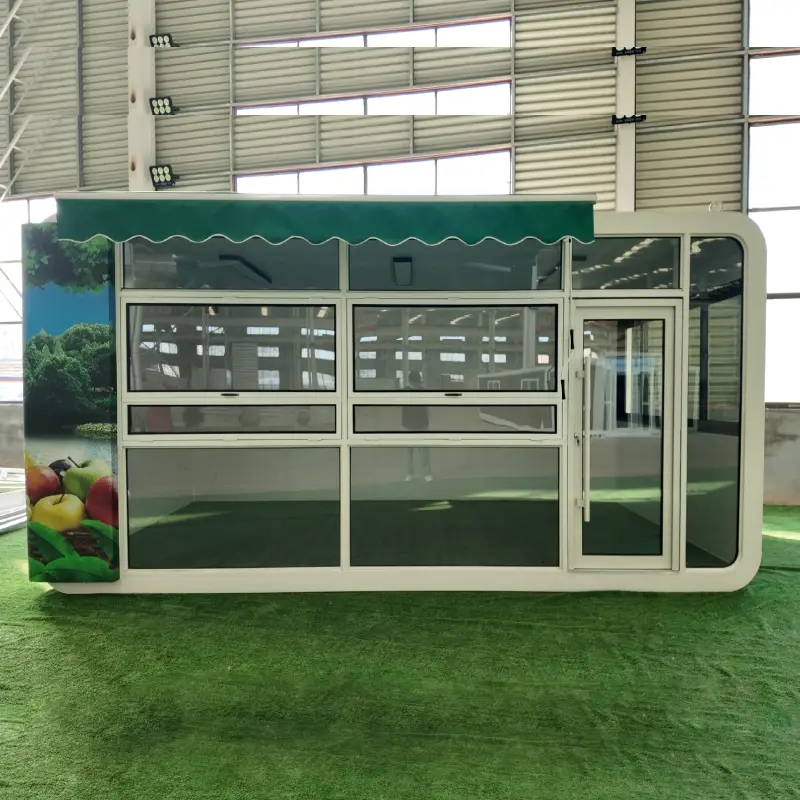
Flexibility and Mobility: Enabling Rapid Deployment Across Remote and Changing Sites
The relocatable design of movable prefabricated container houses enables dynamic camp operations by allowing structures to be quickly deployed, relocated, or reconfigured as project demands shift. Engineered for crane lifting and flatbed transport, these modular units minimize on-site labor and accelerate mobilization—even in remote or logistically complex environments.
How the relocatable design of movable prefabricated container houses supports dynamic camp operations
Container based structures give operators the flexibility they need when situations change unexpectedly. When projects grow bigger or whole camps need to move to track where resources are being extracted, these modular units make it possible without major headaches. The mining sector knows this well, as do construction crews working on tight deadlines and emergency responders dealing with constantly shifting conditions after disasters strike. Most importantly, these containers come in standard sizes that work with all the shipping networks around the world. That means moving them from production facilities straight to wherever they're needed happens smoothly most of the time, which saves both money and valuable time on site.
Case Study: Streamlined logistics in Australian mining camps using modular container housing
Mining firms operating out in the wilds of Western Australia have cut down on setting up camps by around half when they switched to those modular container homes. These portable units can be moved wherever the mining work goes next, so workers don't have to travel miles each day just to get to their accommodation. Safety gets better too because people aren't stuck driving through rough terrain anymore. From a business standpoint, it makes sense for companies looking at their bottom line since moving these containers saves money on transport and also means less damage to the local environment compared to building permanent structures.
Trend: Increasing adoption in disaster relief for portable, stackable, and transportable shelters
More and more aid groups are turning to those portable container homes when responding to emergencies because they can be moved around easily and set up quickly. The way these containers stack on top of each other makes them ideal for crowded city areas hit by disasters, and since they're so easy to transport, relief workers can get them into remote locations that might otherwise be hard to reach. We've seen this work well in practice too - last year some containers were flown into affected regions and had people living in them safely just two days later. This kind of fast deployment really matters in those first few crucial days after a disaster strikes when people need somewhere safe to stay immediately.
Strategy: Optimizing site transitions with crane-friendly, modular mobility
If camps want to stay mobile, their layout needs to be planned right at the start with relocation in mind. Important factors are making sure there's enough space between modules so cranes can get around them, having consistent connections for utilities everywhere, and keeping good records about each module so they can be taken apart quickly when needed. When companies build mobility into their plans from day one, they save time moving from one location to another, need fewer machines on hand, and spend less money overall. This approach keeps operations running smoothly even as conditions change from site to site.
Rapid Construction: Accelerating Camp Setup with Off-Site Prefabrication
Why speed matters: Meeting urgent shelter needs in emergency and humanitarian contexts
When disasters strike or humanitarian crises unfold, getting shelters up quickly becomes absolutely critical. That's where movable prefabricated container homes come into play. These structures are built elsewhere first, so they can be assembled rapidly at the site whenever regular building isn't feasible. According to industry reports, construction times drop dramatically with these container systems compared to standard approaches, sometimes cutting down project duration by around half. This speed makes all the difference during emergencies, since having proper shelter available soon after a crisis hits often determines whether people stay safe or face additional risks during recovery efforts.
Principle: Faster on-site assembly with minimal labor due to factory-built modules
Around 80 percent of all construction work actually happens inside factories these days. That's where they install everything from wiring to pipes and heating systems before anything gets shipped out. When these complete building blocks arrive at the site, they're basically plug-and-play. This cuts down on how many workers need to be onsite and means no more waiting around for bad weather to pass. Some research into modular building methods shows that these prefabricated sections can start working within just three days flat. Think about setting up temporary camps in remote areas or places with tough terrain. Instead of weeks of waiting, crews can have functional spaces up and running almost overnight.
Case Study: Full refugee camp deployment within 72 hours after Nepal earthquake
When the massive 2015 earthquake hit Nepal, aid workers managed to set up an entire refugee camp within three days using those shipping containers converted into living spaces. They barely needed to prepare the land at all before installing these ready-made housing units which gave shelter to hundreds of families who had lost everything. The speed of this operation showed just how effective modular construction from factories can be when delivering critical infrastructure during disasters. These container homes weren't just temporary fixes either they actually saved lives by providing safe places to sleep while longer term solutions were being worked out.
Strategy: Reducing project timelines by integrating rapid construction with mobility
When looking at what works best, combining quick setup with the ability to move things around later makes a lot of sense. Companies that build structures meant to go up fast and still be portable end up finishing projects anywhere from 40 to 60 percent quicker than traditional methods. Plus they keep all their options open if they need to grow operations, scale back, or just pack everything up and move somewhere else. For those working with temporary field camps where conditions change constantly, this kind of thinking pays off big time. What gets deployed quickly now won't leave teams stuck when circumstances shift down the road.
Durability and Resilience: Withstanding Harsh Environments from Deserts to Arctic Zones
Prefabricated container homes hold up pretty well in some seriously tough climates. Think about those Siberian oil fields where temperatures can drop below -40 degrees Celsius, or desert mining operations baking under relentless sun. The secret lies in their strong steel frames and smart weatherproofing techniques. These containers handle everything from brutal temperature changes to hurricane-force winds and places where salt air eats away at regular buildings. What really makes them last longer? Special coatings that fight rust and different insulation approaches depending on location. Arctic versions get heavy duty thermal barriers while desert models have reflective surfaces and ventilation systems to keep things cool inside. All these features mean people can live comfortably even when outside conditions are absolutely miserable. That's why construction crews across the globe rely on container housing for their temporary field stations, no matter how harsh the local environment happens to be.
Cost-Effectiveness: Lowering Investment and Operational Costs for Temporary Camps
Affordable Shelter Solutions Through Recycled Containers and Mass Production
The main money saving comes from repurposing old shipping containers combined with bulk production methods. These secondhand containers actually last longer and cost around half what regular building materials would run (according to some industry reports from last year). When manufacturers stick to standard designs, they cut down on wasted materials and save on labor too, which is why many companies choose them for temporary worker housing when budgets are tight. Plus, since these containers don't fall apart easily, there's less need for repairs over time. Think about construction sites where equipment gets damaged all the time - these containers just keep going without breaking down.
Case Study: Achieving 40% Cost Savings in Jordan's Refugee Camp Developments
Refugee camps in Jordan have seen some impressive results from projects that repurpose shipping containers into housing units. These container homes save around 40 percent on costs when compared to traditional temporary shelters for displaced people. The approach works because it takes advantage of used containers that would otherwise go to waste, along with standard design templates that cut down on customization needs. This not only brings down upfront spending but also keeps maintenance bills low over time. Plus, these containers are built to last longer and consume less energy than most alternatives. As a result, organizations working in crisis zones now have a proven model for creating durable, budget-friendly living spaces without breaking the bank or harming the environment.
Trend: Growing Shift Toward Economical, Long-Term Temporary Housing in NGO and Government Projects
More and more NGOs along with government bodies have started turning to container homes when dealing with situations where people need shelter for extended periods. The main reason? They want to meet urgent needs without breaking the bank. Container housing actually costs less at first compared to traditional options, and it keeps running costs down year after year. That's why many see these repurposed shipping containers as perfect solutions for what should be temporary but often lasts much longer than expected. Plus, since they come in modules, groups can start small and expand gradually as needed. This approach lets organizations match their budget with whatever happens next in their programs, rather than locking money away for something that might change direction suddenly.
Customization and Scalability: Adapting Movable Prefabricated Container Houses to Diverse Camp Needs
Modular design advantages for military, workforce, and field operation housing
Container houses built with modular designs offer all sorts of configuration options that work great for military deployments, temporary worker housing, and various field operations. These units aren't fixed in place either they can expand when needed, shrink down when space is tight, or connect together through sliding rails or hydraulic mechanisms. We've seen them transform into everything from emergency command posts to mobile clinics and even temporary barracks overnight. The real value comes when missions change suddenly and teams need different spaces at a moment's notice something that happens way more often than people realize on the ground.
Case Study: Expandable container units deployed in Middle East military base camps
During recent operations in the Middle East, military forces used expandable container units to set up a complete base camp from scratch in just three days flat. These special containers can mechanically expand their interior space by around 40 percent over regular shipping containers. Military planners arranged them into connected living quarters, command centers, and even temporary medical stations. Getting these units on site cut down transportation needs by approximately 30%, which saved time and resources. Soldiers actually reported better sleeping conditions and overall morale improvements too. This real world application shows why these kinds of containers are becoming so popular for battlefield logistics - they offer flexibility without sacrificing security when setting up bases in unpredictable environments.
Strategy: Scaling capacity seamlessly with interconnected and customizable modules
Effective scaling relies on standardized yet flexible design principles. Key components include:
- Standardized coupling systems for secure, versatile module connections
- Pre-configured utility interfaces to simplify electrical, water, and sanitation hookups during expansion
- Adaptable interior partitions that allow functional reconfiguration without structural changes
This framework enables camps to grow incrementally or expand rapidly with minimal disruption. Whether adding single units or entire blocks, modular interconnectivity ensures operational continuityâ€"making prefabricated container houses a practical, future-ready solution for evolving camp needs.
FAQ
1. What are the benefits of using prefabricated container houses in remote sites?
Prefabricated container houses offer benefits such as rapid deployment, relocatability, flexibility to reconfigure according to changing needs, and reduction of on-site labor, which makes them ideal for remote and logistically challenging environments.
2. How do modular container houses support disaster relief efforts?
Modular container houses are portable, stackable, and easy to transport, making them perfect for disaster relief. They can be quickly moved to affected areas and set up as shelters within just a couple of days.
3. Why is off-site prefabrication important in emergency situations?
Off-site prefabrication allows for quick assembly of shelter structures on-site during emergencies when time is crucial. This reduces the setup time significantly, often around half compared to traditional construction methods.
4. How do prefabricated container houses withstand harsh climates?
These container houses are built with strong steel frames and advanced weatherproofing techniques like special coatings and insulation tailored to specific climates, enabling them to endure extreme temperatures and conditions.
5. Are prefabricated containers cost-effective for temporary housing?
Yes, these containers are cost-effective due to the use of recycled materials, standard designs, and modular construction, which reduce initial costs and ongoing maintenance expenses while also being adaptable to varying needs.
Table of Contents
-
Flexibility and Mobility: Enabling Rapid Deployment Across Remote and Changing Sites
- How the relocatable design of movable prefabricated container houses supports dynamic camp operations
- Case Study: Streamlined logistics in Australian mining camps using modular container housing
- Trend: Increasing adoption in disaster relief for portable, stackable, and transportable shelters
- Strategy: Optimizing site transitions with crane-friendly, modular mobility
-
Rapid Construction: Accelerating Camp Setup with Off-Site Prefabrication
- Why speed matters: Meeting urgent shelter needs in emergency and humanitarian contexts
- Principle: Faster on-site assembly with minimal labor due to factory-built modules
- Case Study: Full refugee camp deployment within 72 hours after Nepal earthquake
- Strategy: Reducing project timelines by integrating rapid construction with mobility
- Durability and Resilience: Withstanding Harsh Environments from Deserts to Arctic Zones
- Cost-Effectiveness: Lowering Investment and Operational Costs for Temporary Camps
-
Customization and Scalability: Adapting Movable Prefabricated Container Houses to Diverse Camp Needs
- Modular design advantages for military, workforce, and field operation housing
- Case Study: Expandable container units deployed in Middle East military base camps
- Strategy: Scaling capacity seamlessly with interconnected and customizable modules
- FAQ
- 1. What are the benefits of using prefabricated container houses in remote sites?
- 2. How do modular container houses support disaster relief efforts?
- 3. Why is off-site prefabrication important in emergency situations?
- 4. How do prefabricated container houses withstand harsh climates?
- 5. Are prefabricated containers cost-effective for temporary housing?