
 EN
EN
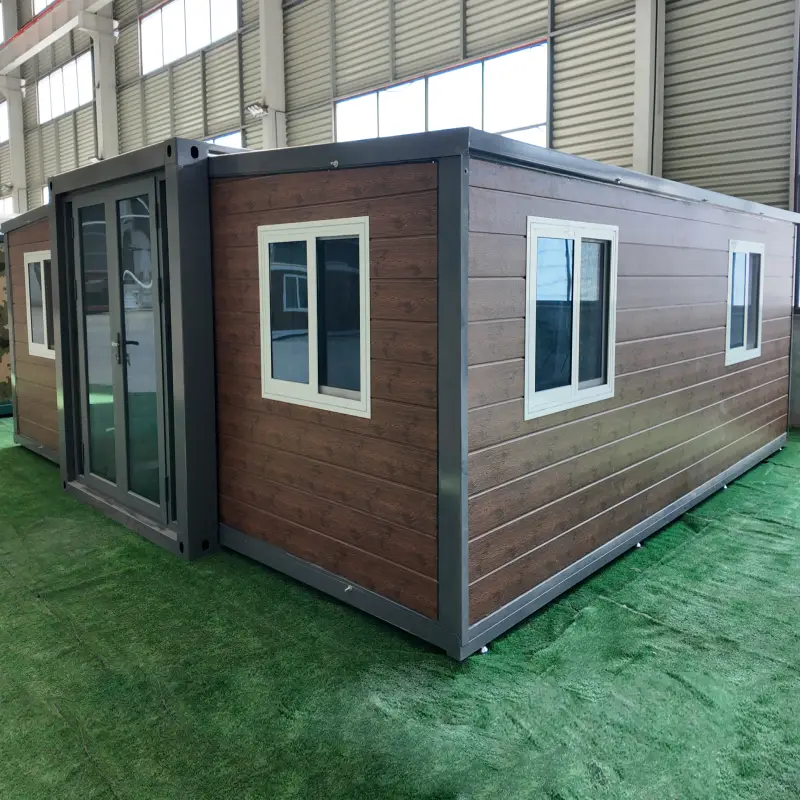
Fast and Efficient Construction with Modular Expandable Container Homes
Rising Demand for Rapid Housing Solutions
Global housing shortages and urgent disaster recovery needs are accelerating demand for rapid deployment solutions. Modular expandable container homes meet this need with construction timelines up to 60% faster than traditional methods, offering immediate occupancy for emergency shelters, workforce housing, and urban infill projects where speed is critical.
How Modular Design Enables Quick Deployment and Installation
Factory-based production allows up to 90% of construction to be completed off-site in controlled environments. Standardized components and pre-engineered connections enable crane-assisted installation of basic structures in under 48 hours, minimizing weather delays and reducing on-site labor requirements by approximately 70% compared to conventional building methods.
Case Study: Emergency Housing Deployment in Disaster-Stricken Areas
Following a 2023 hurricane, expandable container homes were deployed as temporary shelters within 72 hours of landfall. The pre-fabricated units featured integrated utilities and required only foundation preparation before occupancy, demonstrating an 80% faster deployment rate than traditional emergency housing solutions according to disaster relief coordination reports.
Trend: Growth in Prefabricated Construction and Just-in-Time Delivery
The modular construction market is projected to grow at 6.5% CAGR through 2028, driven by just-in-time manufacturing approaches that reduce inventory costs and enable rapid response to housing demands. This trend supports the scalability of container home production while maintaining quality control through standardized factory processes.
Strategy: Streamlining On-Site Assembly with Pre-Engineered Components
Leading manufacturers utilize patented connection systems and pre-finished interior modules that snap together with minimal tools. This approach reduces on-site construction time to mere hours rather than weeks, while eliminating construction waste by up to 50% through precise factory fabrication and material optimization.
Sustainability and Environmental Benefits of Modular Expandable Container Homes
Global Push Toward Sustainable Construction and Carbon Reduction
The global construction industry faces increasing pressure to adopt sustainable practices, with building operations and construction materials accounting for nearly 40% of annual CO2 emissions worldwide (UN Environment Programme 2022). Modular expandable container homes offer a low-impact alternative, leveraging controlled factory production to minimize waste and on-site disturbance.
Eco-Friendly Repurposing of Steel Containers in Modular Homes
Reusing shipping containers instead of letting them pile up as industrial waste offers real environmental benefits. Take a single steel container - when given a second life, it means recycling around 8,000 pounds worth of materials. That cuts down on all the energy normally needed to build something from scratch. The whole idea makes sense from a sustainability angle too. These tough containers get extended lifespans rather than being scrapped, which means less need for making new steel that guzzles so much carbon during production. For businesses looking at their environmental impact, this practical solution ticks multiple boxes at once.
Case Study: LEED-Certified Container Home Communities in Europe
Europe has been leading the way when it comes to making container homes sustainable, and plenty of these projects actually got their LEED certifications. Take this cool development in the Netherlands for instance. They built these modular container homes that expand as needed, and somehow managed to hit net zero energy consumption. How? Well, they stuck solar panels all over the place, used some pretty impressive insulation materials, and tapped into geothermal heating systems underground. Pretty amazing stuff really. What's even better is that during construction, they cut down on waste materials by almost half compared to regular building practices. And guess what? The air inside those homes is cleaner than what most people experience in traditional buildings these days.
Trend: Circular Economy Practices in Building Materials
Construction companies are starting to get serious about circular economy ideas these days, and look at those modular expandable container homes popping up everywhere they really showcase what can happen when we reuse materials instead of throwing them away. Industry reports point to around 35 percent more projects each year using recycled stuff for buildings, though exact numbers vary depending on who's counting. Container homes are definitely at the forefront of this trend though. What makes this approach so smart is that old shipping containers and other materials that might end up in landfills actually generate money for developers while reducing environmental impact. Some builders even report saving thousands by repurposing materials rather than buying new ones, which helps explain why more architects are getting creative with secondhand resources in their designs.
Strategy: Integrating Solar Panels and Rainwater Harvesting Systems
Today's container homes built in modular fashion often come with green tech already installed, including solar panels and water saving setups. Those flat metal tops make great spots for solar arrays, which usually generate enough juice to run most home appliances and lighting needs. Some research suggests that when solar is part of the package, these homes cut down on regular electricity use by around 75 to 80 percent each year. Add in rainwater collection tanks that gather and clean stormwater for things like flushing toilets and washing clothes, and the environmental footprint shrinks quite a bit. Homeowners also see their monthly bills drop substantially, making these eco-friendly options increasingly attractive despite initial setup costs.
Affordability and Cost-Effectiveness of Expandable Container Housing
Addressing the Global Housing Crisis with Low-Cost Solutions
The United Nations reports that over 1.6 billion folks around the globe don't have proper shelter these days, putting massive strain on what people can actually afford for housing in cities. Container homes offer a real solution to this problem since they cost way less to build compared to regular houses. We're talking about savings between 30 and 50 percent off standard construction prices. Why? Because these homes reuse old shipping containers and get built in factories ahead of time. This approach cuts down on materials needed and requires fewer workers onsite. The result is affordable, eco-friendly housing options that reach those most in need without breaking the bank for communities struggling with high living costs.
Achieving Affordability Through Economies of Scale in Modular Production
When companies go modular with their production setup, they can really cut costs over time. Standardizing how things get made and buying materials in bulk helps bring down what each product costs to make. Building stuff in factories instead of on location means no waiting around for bad weather to pass, which saves money on site workers too many places report saving around half their labor costs this way. Another big plus is being able to prep the actual installation spot at the same time as making the components themselves. This overlapping approach typically shaves several months off total completion time. Plus, since everything comes from the same controlled environment, quality stays pretty much the same from one unit to the next without those random inconsistencies that happen when different crews work on separate parts.
Case Study: Container-Based Affordable Housing in Urban Slums
In Southeast Asia recently, there was a project that put up around 200 expandable container homes costing roughly 40% less than standard building methods would require, giving shelter to more than 800 people who needed it badly. These containers came equipped with all necessary utilities built right in plus shared areas where neighbors could gather, yet each one still stayed under the $20k price tag for construction. What makes this even better is that they managed to cut down on construction waste by about 80%, something most builders dream about achieving. Plus the whole thing got finished half a year faster than normal timelines allow. This shows just how fast we can tackle housing problems when using these modular solutions, especially in cities packed full of people waiting for affordable places to live.
Trend: Public-Private Partnerships Funding Social Housing Projects
More and more public-private partnerships are getting behind social housing projects that use those expandable shipping containers we see everywhere these days. When governments team up with private companies, they can combine publicly owned land with manufacturers who know how to build things fast and cheap. Some recent projects show pretty impressive results too - about 30 percent quicker completion times and around 25 percent savings on total costs when compared to regular public housing programs. What makes this approach work so well is the modular design. Communities don't need to build everything at once. They can start small and keep adding units as money comes in, which means neighborhoods grow naturally without looking like an eyesore of mismatched buildings stuck together.
Flexibility, Customization, and Scalability in Modular Expandable Container Homes
Meeting Diverse Needs in Residential and Commercial Applications
Container homes that can be expanded and rearranged come with amazing flexibility. They work just as well for someone living alone as they do for big families across generations, plus they fit right into commercial needs such as pop up shops or office spaces when needed. The way these containers are built lets people change how rooms look inside. Just move walls around or stack extra containers on top and bottom, which means turning a small 160 square foot space into something with two bedrooms takes about three hours max without compromising safety standards. Because of this kind of flexibility, developers find them particularly useful in city areas where land is scarce, temporary housing solutions during emergencies, worker accommodations far away from main cities, and even hotels looking to experiment with new designs all without spending money on major construction work or altering existing buildings permanently.
Modular Design for Easy Relocation and Reconfiguration
What makes these homes so special is their built-in flexibility that lets people move things around or completely change layouts whenever they want. Most of them are based on regular shipping containers since those come in standard sizes and have locking systems between units. Want to add another room? Just haul in another container and snap it into place. Need extra space during summer months? No problem at all. The clever engineering behind these homes includes sliding walls, collapsible parts, and electrical hookups that work right out of the box. All this means nobody needs expensive contractors or fancy equipment to make changes. Some folks even take their whole house apart and rebuild it somewhere else when circumstances change. That's why more and more people see container homes not just as temporary fixes but as long term living solutions that grow with families and lifestyles.
Case Study: Expandable Container Complex for Growing Families
Scandinavian homeowners recently discovered just how adaptable container homes can be for growing families. Take the case of Emma and Lars, who started out in a basic 320 square foot container with a clever fold-out sleeping area. Two years down the road, when their twins arrived, they simply attached another module featuring built-in nursery spaces right in the middle of winter. The whole thing took less than two days to install, and remarkably, their daily routine wasn't affected at all. What makes this possible? The new section came with all the wiring and pipes already connected, fitting neatly onto the original containers' strong corner supports. After living there for several months, most residents reported being really happy with how well everything worked together. Energy bills did go up a bit, around 12%, even though the house had grown by nearly four times its original size. Still, many found the trade-off worth it for having extra space without completely rebuilding their home.
Trend: Smart Layouts and Personalized Interior Solutions
The latest wave in home design is all about making every square foot count while still feeling completely personalized. People want their living spaces to work smarter these days, which explains why multi-use furniture has become so popular. Foldaway beds tucked away during the day, tables that transform from dining surfaces to workstations at night, and clever storage solutions are now standard fare. According to a recent industry report from early 2024, around three out of four people living in modular homes prefer being able to change things up rather than sticking with whatever came pre-installed. They especially love having dedicated areas they can adjust as needed, whether it's setting up temporary home offices, creating quick workout corners, or turning rooms into movie theaters on weekends. Most manufacturers have caught onto this trend too, offering software where customers can actually see what different layouts would look like before committing. These tools let folks pick from various kitchen modules, bathroom setups, and wall partitions that aren't stuck in one place forever but can move around depending on seasons or family needs.
Strategy: Scaling Living Spaces Through Modular Integration
When thinking about how to grow a home over time, starting with modular design makes a lot of sense right from the beginning stages. The basic idea is pretty straightforward actually. There's this central module that houses all the essentials like kitchen, bathroom facilities, plus all those hidden mechanical bits we don't see but rely on daily. Then folks can attach extra living spaces through standard connections points. Most people begin with just the core unit and then add on as their needs change, either going wider across the property or stacking upwards. The best part? These additions work together seamlessly because they're built with matching parts. Expansion costs drop around 30 to maybe even 40 percent when compared to trying to modify existing structures later on. Plus everything keeps looking good and working properly throughout the whole process. Families who plan ahead find themselves able to move from something small, say around 200 square feet, all the way up to spacious 1,200 square foot homes without ever having to pack up and move somewhere else completely.
Durability, Structural Strength, and Energy Efficiency
Withstanding Extreme Weather: Resilience in Hurricanes and Harsh Climates
Modular expandable container homes get their solid build from steel frames made for shipping across oceans. These containers can really hold up in tough conditions like super strong winds and earthquakes. Studies show that steel that's been treated right keeps standing where other building materials would fail. What makes these homes extra stable is how the modules connect together. They spread out weight nicely across the whole structure. When properly fixed down, these containers have actually survived Category 4 hurricanes in some coastal areas. Builders love this because it means fewer repairs after storms hit.
Debunking Myths: Corrosion Resistance and Long-Term Container Longevity
Many people still think steel containers rust away quickly, but that's not really true anymore. Manufacturers have come up with some great solutions over the years including those special protective coatings and galvanization processes. According to what we see in the field, containers that get regular care can last well beyond half a century before showing real signs of wear. When looking at options, it makes sense to go for units made after around 2000. That was when the industry stopped using lead-based paints and started applying these better corrosion resistant treatments as standard practice. Combine that with basic maintenance routines and making sure water drains properly from the site, and these containers will hold up just fine compared to traditional steel buildings for decades.
Energy Efficiency and Reduced Consumption in Compact Modular Homes
Container homes built in a modular expandable design come with some pretty good energy benefits right out of the box. Because they're more compact, there's simply less surface area relative to volume, which means less heat escapes through walls and floors. Plus, steel containers are naturally pretty airtight, so cold drafts just don't sneak in as easily as they do in regular houses. Add modern insulation options such as spray foam or rigid board insulation, and these converted shipping containers actually perform better thermally than many traditional homes. According to recent industry reports from early 2024, well-insulated container homes typically use around 30 to maybe even 40 percent less energy for heating and cooling than similar sized standard buildings. That makes a real difference over time for anyone looking to cut down on utility bills.
Case Study: Net-Zero Energy Container Home in Scandinavia
Norway has become ground zero for testing whether shipping containers can actually work as net zero energy homes when winter temperatures plummet below freezing. The test case there is built from three containers stacked together, featuring triple glazed windows, insulation packed at 12 inches thick throughout, plus a heat recovery system that keeps things cozy despite those brutal Scandinavian winters. Solar panels installed on the roof supply every bit of electricity needed around the house, powering everything from the underfloor heating system to the hot water tank. According to monitoring reports, this particular setup actually creates about 15 percent more energy than it needs over the course of a year. What does this mean? Container homes might just be viable options for green living even where Mother Nature throws her worst at us.
Strategy: Maximizing Space and Thermal Performance in Small Footprints
Good design makes all the difference when turning limited space into something that saves energy. Putting windows in smart spots lets in plenty of sunlight during winter months but keeps unwanted heat out in summer. Furniture that does double duty helps make better use of every square inch. Insulation wrapped around the whole outside stops those pesky thermal bridges from forming, and roofs coated with reflective materials cut down on how much air conditioning is needed during hot weather. What this shows is pretty amazing actually small living spaces can perform just as well thermally as bigger ones. Some folks have even managed to get their converted shipping containers certified under the Passive House standard because they paid close attention to details throughout the building process.
Frequently Asked Questions
What are the main benefits of modular expandable container homes?
They offer rapid construction, cost-effectiveness, sustainability, and flexibility, making them ideal for a variety of applications including emergency housing and urban infill projects.
How can modular container homes be customized?
These homes are highly customizable with options for expansion, reconfiguration, and integration of green technologies like solar panels and rainwater harvesting systems.
Are container homes durable?
Yes, container homes are built to withstand extreme weather due to their steel frames and proper engineering, offering longevity and resilience.
How do container homes address environmental concerns?
They reduce waste through recycled materials, have lower carbon footprints due to efficient factory production, and often include green technology integrations.
Are container homes affordable?
Yes, they are often 30-50% cheaper than traditional homes due to off-site construction and reuse of materials, making them a viable solution for affordable housing.
Table of Contents
-
Fast and Efficient Construction with Modular Expandable Container Homes
- Rising Demand for Rapid Housing Solutions
- How Modular Design Enables Quick Deployment and Installation
- Case Study: Emergency Housing Deployment in Disaster-Stricken Areas
- Trend: Growth in Prefabricated Construction and Just-in-Time Delivery
- Strategy: Streamlining On-Site Assembly with Pre-Engineered Components
-
Sustainability and Environmental Benefits of Modular Expandable Container Homes
- Global Push Toward Sustainable Construction and Carbon Reduction
- Eco-Friendly Repurposing of Steel Containers in Modular Homes
- Case Study: LEED-Certified Container Home Communities in Europe
- Trend: Circular Economy Practices in Building Materials
- Strategy: Integrating Solar Panels and Rainwater Harvesting Systems
- Affordability and Cost-Effectiveness of Expandable Container Housing
- Flexibility, Customization, and Scalability in Modular Expandable Container Homes
-
Durability, Structural Strength, and Energy Efficiency
- Withstanding Extreme Weather: Resilience in Hurricanes and Harsh Climates
- Debunking Myths: Corrosion Resistance and Long-Term Container Longevity
- Energy Efficiency and Reduced Consumption in Compact Modular Homes
- Case Study: Net-Zero Energy Container Home in Scandinavia
- Strategy: Maximizing Space and Thermal Performance in Small Footprints
- Frequently Asked Questions