
 EN
EN
Understanding the Multisection Expandable Home Concept
The Rise of Modular and Expandable Living Spaces
More and more people are turning to modular and expandable homes these days because they want something that can grow with them while being better for the planet and cheaper overall compared to building everything at once. Traditional houses just sit there forever, but expandable homes come with special connection points built right in so folks can actually add rooms later on, move parts around when needed, or even take whole sections somewhere else if they need to relocate. The cool thing about this approach is it cuts down on all that wasted material during construction. Homeowners don't have to spend money upfront for space they might never use. Take John's family for instance who started small and added another bedroom only after their kids were born, saving thousands in the process.
How Multisection Expandable Homes Enable Scalable Living
Expandable homes with multiple sections are changing how we think about where we live, basically making our houses grow with us. Most start off simple enough with what everyone needs right away kitchen, bathroom, maybe a small living space all connected together through standard parts that make adding stuff later easier. As families change or people want different things from their space, they just slap on extra rooms when needed bedrooms, office nooks, even bigger living areas without having to tear everything down or move somewhere else entirely. What makes these homes really special though is how flexible they are. Want to turn yesterday's guest room into a workshop? No problem. Need more storage? Just rearrange some panels. These houses don't stay frozen in time like traditional buildings do.
Real-World Example: Families Scaling Space with Container Modules
The Smith family from Portland started out in one big shipping container back when they first moved there. When the kids came along, they attached two more containers at right angles to make private sleeping areas for everyone. The whole expansion took only three days and didn't mess up their daily routine much. What this shows is that these modular container homes can actually work really well for families growing fast. They get more space quickly without breaking the bank, plus everything still looks good together even though it's built from old cargo containers.
Assessing Lifestyle Needs and Customization Goals
Evaluating Family Requirements and Daily Living Patterns
Start looking at what your family actually does day to day and where things might get tricky as time goes on. Spend a week walking around the house noticing all those little moments when something doesn't quite work right or feels cramped. Maybe the kitchen gets too crowded during breakfast rush hour? Or perhaps guests always end up sitting on the floor because there's no extra seating? That's where thinking about a home that can grow in sections makes sense. Instead of trying to build everything at once, think about adding rooms or areas bit by bit as needed. Growing families especially need to figure out bed space, where to put all their stuff, and whether there's enough room for everyone to hang out together without feeling like they're on top of each other. When expansions happen based on actual daily life instead of just guesswork, homes tend to adapt better over time and feel more like they belong to whoever lives there.
Balancing Standardization and Personalization in Design
Expandable homes work best when they strike a balance between standard building blocks and smart custom touches. Prefab parts definitely cut down on expenses and speed things up during construction, but getting creative with certain spaces matters too. Think kitchens designed for people who cook all the time, bathrooms that make life easier for folks with mobility issues, or nooks carved out specifically for remote work. Studies indicate these mixed methods tend to please residents around 40% more than going entirely standard or completely bespoke. The trick is maintaining construction efficiency while still addressing those day-to-day needs that really matter in everyday living situations.
Choosing Floor Plans Based on Functional Priorities
When picking out a floor plan, it's better to focus on what works rather than just looking good. Think about which spaces matter most for daily living and rate them based on importance. Does the kitchen make cooking easier? Can people work comfortably from home? Where will everyone sleep? And where do we put all our stuff? Homes built in sections tend to handle these needs pretty well because they let homeowners create separate areas for each purpose. Take a growing family as an example. They might start with something simple like a play area for kids, then down the road add another room when teenagers arrive. Building this way means the house grows along with life changes instead of trying to guess everything that will be needed years ahead of time.
Designing Interior Layouts for Flexibility and Growth
Optimizing Compact Spaces for Maximum Functionality
When living in smaller multi-section homes, maximizing each square inch becomes really important. People often turn to furniture that does double duty - think adjustable beds that can be raised when not needed, or sofas that transform into beds at night. Adding some light weight walls that can move around helps define different areas for working during the day versus relaxing in the evening. Storage solutions that snap together and tables that fold away make all the difference too. For anyone building or renovating an expandable home design, these kinds of space saving tricks matter a lot because how well the space works today affects whether it will still feel comfortable years from now as needs change.
Adapting Floor Plans for Growing or Multi-Generational Households
Homes built with expansion in mind handle changes in family life pretty well. When kids grow up, rooms can start as nurseries then turn into study spots later on. Living areas work great as both family gathering places and home offices too. For houses where multiple generations live together, smart designs mix open spaces everyone can enjoy with quiet corners for privacy. Sometimes this means installing sliding partitions between rooms or adding modular sections that fit different needs. The whole point is making sure these homes stay practical even as families change over time, all while avoiding expensive renovations down the road.
Incorporating Open-Concept and Zoning Design Strategies
The open concept layout is basically what makes flexible living possible in those bigger houses with multiple sections. People love how it lets them move freely between living areas without walls getting in the way. When combined with some clever zoning techniques though, like adding sliding doors here and there, investing in furniture that can be rearranged easily, and playing around with different layers of lighting, homeowners can still create separate spaces whenever they need privacy or quiet time. These layouts really shine during big events with family members coming over for holidays or when someone needs to concentrate on work while others are relaxing nearby. According to research published by several architectural journals last year, households that incorporate both open spaces and adaptable zones tend to express significantly greater happiness levels throughout major life changes such as growing families or aging parents. Makes sense actually since nobody wants their home feeling locked into one fixed configuration forever.
Customizing Exterior Features and Structural Additions
Enhancing Light and Access with Windows and Doors
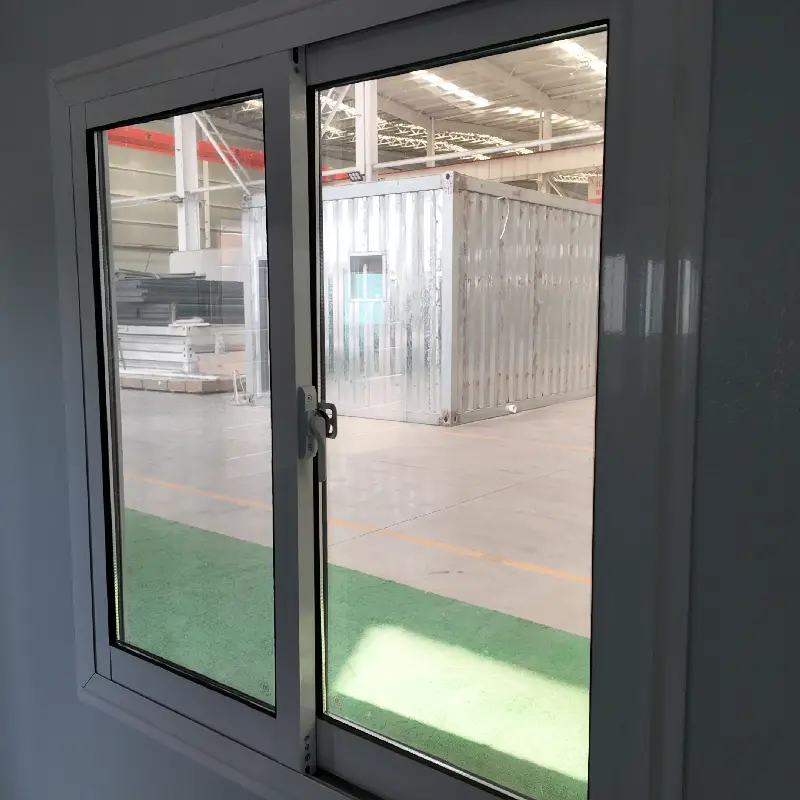
The way we position windows and doors makes a big difference for how much natural light gets inside, air moves through the space, and how connected the interior feels to what's happening outside. Big sliding glass doors along with those traditional double hung windows let plenty of sunlight stream in while also helping fresh air circulate throughout the house, which means less need to run the heater or air conditioner all day long. According to various energy research reports, when homeowners get their window placements right, they actually see around a quarter reduction in their yearly heating bills and cooling expenses. That kind of savings isn't just good for the wallet either it helps make living spaces more comfortable overall while doing something positive for the environment at the same time.
Adding Verandas, Side Entries, and Other Functional Features
Adding verandas and covered porches gives homeowners extra room outside where they can relax without worrying about rain or sun beating down. A side entry door makes getting into those attached extensions much easier too, so people don't have to walk all the way around the house when they need something from an addition. The whole setup just works better together when expanding the property over time. For families who want their outdoor areas to last through different seasons, putting in retractable awnings might be worth considering. Pergolas could also help shade patios during hot summer months while still letting in plenty of light during cooler times of year. As kids grow up and move out, these flexible spaces adjust nicely to whatever comes next.
Expanding Living Area with Multisection Mobile Additions
What really sets these houses apart is how they expand over time through those modular parts that move around easily. People can just attach extra rooms like bedrooms, home offices, or even whole new living spaces right onto the main part of the house. The best part? Homeowners don't have to break the bank when expanding because they only pay for what they need at any given moment. For instance, someone might start with just two bedrooms but later add another when kids come along. These kinds of homes work especially well for growing families who know their needs will change down the road. A lot of parents find this approach much better than building something massive from day one only to watch it sit empty for years.
Why 68% of Buyers Value Exterior Modularity (Modular Building Institute, 2023)
When it comes to what matters most to today's home buyers, exterior modularity ranks pretty high on the list. The Modular Building Institute released some numbers last year showing that nearly seven out of ten people consider this feature important when making their purchase decisions. We're seeing something bigger happening here though - folks want houses that feel comfortable right away but can also grow with them over time. With modular designs on the outside, homeowners aren't stuck with whatever they originally built. They can expand spaces later, change layouts as families evolve, or even personalize different sections of their property. Best part? These changes happen without messing up the basic structure or looking like an afterthought aesthetically speaking.
Finalizing Finishes and Partnering with Builders
Selecting Premium Interior Finishes for Comfort and Style
The right finishing touches can transform what's just a basic structure into something truly unique and livable. When selecting materials for these final stages, go with stuff that lasts long term. Solid wood floors work great, as do quartz countertops since they handle wear and tear so well. Custom built cabinets are another smart investment because they fit exactly where needed without wasting space in those compact living arrangements we see today. Don't forget about breathable walls too. Low VOC paints and other eco friendly coatings help keep the air inside fresh and clean, which matters a lot when homes are constructed to be super efficient but leave little room for ventilation otherwise.
Incorporating Smart Materials and Luxury Features
Today's expandable homes are getting smarter by the day with all sorts of high tech stuff built right in. Some walls contain phase change materials that actually adjust themselves based on temperature changes inside the house. And let's not forget about those fancy automated window coverings, music systems hidden within the architecture, plus those LED lights that eat up way less electricity than traditional bulbs. All these additions make life inside much better for residents while cutting down on power bills too. When someone wants to personalize their space, adding these kinds of features should definitely be at the top of their list.
Collaborating with Designers and Builders for Seamless Execution
Success depends on working with designers and builders experienced in modular construction. Involve your builder early to address challenges related to expandable mechanisms and inter-module connections. Maintain clear communication and hold regular coordination meetings to align on design intent, material choices, and timelines—preventing costly changes during assembly.
Aligning Budget, Timeline, and Vision in Multisection Expandable Home Projects
Getting the right mix between big dreams and what actually works means creating a solid budget plan that covers all the basics plus any special additions needed. Think about things like regular parts versus those custom pieces that might cost extra, especially when dealing with expansion systems that require special handling. When it comes to timing, don't just guess at how long everything will take. Break down the whole project into smaller chunks since most complex builds happen section by section. Also remember to leave room in the schedule for unexpected problems like late deliveries from suppliers or bad weather holding things up. Good old fashioned preparation really pays off in the end. Projects stay on track financially and finish when they should because someone actually thought through all these details ahead of time rather than winging it as they go along.
FAQ
What is a multisection expandable home?
A multisection expandable home is a modular living space designed with connection points that allow for future expansion, enabling homeowners to add rooms or sections as needed.
How do expandable homes benefit the environment?
Expandable homes reduce construction waste and decrease upfront resource use, making them more environmentally friendly compared to traditional static structures.
Can multisection homes be customized?
Yes, owners can balance standardization with personalization in design, using prefab parts and customizing certain spaces based on specific lifestyle needs.
How do expandable homes accommodate growing families?
Expandable homes allow families to add rooms as needed over time, accommodating changes in family size and needs without the need for major renovations.
What are some popular exterior modularity features?
Popular features include movable modular parts for expansion, verandas, side entries, and smart placements of windows and doors for improved light and energy efficiency.