
 EN
EN
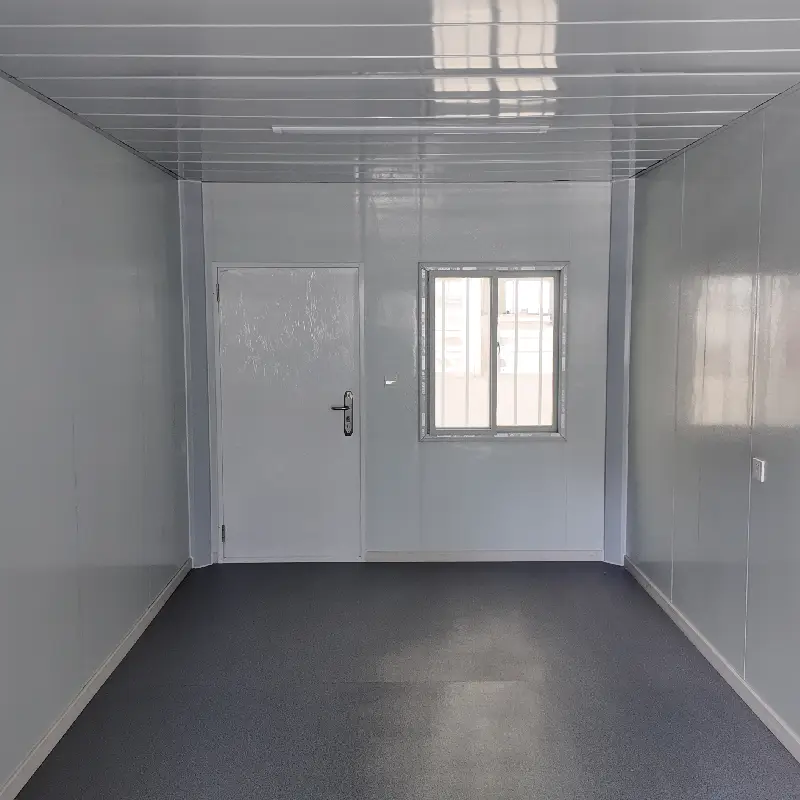
The Remote Healthcare Access Crisis Driving Demand for Mobile Pack Container Clinics
People living in rural areas across the globe struggle to get proper medical help. Some places have doctor shortages over half the population, while others require people to drive or walk for hours just to see a nurse for simple treatments. Things get even worse during natural disasters. After floods or earthquakes hit, broken roads and collapsed buildings cut off entire villages at exactly the worst time - when they need doctors most. If someone doesn't receive treatment quickly enough, illnesses that could be cured easily turn deadly within days. We see this reality every day. Maternal death rates are much higher in isolated regions, sometimes around 22% more than urban centers. People with diabetes, heart problems, or asthma often end up in life threatening situations simply because their regular checkups were delayed too long.
The current situation creates a real need for mobile pack container clinics. Traditional medical facilities need buildings and all sorts of infrastructure, but these modular units skip right past those construction headaches by using standard ISO containers as their base. Think about it: when typhoons wash out roads across Southeast Asia or heavy snows shut down mountain communities, these container clinics show up within two days flat. Just imagine watching a regular shipping container get converted into a full working exam room complete with X-ray machines and basic lab tests. And the flexibility factor? That's something else entirely. During wildfire season, one unit might be enough for a small town, but later on it could grow into a whole network of containers providing ongoing healthcare to remote indigenous groups scattered across vast territories. These mobile clinics aren't just responding to emergencies anymore they're changing how we think about delivering medical care in places that geography makes tough to reach.
How Mobile Pack Container Clinic Design Enables Rapid, Compliant, and Scalable Care Delivery
Integrated Clinical Infrastructure: Solar-powered HVAC, potable water, and telemedicine-ready connectivity
Container clinics on wheels are filling in where regular healthcare facilities fall short, especially in areas without proper infrastructure. These mobile units come equipped with solar powered heating and cooling systems that keep medications at safe temperatures even when it gets really hot or cold outside. The water purification system inside meets World Health Organization standards, so patients get clean drinking water and staff can perform medical procedures safely. With built-in satellite internet connections, doctors far away can consult with local medics in real time, which makes diagnosing tricky cases much easier in isolated regions. Field tests show these ready-to-go clinics cut down setup time by around three quarters compared to building traditional clinics from scratch.
Regulatory-Ready Modularity: ISO container standardization for CDC/WHO compliance and phased expansion
These clinics are built from ISO certified shipping containers, which naturally satisfy both CDC infection control standards and WHO building requirements. The design is modular, so they can grow as needed. Start with just a basic exam room, then add things like negative pressure isolation units or labs that have CLIA certification when necessary. Because everything connects through standard interfaces, adding pharmacy sections becomes straightforward even during disease outbreaks. Going this route cuts down upfront expenses somewhere around 40%, though exact savings depend on location and local regulations. At the same time, facilities stay compliant even when they need to scale up quickly to handle surges in patient volume.
Strategic Deployment Models for Mobile Pack Container Clinics: From Emergency Response to Permanent Rural Health Anchors
Tiered Implementation: 72-hour disaster surge units, seasonal migrant health outreach, and community-co-designed permanent clinics
Mobile container clinics help break down those tough healthcare access problems because they can be set up almost anywhere needed. When there's an emergency situation, these special 72 hour units get deployed fast to provide critical trauma care right after disasters hit. They come already packed with areas for sorting injured people and all sorts of essential medical gear that saves lives while regular hospitals might still be unreachable. The numbers tell quite a story too. Research from 2023 on disaster medicine shows that places hit by floods saw about a 19% drop in deaths thanks to these mobile clinics showing up just in time.
Seasonal outreach models follow migratory populations like agricultural workers, providing preventive screenings and vaccinations during peak labor cycles. This mobile approach eliminates travel burdens for transient communities, with clinics repositioned quarterly along migration corridors.
For permanent rural integration, community-co-designed clinics become health anchors through participatory planning. Local leaders collaborate on siting and service design—for example, adding modular pharmacy or lab units based on population health data. This co-ownership model drives 31% higher long-term utilization, per Health Resources & Services Administration (HRSA) benchmarks.
| Deployment Tier | Key Features | Target Population Impact |
|---|---|---|
| Disaster surge (72-hr) | Pre-configured trauma bays | Emergency-affected communities |
| Seasonal outreach | Rotating location strategy | Migrant labor groups |
| Permanent rural anchors | Community-driven modular expansion | Underserved rural residents |
Each tier leverages the mobile pack container clinic's core advantages: rapid assembly, regulatory compliance, and scalability. The phased implementation transforms crisis-response tools into sustainable care networks while maintaining deployment flexibility.
Proven Impact: Clinical and Operational Outcomes of Mobile Pack Container Clinic Programs
Real-World Evidence: 42% reduction in patient travel time and 28% increase in preventive service uptake across 12 US rural deployments (HRSA 2023)
Mobile container clinics are making real differences for people living in remote areas where getting medical help used to be nearly impossible. According to recent numbers from HRSA, patients in 12 different rural locations now spend about 42% less time traveling to see doctors after these mobile units arrived. That cuts down on the biggest obstacle many face when trying to get treatment. At the same time, there's been something like a 28% increase in folks actually going for their checkups and getting important shots and tests for things like diabetes and heart conditions. These containers set up shop regularly in the same spots, so people start thinking of them as part of their community. The effect is pretty remarkable really. Shorter trips mean doctors can catch problems before they become emergencies, and having regular access makes it easier for everyone to build those healthy habits we all know are so important.
Mobile pack container clinics work so well because they get placed right where people need them most—in areas that lack proper medical services. These containers transform temporary locations into lasting healthcare hubs for communities. When patients don't have to travel far to get care, it makes all the difference. The clinics help change how rural healthcare operates, moving away from just treating emergencies to actually preventing problems before they start. This approach cuts down on what hospitals spend over time while making communities healthier overall. Traditional brick and mortar facilities simply aren't practical in many remote locations, so these portable solutions fill a real gap in our healthcare system.
FAQ
What are mobile pack container clinics?
Mobile pack container clinics are modular medical units built from ISO certified shipping containers. They are equipped with essential medical facilities and can be quickly deployed to offer healthcare in remote or disaster-affected areas.
How do these clinics handle power and water needs?
These clinics are integrated with solar-powered HVAC systems for climate control and include water purification systems that meet World Health Organization standards, ensuring clean water for patients and staff.
Are mobile pack container clinics compliant with international health standards?
Yes, they adhere to CDC infection control standards and WHO building requirements, making them a compliant and scalable solution for healthcare delivery.
What impact have mobile pack container clinics had on rural healthcare?
In U.S. rural deployments, they have reduced patient travel time by 42% and increased preventive service uptake by 28%, providing more accessible and consistent healthcare to underserved populations.
Table of Contents
- The Remote Healthcare Access Crisis Driving Demand for Mobile Pack Container Clinics
- How Mobile Pack Container Clinic Design Enables Rapid, Compliant, and Scalable Care Delivery
- Strategic Deployment Models for Mobile Pack Container Clinics: From Emergency Response to Permanent Rural Health Anchors
- Proven Impact: Clinical and Operational Outcomes of Mobile Pack Container Clinic Programs
- FAQ