
 EN
EN
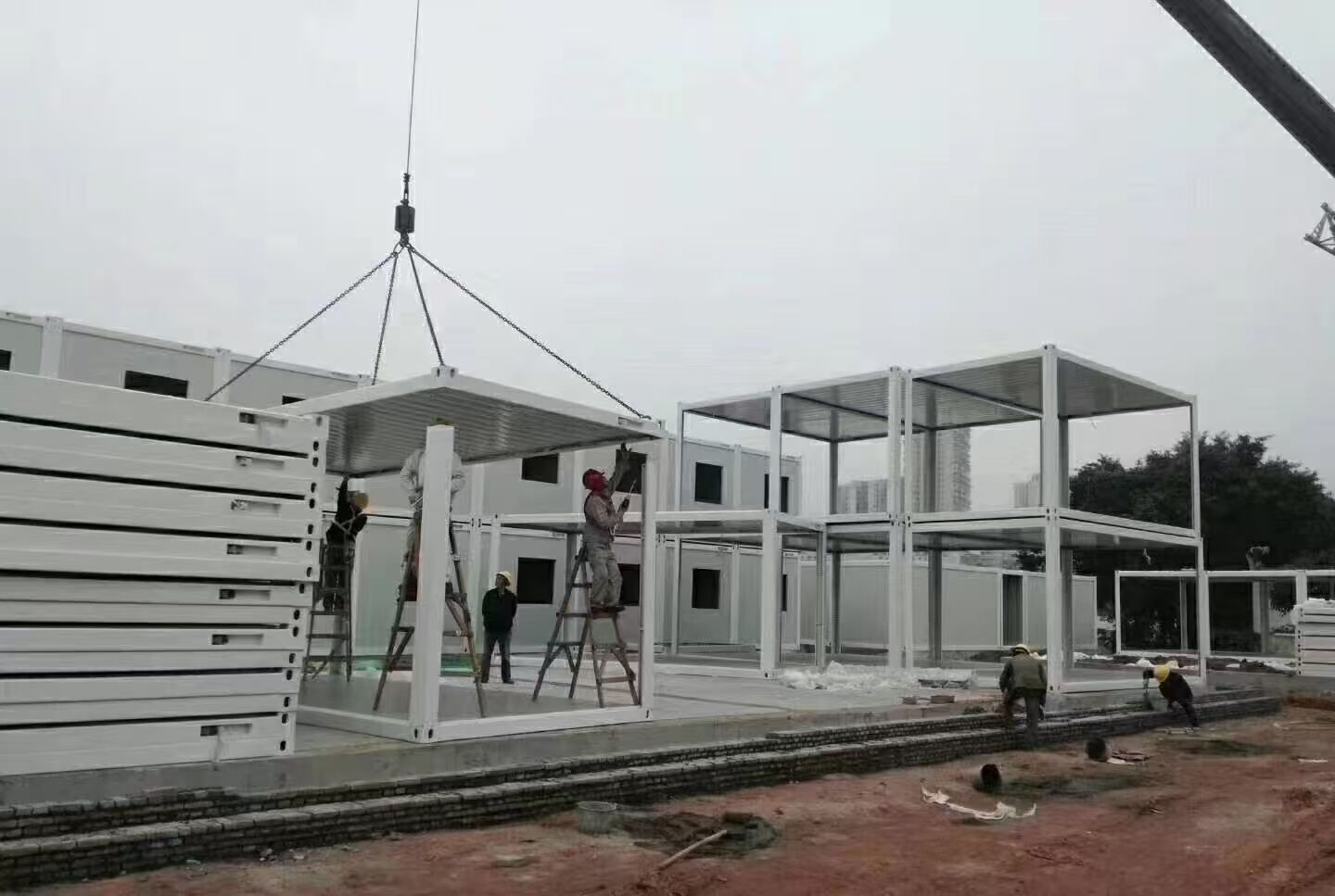
Understanding Foldable Container Home Folding Systems
Hydraulic, Hinge-Based, and Telescopic Mechanisms Explained
There are basically three main ways these foldable container homes can be set up and packed away quickly: hydraulics, hinges, and telescoping systems. The hydraulic version works with powered lifts that unfold remotely in about 8 to 12 minutes depending on conditions, which makes sense for people who need to move their homes frequently between locations. Hinged designs rely on steel joints at the corners so walls can pivot upward manually. These require some physical effort but aren't too bad to operate and generally need very little maintenance over time. Telescopic systems have sliding frames inside each other that extend outward horizontally, giving significantly more living space than regular ISO containers once expanded completely. When looking at different options, folks usually consider how fast they want to set things up versus how sturdy the structure needs to be and what fits their budget. Hydraulics work best where flexibility matters most, while hinged versions tend to perform better in remote areas without much infrastructure. And those telescoping models offer something special too since they let users customize interior spaces in ways that standard hydraulic setups just can't match because their internal layout stays pretty fixed once installed.
Material Integrity and Joint Durability Across Multiple Cycles
The constant act of folding puts real strain on how materials hold up over time and how long those joints will last. Steel that meets ASTM A588 specifications holds together pretty well through about five complete folds and unfolds before cracks start forming where the most stress happens during bends. The corners, which carry most of the weight when folded, get put through their paces according to ISO 1496 guidelines. These tests show they can handle around 20 thousand load simulations without showing any noticeable changes in shape. What covers these parts matters too for how long they last. Powder coating seems to work better than regular galvanization, cutting down wear by roughly 30 percent after all that movement back and forth. Special polyurethane seals stop water from getting into the fold areas, and using stainless steel bolts means no worries about different metals reacting against each other. Looking at equipment out in the field that's been used for years shows something interesting. Units built right keep about 95% of what they could originally handle even after ten years of being folded up and down with the seasons.
Step-by-Step Folding Protocol for Safe and Efficient Deconstruction
Pre-Fold Preparation: Utilities, Interiors, and Load Management
When getting ready to fold everything up, make sure to turn off water, power, and gas connections first. This helps keep pipes from getting tangled or damaged later on. Fix any interior fittings in place with screws that can be taken out again, and pack away anything that might move around when things start shifting. The remaining weight should spread out nicely over the floor surface. Don't pile stuff too heavily in one spot since this could stress the walls beyond what they're designed for. Remember, putting more than about 15% of the wall's strength limit in a single area might cause cracks at the joints and weaken them over time.
Real-Time Monitoring and Manual Safeguards During Folding
Continuous monitoring is essential throughout the entire folding process, combining regular visual inspections with input from built-in sensors. When working with hydraulic systems, operators should keep an eye on pressure levels since any deviation greater than plus or minus 10% from normal operation often signals problems like misalignment or blockages. Safety remains paramount, so emergency stop buttons need to stay within easy reach even when the telescopic arms are retracting. With hinge based equipment, checking alignment at each 30 degree interval makes sense too. A quick scan with either a laser level or good old fashioned protractor does the trick most times. Following these hands on procedures cuts down accident risks significantly on site. Research into modular construction safety backs this up showing around a 72% reduction in incidents for teams that stick closely to these guidelines.
Optimized Storage Strategies for Folded Foldable Container Homes
Vertical Stacking, Site Foundation, and Space-Saving Layouts
Stacking vertically becomes possible thanks to those corner castings that lock together and frames that reinforce each other. This setup lets us safely stack up to four folded units on top of each other, which cuts down on floor space needed by over two thirds compared to when they're placed next to each other side by side. Ground prep matters a lot though. We need a flat surface made from compacted gravel with proper drainage built in so water doesn't collect there, cause problems with freezing ground movement, or make things shift around when temperatures change seasonally. To get the most out of available space without making it hard to access items later, we often go with either radial or offset grid arrangements. These keep those 18 inch wide paths open for inspections while fitting roughly 30% more units into the same area than if everything were lined up straight. Numbering each unit and implementing rotation systems really speeds things up when moving stuff around again, probably saving close to half the time spent on handling. Checking how weight distributes at contact points between stacked units regularly helps maintain structural integrity through multiple rounds of storage and retrieval.
Ensuring Long-Term Reusability and Structural Performance
Field Validation: Durability Metrics After 5+ Fold/Unfold Cycles
Long-term reusability is validated through three field-measured durability benchmarks:
- Material fatigue resistance, assessed per ASTM E606 strain-controlled testing protocols
- Joint integrity retention, requiring ≥90% of original load capacity after five or more cycles
- Corrosion progression, limited to <0.5 mm surface degradation at folding interfaces
When units hit these standards, they show good weather resistance, stay dimensionally stable, and keep working reliably over time. Testing with strain gauges while actually folding shows that the hinges don't bend permanently even after lots of use. Foldable homes built right maintain around 95 percent of their original strength after about ten seasons outside. That beats regular containers in how long they last and how well they adapt to different conditions.
FAQ Section
What are the main folding mechanisms in foldable container homes?
The main folding mechanisms include hydraulics, hinges, and telescopic systems. Each has unique benefits concerning flexibility, setup speed, and customization options.
How do foldable container homes maintain structural integrity?
Foldable container homes maintain structural integrity through durable materials and joint systems tested to endure multiple fold cycles. These homes are designed according to standards like ASTM A588 and ISO 1496.
What preparations are necessary for folding container homes?
Preparations include turning off utilities and properly distributing weight to avoid stress on walls. Monitoring systems are also crucial to ensure safe folding protocols.
How can foldable container homes be stored efficiently?
Folded container homes can be stacked vertically to save space, requiring proper site preparation such as compacted gravel surfaces with drainage capabilities.
What ensures long-term usability of foldable container homes?
Long-term usability is ensured through regular testing for material fatigue, joint integrity, and corrosion resistance, maintaining performance and reliability over time.
Table of Contents
- Understanding Foldable Container Home Folding Systems
- Step-by-Step Folding Protocol for Safe and Efficient Deconstruction
- Optimized Storage Strategies for Folded Foldable Container Homes
- Ensuring Long-Term Reusability and Structural Performance
-
FAQ Section
- What are the main folding mechanisms in foldable container homes?
- How do foldable container homes maintain structural integrity?
- What preparations are necessary for folding container homes?
- How can foldable container homes be stored efficiently?
- What ensures long-term usability of foldable container homes?