
 EN
EN
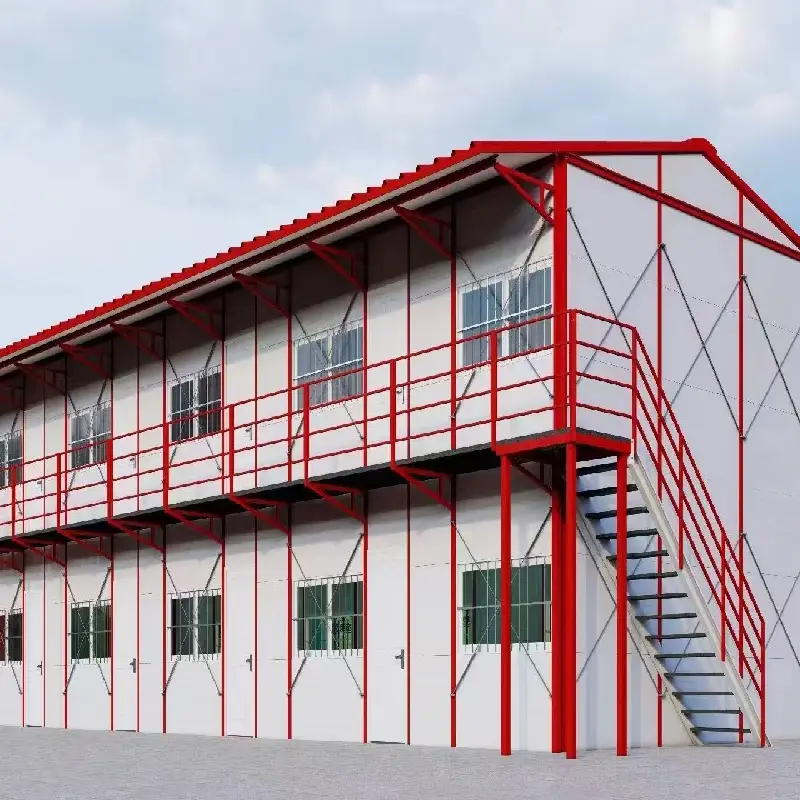
Clarify Project-Specific Requirements for Prefab Container House Deployment
Define scale, functional purpose, and long-term scalability needs
Big prefab container house developments need serious planning at the start to prevent expensive changes later on. Figure out space requirements by looking at how many people per unit and what kind of shared areas are needed. A project with 50 units for workers will have completely different needs compared to a smaller 20 unit setup for students. Make sure everyone knows what matters most for each type of facility. Medical centers need stronger plumbing to handle special equipment while emergency shelters focus on getting set up fast and standing up to transportation stress. Start thinking about expansion possibilities right from the beginning. Modular wiring systems, standard connections for utilities, and strong enough foundations let new sections get added easily without tearing everything apart. According to a report from the Modular Building Institute last year, when companies plan for growth ahead of time, they can cut down on fixing costs later by around 32%.
Align prefab container house specifications with local climate, zoning, and building codes
Adapting to climate change isn't something we can ignore anymore it's just not optional. For coastal areas, the go to solution tends to be Corten steel containers with those special anti corrosion coatings that meet ASTM A588 standards and hold up against salt spray. Up north in the Arctic regions, buildings need walls with insulation better than R 40 and triple pane windows featuring those low e coatings. Getting ahead of regulations matters too. Many local governments still see container structures as temporary even when they sit on permanent foundations, which means dealing with extra permitting hurdles. Check snow load requirements against what NOAA has published recently and make sure seismic bracing follows ASCE 7 22 guidelines based on FEMA maps. Talk to building inspectors early in the design process actually, projects that submit documents already reviewed by authorities tend to get approvals 46 percent faster according to the Global Building Performance Network's Regulatory Readiness Index from 2023.
Select Optimal Container Types and Structural Configurations for Large-Scale Prefab Container House Projects
High-cube vs. standard vs. detachable containers: Trade-offs in space efficiency, transport cost, and multi-unit integration
The 9.5 foot high-cube containers give about 12 percent extra space vertically, which really matters when building two story structures or working with those tall ceiling community areas. But there's a catch they cost around 18% more in shipping fees because they get classified as oversized loads. Regular sized containers at 8.5 feet work best for most international shipping needs and make crane operations much simpler, though they do limit what can be done inside the space. Detachables speed things up during site setup and allow for changes throughout different stages of a project, saving roughly 40% of installation time for phased developments. Still worth noting though, those connecting joints need to follow the ISO 1461:2022 guidelines for galvanization otherwise corrosion problems will start showing up especially when these units are placed close together in groups.
Engineering compliance for stacking, bracing, and load distribution in 10+ unit layouts
Getting structural integrity right from day one makes all the difference in construction projects. When building structures with three or more stacked units, engineers need to specify corner castings that meet ISO 1496-1 standards for at least 864 kN compressive strength. The wind bracing system shouldn't just handle normal conditions either—it needs certification for gusts up to 110 mph according to ASCE 7-22 guidelines. And don't forget about earthquake preparedness too. Buildings located in areas designated as Seismic Design Category C+ by USGS absolutely require those extra reinforcements. Calculating loads isn't something to skimp on either. Factor in live loads around 195 kg per square meter, account for heavy snowfall in northern regions where it can reach 1.5 kN per square meter, plus whatever additional weight comes from installing rooftop HVAC equipment or solar panels. According to recent findings published last year in Structural Engineering Review, nearly 37% of delays in modular construction projects stemmed from poor load distribution planning. That statistic alone should convince anyone that foundation designs need thorough validation based on actual soil bearing capacity reports for each specific site location.
Design Scalable, Functional Layouts Using Prefab Container House Modules
Multi-container spatial strategies: U-shaped, linear, and courtyard-integrated configurations
How space is arranged really affects how well things perform overall. The U shape layout makes those nice little courtyards that feel private and protected, great for people to eat together or hang out. Plus these spaces let air flow better between buildings and bring in more natural light throughout the day. For tight spots in cities where land is limited, linear setups work best because they keep all the pathways and service areas organized in one line. When containers surround a green area in the middle, everyone tends to gather there more often. These courtyard designs actually help regulate temperature naturally too. According to some recent studies published last spring in the Container Architecture Journal, buildings with this kind of setup use about 18 percent less heating and cooling energy than standalone structures in regions with moderate climates.
Phased deployment frameworks—from pilot 4-unit installations to 20+ unit master plans
When it comes to scaling operations, starting small makes sense. Begin with a test run of around four units first. This lets teams check how everything flows on site, see what the local community thinks, and make sure all the different systems actually work together. Once that's sorted, expansion becomes much easier by following standard building blocks. Add another six units at a time using the same base structures, power connections, and mechanical/electrical setups. This method helps avoid big financial risks upfront while still allowing adjustments as things progress. When working on bigger projects with over twenty units total, timing matters a lot. Spread out installation across different seasons so cranes aren't tied up for months, workers don't burn out, and materials arrive when needed instead of sitting in storage during bad weather. Smart scheduling keeps everyone moving forward without unnecessary delays or extra costs down the road.
Ensure End-to-End Execution Readiness: Logistics, Site Prep, and Supplier Vetting for Prefab Container House Projects
Getting things right depends on being ready as a whole system rather than just checking off individual boxes. Start mapping out logistics well ahead of time. Check if roads can handle big equipment, make sure there's enough space for cranes to operate safely, and figure out where to stage materials before they arrive. The site itself needs work done before containers show up. Do proper soil tests according to ASTM standards, fix the grading so water drains away correctly, and install electrical lines where modules will connect later. Looking at suppliers? Focus on companies that have ISO certification for their manufacturing practices. They should also have real experience building at least 20 units worth of container homes. Ask for actual reports from independent engineers who validated any changes made to structures. Better yet, get contact info from past clients who built similar projects in weather conditions like what we expect here.
| Risk Factor | Mitigation Strategy | Impact Timeline |
|---|---|---|
| Transport bottlenecks | Pre-route surveys coordinated with state DOT and local authorities | Pre-delivery (Week 1–4) |
| Utility delays | Deploy temporary power via Automatic Transfer Switch (ATS) systems during foundation and rough-in phases | Foundation phase |
| Supplier capacity gaps | Dual-source critical components (e.g., HVAC, electrical panels) with lead-time buffers | Manufacturing stage |
Embed phased quality checkpoints: factory weld inspections per AWS D1.1, post-transport damage audits, and final code-compliance sign-offs co-signed by licensed engineers. Projects applying formalized readiness protocols reduce budget overruns by 19% on average (Construction Innovation, Vol. 29, No. 1, 2022).
FAQ Section
What are the key considerations when planning a large prefab container house development?
Key considerations include defining the scale and purpose, assessing functional needs, planning for future scalability, and aligning specifications with local climate and building codes.
How do container specifications address climate and regulatory challenges?
Container specifications can involve using materials like Corten steel for corrosion resistance in coastal areas,强化 building walls with better insulation in cold regions, and ensuring compliance with local zoning and building codes to address regulatory challenges.
What are the differences between high-cube, standard, and detachable containers?
High-cube containers offer more vertical space but higher transport costs, standard containers facilitate international shipping, and detachable containers speed up setup and offer flexibility for phased deployment.
How should container house layouts be designed for optimal performance?
Layouts can be designed in U-shaped, linear, or courtyard-integrated configurations, based on spatial availability and the need to create communal or private spaces while maintaining efficiency in heating, cooling, and natural light access.
What steps are involved in ensuring end-to-end execution readiness for prefab container projects?
Execution readiness involves logistics planning, site preparation, supplier vetting, and implementing phased quality checkpoints to prevent budget overruns and ensure compliance with standards.
Table of Contents
- Clarify Project-Specific Requirements for Prefab Container House Deployment
- Select Optimal Container Types and Structural Configurations for Large-Scale Prefab Container House Projects
- Design Scalable, Functional Layouts Using Prefab Container House Modules
- Ensure End-to-End Execution Readiness: Logistics, Site Prep, and Supplier Vetting for Prefab Container House Projects