
 EN
EN
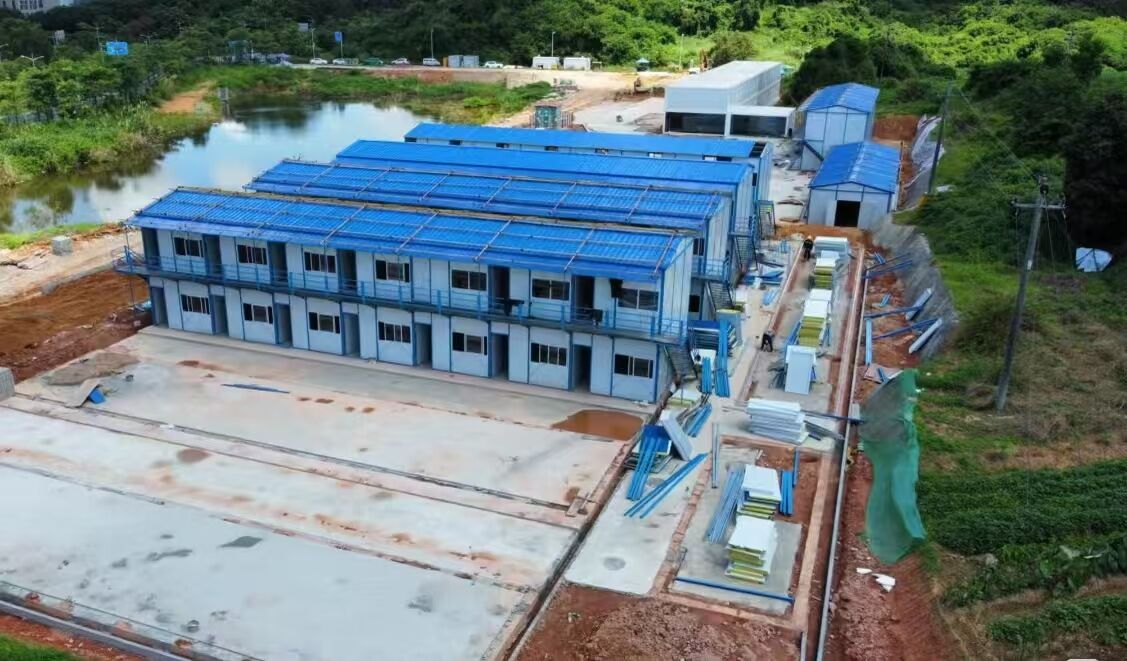
Structural Flexibility: How Expandable Container House Enables Scalable, Future-Proof Spaces
Modular Expansion Without Foundation Overhaul
Container homes that expand on demand solve the problem of limited space without breaking the bank on foundation work. The sliding extensions work similarly to those in recreational vehicles, extending outward when needed. Foldable walls can turn into patios or open up extra living area inside just as quickly. For going up instead of out, builders stack modules together with special locks that keep everything secure. Imagine taking a small 500 square foot space and having it grow to over 1,200 square feet in mere hours all while keeping the same solid base. These structures rely on strong steel frames treated against rust so they stay sturdy even after multiple expansions. Traditional home additions often settle unevenly over time, but this design avoids those problems entirely.
Seamless Reconfiguration from Single-Unit Homes to Multi-Story Commercial Complexes
The same structural principles support radical functional evolution—from standalone residences to multi-story offices or retail complexes. This is achieved through:
- Vertical stacking: Interlocking corner castings allow secure 3-story assemblies without reinforced footings
- Horizontal clustering: Side-opening mechanisms connect units into open-plan layouts
- Hybrid configurations: Combining stacked and expanded modules creates mixed-use spaces
A single-unit remote work hub, for example, can scale into a 12-unit boutique hotel by integrating additional modules. Standardized ISO connections ensure structural compliance across all phases, with optional seismic reinforcement kits available for high-wind or earthquake-prone regions.
Dual-Use Versatility: Residential Living and Commercial Innovation Powered by Expandable Container House
Residential Applications: Customizable, Affordable, and Sustainable Housing Solutions
Container homes that can expand as families grow provide flexible living spaces at a fraction of what traditional homes cost and without those endless delays in construction. These houses come with solar ready roofs made from recycled steel which helps meet green building standards. The insulation is pretty good too, cutting down on electricity costs somewhere between 30 to maybe even 50 percent when compared to regular houses built the old fashioned way. Some models start off small enough for singles or couples but can be expanded later into bigger versions with multiple bedrooms. That makes these containers especially attractive for people buying their first home, older folks looking to downsize, and entire neighborhoods wanting sustainable housing options that won't become obsolete anytime soon.
Commercial Applications: Pop-Up Retail, Remote Work Hubs, and Modular Hospitality
Companies are turning to expandable container houses when they need flexible commercial setups that can be put together quickly. Retailers who run pop-up shops often move their seasonal stores around depending on where the market demand shifts. For remote workers, there's now a solution with ready-made office spaces popping up in places that previously had nothing. These setups take about 70% less time to get going compared to building from scratch, which makes a big difference for businesses needing speed. The hospitality sector has caught on too, using modular designs to create boutique hotels and eco-friendly resorts that can scale up or down as needed. Many of these structures feature Cor-Ten steel exteriors that hold up against harsh weather conditions, so they stay operational all year round. What used to take months to develop into something profitable can now happen within weeks, transforming those empty city lots into money makers much faster than anyone expected.
Speed, Durability, and Deployment Efficiency of Expandable Container House
Rapid On-Site Assembly: 40–60% Faster Than Traditional Construction
Container houses that can expand save between 40 to 60 percent of time compared to regular building methods. These factory made parts just need to be unfolded and connected at the site location, which skips all that tedious groundwork like foundations, framing structures, and interior finishes. People actually get into their new homes within weeks instead of waiting through entire seasons, which means families can move in faster and businesses start making money sooner. The whole process saves around 30% on labor expenses too since there's less waiting around for bad weather to pass. What's really cool is how these containers connect together so well thanks to their precise engineering. This allows developers to build everything from standalone living spaces right up to several story buildings without missing a beat.
Cor-Ten Steel Resilience Across Climates and Long-Term Structural Integrity
Cor-Ten steel, which acts as its own protective layer, develops a stable rust coating when left outside, making it really tough against all sorts of weather conditions. From salty coastal air to scorching deserts and freezing cold, this material stands up well over time. Tests have shown that it holds up after hundreds of expansions and contractions, probably lasting anywhere from 20 to maybe even 30 years before needing replacement. What makes Cor-Ten so great is how it handles moisture, sunlight damage, and general corrosion without falling apart like regular wood structures do. The building industry doesn't need to spend money on constant repairs or treatments for these issues. Special reinforced corners and those clever modular connections help spread weight around properly throughout the structure. This design feature gives extra stability where earthquakes happen frequently or hurricanes are common, plus allows buildings to grow taller safely without compromising structural integrity.
Economic Advantages: Cost Predictability and Lifecycle Value of Expandable Container House
Container homes actually save money because they have clear costs at the start and maintain good value over time. Traditional building methods often go way over budget, sometimes by 20 to 30 percent according to McKinsey research from last year. With container structures, everything stays priced the same from when they're made until they get put together on site. Companies can save around 35 to 50 percent initially just by using old shipping containers instead of buying new materials, plus there's less waste to deal with. The standard size modules also mean fewer surprises when expanding later on. These buildings are designed to be energy efficient too, cutting down electricity costs by about 40 percent each year. And the special Cor-Ten steel used lasts forever basically, so after three years the maintenance costs drop below 1 percent of what it originally cost to build. Businesses can invest in stages as needed without taking on big debts either. Looking at the whole picture over ten years, these container projects tend to make about 25 percent more return than regular buildings thanks to how easy they are to reuse and move around.
| Cost Factor | Traditional Construction | Expandable Container House |
|---|---|---|
| Upfront Expenses | High volatility | Fixed pricing |
| Transport | Multiple trips | Single delivery |
| Expansion | Structural demolition | Bolt-on modules |
| Maintenance | Annual 3–5% of build cost | <1% after year 3 |
Backed by 60-year structural warranties, expandable container houses represent a high-value, low-risk asset for residential developers and commercial operators alike.
FAQ Section
What are expandable container houses?
Expandable container houses are versatile structures that use modules for flexible living or commercial spaces. They can be expanded or configured as needed to suit various purposes.
How do expandable container houses save time compared to traditional construction?
Expandable container houses save time through rapid on-site assembly, eliminating the need for extensive foundations and framing, thus speeding up the construction process by 40–60%.
What materials are used for expandable container houses?
Most expandable container houses utilize Cor-Ten steel for durability against climate and wear, ensuring robust, long-lasting buildings.
Are expandable container houses cost-effective?
Yes, they offer fixed pricing and save 35–50% in costs compared to traditional materials, while also being energy efficient, reducing electricity expenses.
Table of Contents
- Structural Flexibility: How Expandable Container House Enables Scalable, Future-Proof Spaces
- Dual-Use Versatility: Residential Living and Commercial Innovation Powered by Expandable Container House
- Speed, Durability, and Deployment Efficiency of Expandable Container House
- Economic Advantages: Cost Predictability and Lifecycle Value of Expandable Container House
- FAQ Section