
 EN
EN
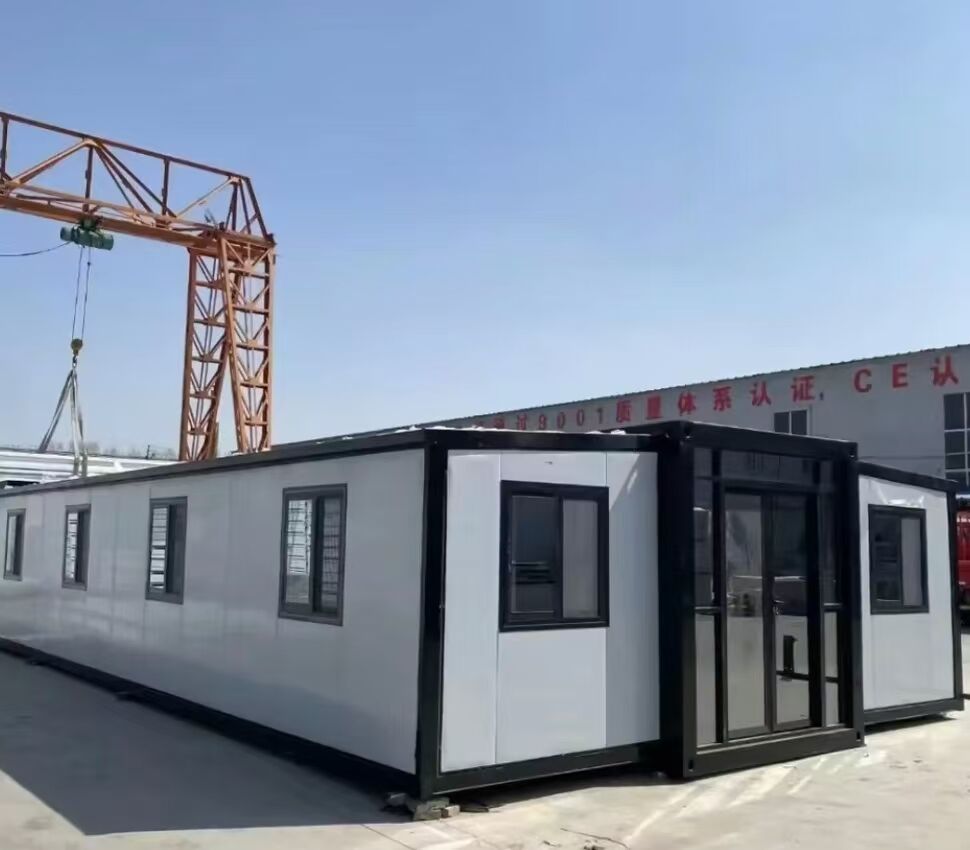
Foundational Smart Infrastructure for Expandable Container House Systems
Pre-Wired Electrical, Data, and Low-Voltage Networks for Seamless Smart Integration
When building modern expandable container houses today, manufacturers are increasingly installing essential backbone systems right from the factory floor rather than trying to add them later. The electrical system comes pre-wired with dedicated circuits rated between 15 to 20 amps, which means big appliances can run smoothly without stressing shared power lines. For data connections, Cat6+ cables provide blazing fast gigabit speeds throughout each module. Meanwhile, standard 12 to 24 volt DC networks handle power delivery directly to sensors, controllers and actuators. This approach gets rid of those annoying conversion losses and voltage drops that plague many field-wired setups. According to recent research from the Modular Building Institute in 2023, this comprehensive setup slashes retrofitting expenses by around 60 percent and speeds up smart device installation by roughly 40%. Smart builders also include moisture resistant junction boxes and specially designed weatherproof ports at expansion points. These features keep signals strong and operations running smoothly even after countless deployment cycles in different environments.
IoT-Enabled Central Control Hub: Unifying Lighting, Climate, Security, and Expansion Commands
A centralized, edge-capable control hub serves as the operational brain—processing inputs from 50+ endpoints via Zigbee, Z-Wave, and Matter-compliant protocols. It unifies four interdependent domains:
- Adaptive LED lighting with occupancy- and daylight-sensing dimming (reducing lighting energy use by 35%)
- Multi-zone HVAC modulation that adjusts temperature, airflow, and humidity per zone based on real-time occupancy and thermal load
- Integrated security: motion detection, smart lock status, and camera feeds—all cross-referenced for context-aware alerts
- Motorized expansion mechanisms with torque-sensing actuators and structural safety interlocks
The hub enables voice-activated or app-triggered routines—e.g., “deploy bedroom” initiates a verified sequence: unlocking joints, extending walls under load monitoring, activating zone HVAC, and adjusting lighting—while continuously validating structural stress thresholds against ANSI/AISC design limits.
Intelligent Structural Adaptation in Expandable Container House Design
Embedded Load and Expansion Sensors for Real-Time Structural Integrity Monitoring
Strain gauges embedded in structures, along with hydraulic pressure sensors and linear displacement monitors, keep an eye on those tricky expansion points throughout buildings. We're talking about things like corner castings where walls meet floors, those long telescoping rails that move walls apart, and the roof supports that need to bend without breaking. The smart systems connected through the internet can spot problems early on when stress builds up in unexpected places, when parts start to shift out of alignment, or when actuators begin drifting off course. Take wall extensions for example. As these modular walls stretch out, the system constantly checks pressure levels and makes adjustments to how much hydraulic fluid flows through. This helps spread the force evenly across the whole structure instead of letting one spot take all the strain which could lead to buckling or weakened welds over time. Real world testing has shown buildings equipped with these monitoring systems last about 40 percent longer than ones without them according to research published by the Modular Building Institute back in 2025. Plus, the predictive maintenance alerts catch issues well before anyone even notices something's wrong with building performance.
Software-Defined Space Reconfiguration via Smart Actuators and Dynamic Partition Controls
Motorized actuators work together with position locked dynamic partitions to allow quick and consistent reconfiguration from compact mode all the way to full expansion within about 90 seconds. These partitions come with built in thermal breaks, some acoustic damping material, plus those important gasketed seals that help maintain overall performance no matter what configuration they're in. The control software inside actually learns from how people use the space and their personal preferences when suggesting layout options. For instance, it might recommend combining HVAC zones during times when fewer people are around, which can reduce wasted energy related to climate control by roughly 18 percent. What makes this different from traditional fixed automation systems is its ability to adapt over time. After every expansion cycle, the system adjusts the torque settings on those actuators. It also keeps updating its thermal models as seasons change and environmental conditions shift, so everything stays reliable and comfortable for occupants in the long run.
Smart Energy Autonomy for Expandable Container House Deployment
Integrated Solar Roofing, AI-Optimized Battery Storage, and Off-Grid Microgrid Management
Real off grid resilience comes down to how well all the different energy parts work together instead of just having separate pieces sitting around. When we talk about integrated photovoltaic roofs, these are designed to handle bending when structures expand and contract. Such installations can actually cover around 92 percent of yearly power needs where there's plenty of sunlight according to NREL research from 2022. For battery storage, lithium iron phosphate systems powered by artificial intelligence look at both current weather conditions through online services and past usage data. This helps them last longer between charges by about 27%, plus it cuts down on wasted energy as per findings from the U.S. Department of Energy's Grid Modernization project back in 2023. There's also this clever microgrid controller that manages everything coming in from solar panels, decides when to draw from stored power, and even handles backup generators if needed. It keeps track of what's happening right now like extra heating demands when walls get deployed. And finally, special software constantly checks on things like how efficient each solar panel remains over time, makes sure batteries stay balanced across cells, and monitors whether inverters are still working properly. If something looks off, it sends out warnings so problems don't suddenly shut down the whole system.
Future-Ready Integration: Overcoming Interoperability and Scalability Challenges
When we want to add smart features to expandable container houses, we need to think ahead about how everything fits together rather than just slapping on isolated tech fixes. The big problem right now? Getting all these components to work together. Lighting systems, security devices, those little motors that move parts of the structure, and energy management tools basically use their own secret languages. Most companies try to fix this by using their own special gateways, which actually makes things more fragile over time. That's why many experts are pushing for open standard middleware based on things like MQTT, Matter protocols, and RESTful APIs. These allow devices from different manufacturers to talk to each other securely and follow rules automatically. As buildings grow bigger with additional modules, the network gets stressed out. Adding new sections shouldn't crash the whole system or slow things down because of limited bandwidth or processing power. A better approach is building with modules that handle local controls but still communicate through encrypted mesh networks. This way expansion happens smoothly without creating traffic jams in the central system. Looking ahead, planning for 5G connectivity at the edge of networks, AI that predicts when maintenance will be needed, and adapting to changing electrical grid standards helps these smart homes keep pace with technological advances rather than falling behind. When designers focus on open standards and flexible infrastructure upfront, what used to be major headaches become real advantages down the road.
FAQ
What is the advantage of pre-wiring expandable container houses?
Pre-wiring helps reduce retrofitting expenses by 60% and accelerates smart device installation, ensuring seamless operation and integration without conversion losses and voltage drops.
How does the IoT-enabled central control hub benefit expandable container houses?
The hub processes inputs from various endpoints via compliant protocols, managing lighting, climate, security, and structural expansion commands efficiently.
How do embedded sensors contribute to structural integrity?
Embedded sensors, including strain gauges and hydraulic pressure monitors, help spot structural issues early by monitoring stress and pressure points, leading to extended building life.
What are the benefits of software-defined space reconfiguration?
Software-defined reconfiguration allows quick space adaptation by using smart actuators, improving energy efficiency and personalizing space layouts based on user preferences.
How does integrated solar roofing enhance energy autonomy?
Integrated solar roofing covers up to 92% of yearly power needs with AI-optimized battery storage and microgrid management, promoting off-grid resilience and energy efficiency.
Table of Contents
- Foundational Smart Infrastructure for Expandable Container House Systems
- Intelligent Structural Adaptation in Expandable Container House Design
- Smart Energy Autonomy for Expandable Container House Deployment
- Future-Ready Integration: Overcoming Interoperability and Scalability Challenges
-
FAQ
- What is the advantage of pre-wiring expandable container houses?
- How does the IoT-enabled central control hub benefit expandable container houses?
- How do embedded sensors contribute to structural integrity?
- What are the benefits of software-defined space reconfiguration?
- How does integrated solar roofing enhance energy autonomy?