
 EN
EN
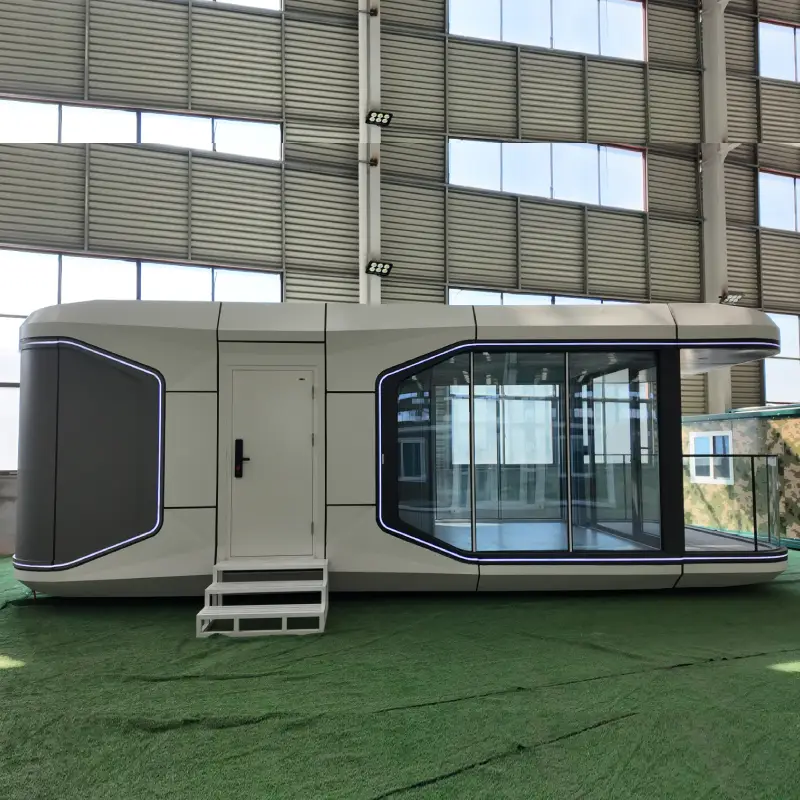
Choosing the Optimal Container Size and Configuration for Bulk Pack Container Housing
20-ft vs. 40-ft Units: Matching Capacity, Transport Logistics, and Project Scale
When deciding between 20 foot and 40 foot containers, it really comes down to matching space needs with what the site can handle, how things get moved around, and just how big the project actually is. Let's look at numbers first. The regular sized 20 footer gives about 1,170 cubic feet inside, which works great when space is limited or access points are narrow. On the flip side, those longer 40 foot models pack in roughly 2,390 cubic feet, so they cut down on the total number needed for bigger jobs. Getting them from point A to B matters too. Twenty footers fit easily through normal city streets and don't need special lifting equipment. Forty foot containers tell a different story though. They need more room to turn, special permits for roads, and equipment most folks aren't familiar with. According to recent industry reports, switching to 40 foot containers makes sense cost wise once there are over fifty units involved, potentially saving around 30% on shipping expenses. And let's not forget weight limits either. The larger containers can hold 60,000 pounds compared to 44,000 for the smaller ones. This difference affects everything from what kind of foundations need building to how containers should be braced together.
| Comparison Factor | 20-ft Container | 40-ft Container |
|---|---|---|
| Internal Volume | 1,170 cu ft | 2,390 cu ft |
| Max Payload | 44,000 lbs | 60,000 lbs |
| Road Accessibility | High (fits standard lanes) | Moderate (requires clearance) |
| Ideal Project Scale | < 50 units | 50+ units |
Multi-Container Layout Strategies for Industrial-Scale Bulk Pack Container Housing Deployment
When setting up large scale installations, it's not enough to simply pack things together tightly. The right kind of grouping matters for how well everything works, stays safe, and can grow later. Straight line setups work best for those long skinny spaces warehouses often need to expand into. For places where quick response times matter, like during emergencies, putting everything around a central power source makes sense. Military bases in the field benefit from these comb-like patterns that let them add new sections quickly as needed. There are three main things engineers always keep in mind no matter what layout they choose. First, managing wind forces is important. Staggered rows actually cut down air resistance about forty percent better than if everything were lined up straight. Second, making sure there's at least eight feet of clear space between groups so equipment like cranes and forklifts can move freely. Third, stacking units on top of each other without needing special foundations is standard practice now. Some models with extra bracing allow even taller structures once they pass certain certifications. Starting with just the essential parts while building more modules ahead of time helps save money upfront and gets returns coming faster. These ready made connection systems take about half the time to put together compared to welding stuff on site. And don't forget to check local building codes regarding density restrictions before finalizing any plans because changing things later costs a fortune.
Engineering Structural Durability into Bulk Pack Container Housing
Critical Material Specifications: Steel Gauge, Load-Bearing Reinforcement, and 5:1 Safety Factor Compliance
The foundation of structural reliability lies in the quality of materials used throughout construction. Most industry guidelines specify 14 gauge Corten steel for main wall structures since it can handle compression forces of around 86 kN per square meter without showing any signs of bending or warping. For added strength, corners get extra thick plating about 25% heavier than standard, while support beams between walls need to stay within 1.2 meter spacing to spread out both moving and stationary weight evenly across the structure. All these requirements work together to meet what many call the absolute minimum safety standard in our field - a 5 to 1 ratio means every container can actually hold five times what it's officially rated for. This kind of overengineering makes all the difference when stacking containers vertically, allowing safe towers of up to nine units without compromising stability. Such robust design becomes essential in situations where space matters most, like those massive storage facilities packed with bulk goods containers where we simply cannot afford any structural failures over time.
Weatherproofing and Longevity: Seam Sealing, Thermal Insulation Integration, and Corrosion-Resistant Coatings
Getting equipment to last long in tough conditions isn't about sticking on extra parts later. It requires proper protection layers right from the start. When we seal all those structural joints with polyurethane, we stop water getting inside where it doesn't belong. Water intrusion is actually one of the main reasons things break down early, accounting for around 37% of problems reported in areas with lots of humidity according to that Maritime Engineering Report from last year. For keeping things cool or warm as needed, closed cell spray foam does the trick. The R value here hits at least 6.5 per inch, so no worries about condensation forming anywhere. Equipment stays fully functional whether temperatures drop below freezing or climb into the heatwave range. And let's talk about rust prevention. We apply these special coatings first – the kind with lots of zinc in them – then finish off with something that stands up to sunlight without fading. Together they create this tough shield against corrosion. Most installations end up lasting well past half a century even when exposed to harsh coastal air filled with salt spray.
Ensuring Operational Longevity Across High-Demand Environments
Durability Benchmarks for Construction, Military, and Warehouse Applications of Bulk Pack Container Housing
For bulk pack containers to stay operational in their intended environments, they need to hit specific durability standards for each industry. On construction sites, containers face constant vibrations and impacts, so manufacturers test them against at least 10G shocks to make sure they hold up. When it comes to military use, the requirements get even tougher. The walls need to withstand bullets, and everything has to work reliably whether it's freezing cold at -40 degrees Celsius or sweltering hot at +55. Warehouses care most about how well containers stack on top of each other, which is why we apply a standard 5:1 safety margin throughout our design process. Not meeting these specs costs companies big time. According to a study by Ponemon Institute from last year, fixing corrosion damage runs around $740k per incident on average. After running tests that simulate 20 years of wear and tear in just weeks, top quality units feature Corten steel outside, heavy duty corners, and three layers of sealed seams. These containers keep going strong with nearly perfect uptime rates of 99.9% in situations where stopping operations isn't really an option.
Standardization vs. Customization in Bulk Pack Container Housing Design
Design for Manufacturability, Stackability, and Rapid Field Assembly
When it comes to design standards, they really do make things work better and faster. Modular parts cut down manufacturing expenses somewhere between 15% and 30% because companies can produce them at scale. The consistent size means these units stack securely right up to five layers tall without any issues. Plus those special corner pieces just click together so the whole thing goes together in under two hours for each container. Now when we talk about custom features like blast proof doors or HVAC systems tailored for specific climates, sure they solve some pretty unique problems out there in the field. But let's be honest, these modifications usually take about half again as long to fabricate and create all sorts of headaches during shipping and handling. What actually works best is finding that sweet spot where only certain parts get customized. Think about moving doors around, changing internal walls, or adding access points for services while keeping everything else standard. This way containers still stack neatly, go up quickly on site, and don't mess up the entire supply chain process. Looking at actual industry numbers shows standardized containers cut down mistakes during large scale installations by roughly 34%. Makes sense why so many big operations rely on this approach for their container housing solutions.
FAQ
Q: What are the size differences between a 20-ft and a 40-ft container?
A: A 20-ft container offers approximately 1,170 cubic feet of internal volume, while a 40-ft container provides around 2,390 cubic feet.
Q: Which container size is best for larger projects?
A: For projects involving more than 50 units, 40-ft containers are more cost-effective in terms of shipping and logistics.
Q: What factors influence the layout strategies for container housing?
A: Key considerations include wind force management, equipment access spaces, and efficient stacking with proper bracing.
Q: How are containers engineered for durability?
A: They use 14 gauge Corten steel, additional corner reinforcements, and maintain a 5:1 safety factor to ensure robust design.
Q: How is weatherproofing achieved in bulk pack container housing?
A: By using seam sealing with polyurethane, closed cell spray foam for insulation, and applying corrosion-resistant coatings.