
 EN
EN
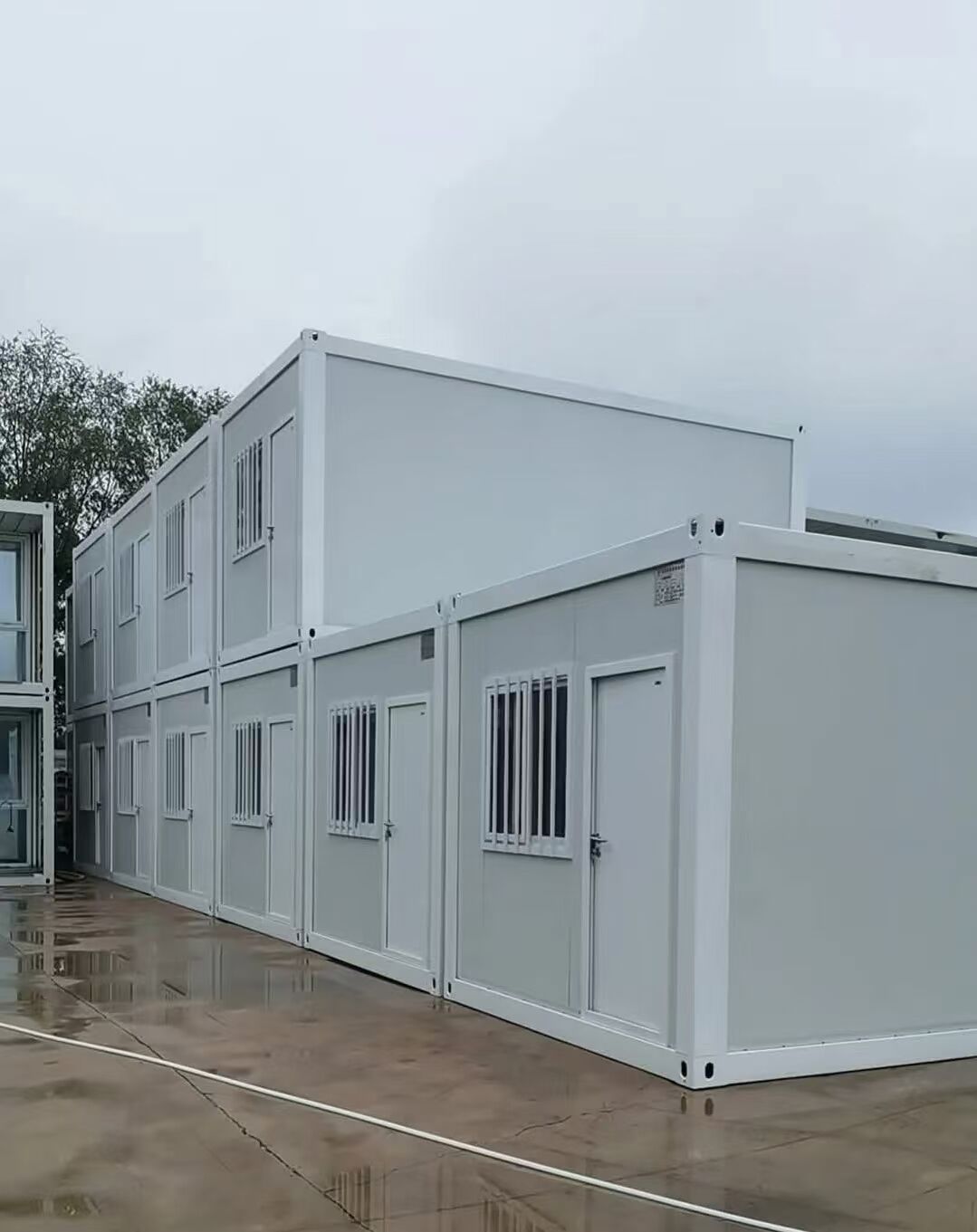
Rapid Deployment: The #1 Advantage of Foldable Container Homes
How foldable container homes cut mobilization time by up to 70% versus traditional temporary housing
Most traditional temporary housing built on site takes around 4 to 6 weeks just for the foundation and actual assembly work. Foldable container homes skip all that hassle since everything gets done at the factory before shipping. According to a recent industry report from 2023, these modular units can be deployed in only 1 to 2 weeks, which means they're about 70 percent quicker than what we normally see. The way these homes are packed flat allows three times as many units to fit on each truck, making transportation much easier to manage. When they arrive on site, specially trained workers simply unfold the already wired and plumbed structures within hours using nothing fancy but basic hand tools no need for big cranes or expensive equipment here. The real value becomes clear when dealing with situations where timing matters most emergency relief efforts, temporary housing for seasonal workers, or setting up quick infrastructure solutions where every day counts.
Case study: 48-hour site-to-occupancy deployment for wildfire emergency housing in California (2023)
When the 2023 wildfires raged across Northern California, emergency teams got creative with shelter solutions. They rolled out these massive 40 foot foldable container homes straight from warehouses into actual living spaces in less than two days flat. The containers came packed tight in regular freight trucks so nobody needed special equipment to unload them. On site, workers simply unfolded each spacious 74 square meter unit in around 90 minutes give or take, locked everything down securely, and hooked up water and power connections pretty much right away. People actually received their keys within just two days after arrival at the site something that would never happen with conventional temporary housing options. Seeing this kind of rapid response has made both federal and state emergency managers sit up and take notice. These collapsible modular systems are getting serious attention now because when disasters strike, every minute counts for keeping people safe and speeding up recovery efforts.
Cost-Effectiveness Across Short-Term Project Lifecycles
Lifecycle cost analysis: Foldable container home vs. site-built temporary housing (6€“12 month deployments)
When looking at projects that need housing solutions for around six to twelve months, foldable container homes actually cut down overall costs by about thirty five to fifty percent when compared to building something from scratch on site. The traditional approach comes with serious price tags right off the bat. Think about it: materials alone can run over $120 per square foot plus all the skilled workers needed and those expensive concrete foundations. Foldable containers come completely built already, so there's no need for any kind of foundation work thanks to their built in steel frames. Plus, they require way less labor onsite too maybe as much as eighty percent less. And let's not forget about waste disposal costs either. These usually take up around fifteen percent of what most construction projects end up spending overall, as shown in last year's Construction Waste Management Report from 2023.
Tangible savings in labor, foundation, and logistics €” especially for remote or constrained job sites
Three key cost drivers deliver measurable ROI:
- Labor: Plug-and-play assembly cuts crew days by 60%
- Foundations: Avoids $18,000€“$35,000 per-unit concrete costs
- Logistics: Flat-packed transport fits four units per truck€”versus one for traditional builds
The benefits really stand out when we look at places that are hard to reach or difficult to access. Think about mountain mining operations, areas hit by disasters, or research bases in the Arctic Circle where regular building materials can cost as much as 70 percent more just to get there. Foldable container homes solve this problem because they fit within standard shipping container sizes, which means they can actually move through tight spaces and over rough ground without needing expensive helicopter drops or special transport equipment. A real world example comes from an Arctic research station last year that cut their budget by almost three quarters of a million dollars according to the 2023 Polar Logistics Report simply by not having to pay for air transport. What makes these containers even better is how they can be reused multiple times. When moved to another location, most units only need minor repairs costing around 5 percent of what a new unit would cost, making them something that pays off again and again across different projects.
Modular Relocatability: Future-Proofing Temporary Project Infrastructure
From single-unit workforce housing to scalable emergency shelters: Reconfiguring foldable container homes on demand
Container homes that fold up are really adaptable spaces, not just fixed shelters but something that changes with needs. Take a basic cabin unit for instance. It doesn't take long to expand it into several rooms when needed. Or turn it around completely for different purposes like emergency medical setups, temporary command centers, even shared cooking areas. And here's the best part nobody has to tear anything down or build new foundations from scratch. The design works because everything connects through standard parts, comes ready with wiring already installed, and built with extra strength so they hold together no matter how they're placed. Put them alone, next to each other, or pile them high in stacks, these containers stay solid and functional.
The real test came during last year's wildfires in California. Imagine needing shelter for 80 people overnight. Foldable modules connected together created everything from sleeping quarters to mess halls and command posts all within two days using standard procedures. What makes these units stand out isn't just how fast they go up but what happens when they come down. Regular temporary structures leave behind about 60% waste after dismantling and cost a fortune to move again later. Not so with these foldables. They pack down small enough for transport, cutting truck trips by almost half compared to traditional setups. And nobody has to pay those ridiculous $12k plus fees for tearing things apart at the end. Plus there are special bases that work on different ground types too, whether it's muddy earth or icy terrain.
As project timelines shorten and operational uncertainty grows, foldable container homes shift from disposable stopgaps to strategic, future-proof assets€”capable of transitioning seamlessly between oil field housing, disaster relief, and permanent transitional communities.
FAQ
What are foldable container homes?
Foldable container homes are modular units that can be quickly assembled on-site. They are designed to be mobile and versatile, enabling rapid deployment for various short-term housing needs.
How are foldable container homes different from traditional temporary housing?
Unlike traditional temporary housing that requires on-site construction, foldable container homes are pre-assembled in factories and simply unfolded at the site. This reduces build time by up to 70% and eliminates the need for special equipment.
What makes foldable container homes cost-effective?
Foldable container homes save on labor, logistics, and foundation costs, bringing total project expenses down by 35 to 50% compared to site-built structures.
Can foldable container homes be reused?
Yes, these homes can be moved and reused across different projects with minimal repair costs, making them a versatile and sustainable option for temporary housing needs.