
 EN
EN
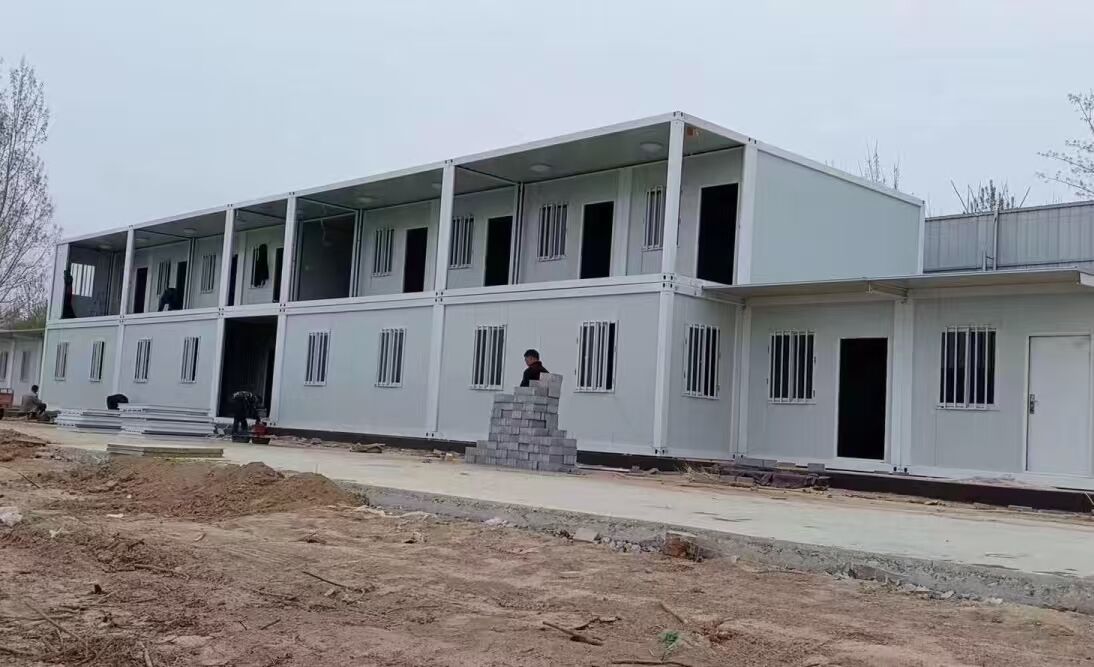
Why an Easytobuild Container Home Is Truly DIY-Accessible
Building your own home seems intimidating—but an easytobuild container home eliminates traditional barriers. Its design prioritizes accessibility through intelligent engineering and user-focused assembly processes.
Modular Prefabrication and Standardized Components
Factory built modules form the basis of this method, featuring precisely cut openings and utility channels already installed. With standardized parts, bolts panels and connectors all fit together without needing any special modifications. According to studies on modular housing in the Journal of Housing Economics, this method cuts down construction mistakes by about sixty percent when compared to traditional on site building techniques. Everything comes marked and ordered so workers can follow straightforward steps during assembly. What we're really looking at here is something similar to putting together a giant kit according to detailed instructions, just scaled up to full size proportions.
Tool Requirements and Skill Thresholds for First-Time Builders
You only need basic tools: a cordless drill, level, wrench set, and circular saw. No welding or heavy machinery is required—structural reinforcements use bolt-on steel plates. First-timers succeed through intuitive design:
- Color-coded electrical systems
- Push-fit plumbing connectors
- Pre-marked cutting points
Safety features like load-bearing indicators prevent critical errors. The average DIYer completes structural assembly in under three weekends following the visual manual. This low-threshold approach makes owner-built homes achievable without trade experience.
Phase-by-Phase Assembly of Your Easytobuild Container Home
Site Prep, Foundation Options, and Precise Container Placement
Start off by getting rid of any debris and making sure the ground is level so water doesn't pool around the structure later on. The type of foundation really depends on what kind of soil we're dealing with locally. Concrete slabs work great when there's flat land available. Gravel pads are pretty good options for areas where water drains away naturally. And if the land slopes, then pier foundations tend to handle those situations best. When it comes time to actually put the container house in place, hiring a crane operator who can get things positioned right matters a lot. We're talking about getting it spot on within about a quarter inch difference. Getting this alignment correct from the start helps avoid all sorts of problems down the road when the structure expands slightly over time.
| Foundation Type | Best For | Key Benefit |
|---|---|---|
| Concrete Slab | Stable, flat ground | Prevents shifting |
| Gravel Pad | Well-draining soil | Reduces frost heave risk |
| Pier Foundation | Sloped/unstable terrain | Minimal ground disruption |
Cutting Openings and Reinforcing Structural Integrity Safely
Creating door or window openings requires careful planning, especially around those load bearing corners that can't be messed with. For accurate cuts, grab an angle grinder but don't forget the safety gear first. Once those cuts are made, reinforcing the edges right away makes all the difference. Bolt on those steel C-channel kits work wonders here since they spread out the weight properly and stop things from bending out of shape. Plus, these kits actually meet ASTM E2357 standards which is pretty important for prefab homes. Don't skip deburring those sharp spots either, and double check where exactly those cuts were made against the engineering plans provided. This attention to detail keeps everything standing strong over time.
Integrating Core Living Systems Without Electrical or Plumbing Certifications
Plug-and-Play Electrical, Off-Grid Plumbing, and Passive Ventilation
Getting essential utilities up and running doesn't require any special licenses anymore, because manufacturers now make everything code compliant right out of the box. The new plug and play electrical kits come with all the circuits already wired, and those colorful connectors just snap together like putting together IKEA furniture, so nobody needs to mess around with complicated wiring anymore. When it comes to plumbing for off grid setups, we're seeing a lot of folks switch to flexible PEX tubing and those push fit joints that don't need any soldering equipment. Plus there are these cool rainwater collection systems and greywater filters that let people cut down on their reliance on city water connections. For keeping things comfortable temperature wise, passive ventilation works wonders when someone installs louvers in the right spots and creates thermal chimneys to move air naturally throughout the space. And ductless mini split systems? They're becoming super popular too since they only need simple refrigerant lines connecting indoor and outdoor units for heating and cooling where needed most. The US Department of Energy actually reported back in 2023 that all these integrated solutions can slash installation time by about two thirds compared to traditional methods, and best part is they stay compliant thanks to those pre engineered designs built into them from day one.
Finishing Your Easytobuild Container Home: Weatherproofing and Aesthetic Completion
Making a container home weather resistant turns what could be just an easy build into something that lasts for years and feels good inside. Start by sealing the outside surfaces with proper products that stop rust from setting in, which matters a lot if the place is going to sit in damp conditions. Painting with stuff that stands up to sun damage works well, or putting on some kind of covering like wooden boards or those composite materials helps protect against all sorts of weather while also making the whole thing look better from the street. To keep everything holding together over time, it makes sense to strengthen where different parts connect and check those connections every year before problems get serious. A little maintenance goes a long way toward avoiding expensive fixes down the road.
The way we finish interiors makes each space truly our own while making it work better for daily life. Before putting up drywall or those wooden panels on walls, don't forget about installing proper vapor barriers first. For floors, go with something that stands up to dampness like ceramic tiles or good quality laminate instead of regular wood. When thinking about outdoor areas around the house, consider extending decks or creating garden beds that slope away from the foundation to manage water runoff naturally. And remember to check everything related to electricity and pipes against what's required by local regulations before anyone moves in. Taking these steps throughout the build process means the container home will stay comfortable for years, keep people safe inside, and actually do its part for the environment too.
FAQ
What tools are required for building an easytobuild container home?
Basic tools like a cordless drill, level, wrench set, and circular saw are all you need. No welding or heavy machinery is necessary.
Do I need any special certifications for electrical or plumbing work?
No, the plug-and-play systems provided do not require special certifications and are designed to be code compliant straight out of the box.
What are the foundation options for container homes?
Options include a concrete slab for flat ground, a gravel pad for well-draining soil, and a pier foundation for sloped or unstable terrain.
Are there any specific safety features incorporated into these homes?
Yes, features like color-coded electrical systems, push-fit plumbing connectors, and load-bearing indicators help ensure safety during assembly.