
 EN
EN
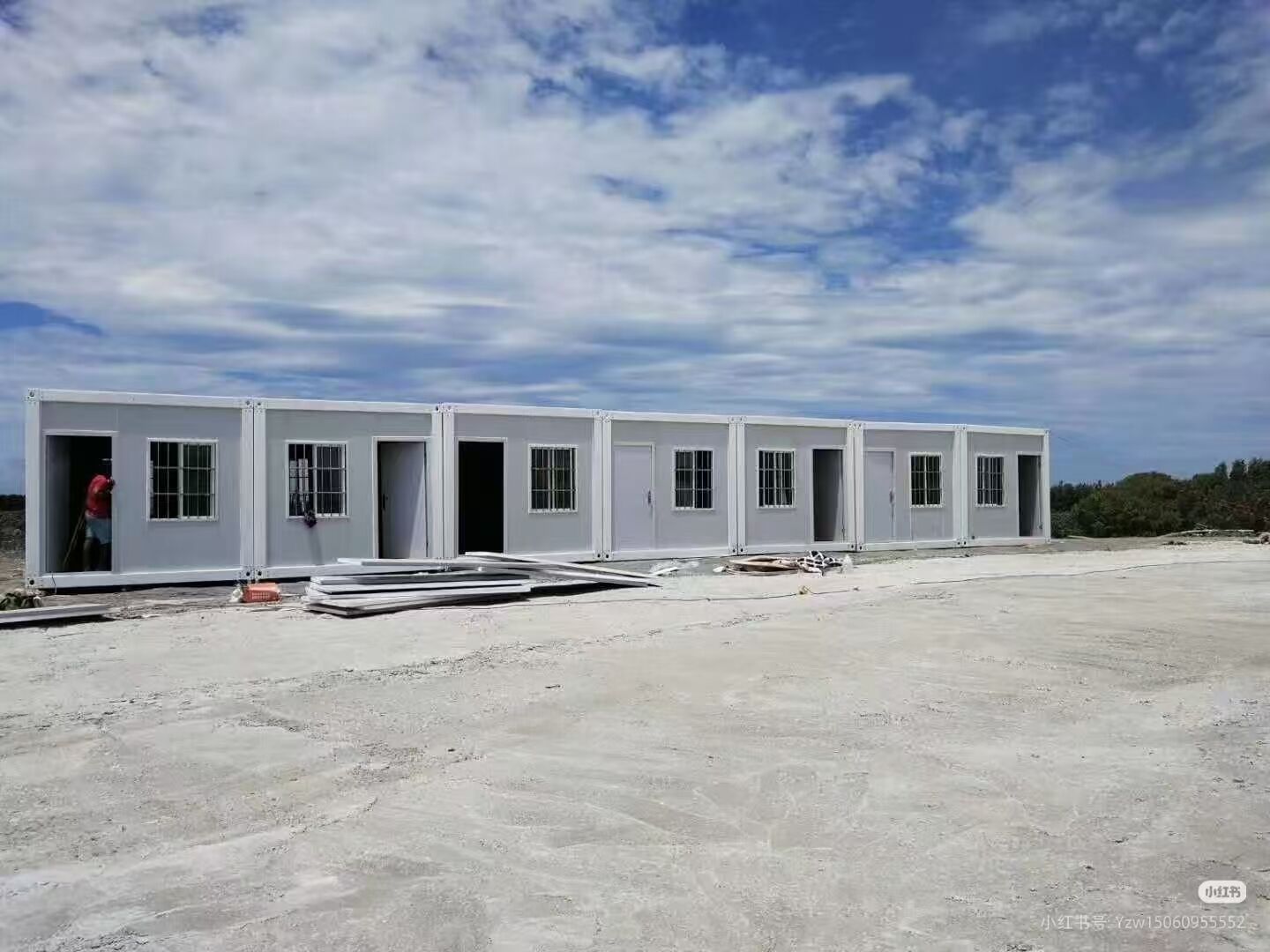
Rapid Deployment and Logistical Efficiency of Emergency Pack Container Shelter
60–75% Faster Setup vs. Traditional Emergency Housing
Field tests show that emergency container shelters go up about 60 to 75 percent quicker than standard emergency housing options according to reports from major disaster relief groups. Why? These shelters come with ready-made parts that cut out all the onsite work like building frames, waterproofing surfaces, and putting together custom pieces. Traditional tents need lots of hands-on assembly, but these units have built-in structural supports, insulation already installed at the factory, plus those clever interlocking parts that fit together easily. Imagine what difference it makes when a small crew can set up twenty shelters in just four hours instead of spending sixteen or more hours on old style solutions. That kind of speed matters most during those first seventy-two hours after a disaster hits, because getting people inside fast actually saves lives by reducing health risks from being exposed outside. Plus, everything is made from lightweight composites, components come in different colors so folks know where things go, and each kit includes all necessary tools. No special training needed, no heavy machinery required. This means rescue workers can spend their valuable time on other urgent tasks like sorting injuries, handing out supplies, and coordinating life-saving efforts while minutes literally tick away.
ISO Standardization Enables Seamless Transport, Stacking, and Multi-Site Scalability
Emergency pack container shelters come in standard sizes according to ISO 668 specifications for both 20 foot and 40 foot models. These containers work great around the world because they fit onto regular cargo ships, trains, and flatbed trucks without causing those headaches we all know from dealing with special transport needs for irregular relief housing. The corners are reinforced so these units can be stacked vertically up to nine high, which saves precious ground space in cities hit by disasters where available area shrinks about 40% after major incidents occur. Being able to stack them this way makes storage easier too and gets things moving faster when needed. What really matters though is that sticking to ISO standards means organizations can set up exactly the same shelter arrangements at multiple spots worldwide using familiar procedures for transportation, setup on site, and putting everything together. This cuts down on mobilization time by roughly two-thirds compared to building shelters from scratch or mixing different materials, plus the container system lets rescue teams move equipment effortlessly from one disaster location to another as situations change.
All-Climate Durability and Certified Weather Resistance
Emergency pack container shelters deliver proven, standards-backed resilience across environmental extremes—ensuring habitability, safety, and operational continuity when conventional structures fail.
Corten Steel Construction and -40ºC Insulation Meeting CSA Z240.30-22 Standards
The frames of these shelters are made from Corten steel that weathers nicely over time, developing a protective rust layer that doesn't require those expensive maintenance coatings or corrosion inhibitors most buildings need. When paired with walls filled with aerogel material, the whole system meets the CSA Z240.30-22 standard which is basically Canada's gold seal for energy efficiency in prefabricated structures. Real-world tests during brutal polar vortex events have shown people can stay inside comfortably even when temperatures drop to minus 40 degrees Celsius. The insulation keeps about 98% of the heat in there, so no worrying about condensation forming on walls or dangerous ice dams building up on roofs like happens so often with cheaper shelters that just aren't built to handle extreme cold.
Passive Ventilation and Dual-Layer Thermal Envelope for Extreme Cold and Humidity Resilience
A cross-flow ventilation system built right into the roof helps manage indoor moisture levels without needing any electricity or moving parts. This system pairs well with walls that have two layers including special membranes which let moisture escape from inside but keep outside humidity out. During tests simulating heavy rains, these shelters kept their interior humidity under 45 percent even when it was 90 percent saturated outside. That kind of control matters a lot for hospitals where infections spread easily and for places where people stay for long periods without getting mold problems. The walls also contain phase-change materials that act like thermal shock absorbers. These materials handle daily temperature changes as big as 30 degrees Celsius without requiring extra energy, so the inside stays comfortable regardless of what's happening outside.
Modular Customization for Mission-Critical Disaster Response Functions
Field-Reconfigurable Interiors: From Medical Triage Units to ADA-Compliant Living Spaces
What really makes emergency pack container shelters stand out is how they can be reconfigured on site. These containers come with movable walls, standard mounting systems, and ready-to-use power points that let them change from medical triage areas with special decontamination sections to living spaces that meet accessibility standards complete with roll-in showers. The whole process takes just a few hours at most. Take a real-world scenario: an area might start off as temporary hospital space during a crisis, then later become housing as things settle down. The electrical, water, and heating systems are all set up using common connection standards so critical gear like isolation rooms, cold storage for medicines, or telemedicine setups can be plugged right in without any extra work. Every setup follows strict building codes for safety and protection against harsh conditions. When different departments combine everything they need into these versatile containers instead of relying on separate specialized buildings, the savings add up fast. Studies show around 30 to 40 percent less spending overall compared to traditional methods. And this kind of adaptability becomes absolutely essential when dealing with complex situations where multiple disasters happen at once, like when a hurricane hits while there's also a virus spreading through the population.
Regulatory Compliance and Interoperability Across Emergency Management Frameworks
Emergency pack container shelters have been designed specifically to get regulatory green lights quickly and work smoothly across different agencies when disaster strikes. These shelters comply with important standards like NFPA 1600 for continuity management and FEMA's CPG 101 guidelines, which really helps speed things up during those critical moments when every second counts. The way they're built includes standard connections for data and utilities that fit right into the incident command systems most organizations already use. Think public health departments, parts of the Department of Homeland Security, and local emergency management teams. This kind of compatibility actually makes a big difference because it stops different groups from talking past each other. When everyone can share information through common platforms like the Common Operating Picture system, coordination becomes much easier during complicated emergencies involving multiple organizations. By aligning with national preparedness frameworks, these shelters help maintain compliance requirements across various industries including healthcare facilities following CMS rules, power companies under NERC regulations, and transportation networks. At the same time, they still retain enough flexibility to handle situations where multiple jurisdictions need to work together seamlessly.
FAQ Section
What makes emergency pack container shelters quicker to set up than traditional emergency housing?
These shelters come with ready-made parts and built-in structural supports, significantly reducing the time needed for assembly compared to conventional tents that require hands-on assembly.
How do ISO standards benefit the transportation of emergency container shelters?
ISO standard sizes ensure these containers can be transported seamlessly using regular cargo ships, trains, and trucks, without the need for special logistics, facilitating rapid deployment in disaster areas.
Are emergency pack container shelters suitable for extreme weather conditions?
Yes, they offer proven resilience against environmental extremes, including temperatures as low as -40ºC, thanks to Corten steel construction and advanced insulation materials.
Can the interiors of these shelters be customized for different needs?
Yes, they feature field-reconfigurable interiors that can adapt to different functions such as medical triage units or ADA-compliant living spaces, depending on the situation.
How do emergency pack container shelters ensure regulatory compliance?
These shelters align with national preparedness frameworks and comply with standards like NFPA 1600, facilitating seamless integration with existing emergency management systems.
Table of Contents
- Rapid Deployment and Logistical Efficiency of Emergency Pack Container Shelter
- All-Climate Durability and Certified Weather Resistance
- Modular Customization for Mission-Critical Disaster Response Functions
- Regulatory Compliance and Interoperability Across Emergency Management Frameworks
-
FAQ Section
- What makes emergency pack container shelters quicker to set up than traditional emergency housing?
- How do ISO standards benefit the transportation of emergency container shelters?
- Are emergency pack container shelters suitable for extreme weather conditions?
- Can the interiors of these shelters be customized for different needs?
- How do emergency pack container shelters ensure regulatory compliance?