 EN
EN
Scalable Growth: How Expandable Container Houses Support Life Stage Changes
Family Expansion and Lifestyle Shifts Driving Demand for Scalable Housing
Family life keeps changing as people's lives evolve, which means more folks need homes that can adapt too. When families expand by having kids, bringing grandparents into the fold, or when someone starts working from home full time, regular houses tend to become cramped pretty quickly. That usually leads to expensive fixes or even moving somewhere else entirely. Container homes offer a different approach because they can be expanded easily. Just add another module whenever needed, no need to pack up and leave. According to some research released last year, around two thirds of families today actually care more about being able to rearrange their living space than sticking with whatever layout came with the house originally. This matters particularly for those big blended families and workers who travel a lot for business. At the end of the day, what we're really talking about here is creating homes that actually keep pace with our lives instead of forcing us to adjust to outdated designs.
Modular Interlocking Systems Enable Phased, Low-Disruption Expansion
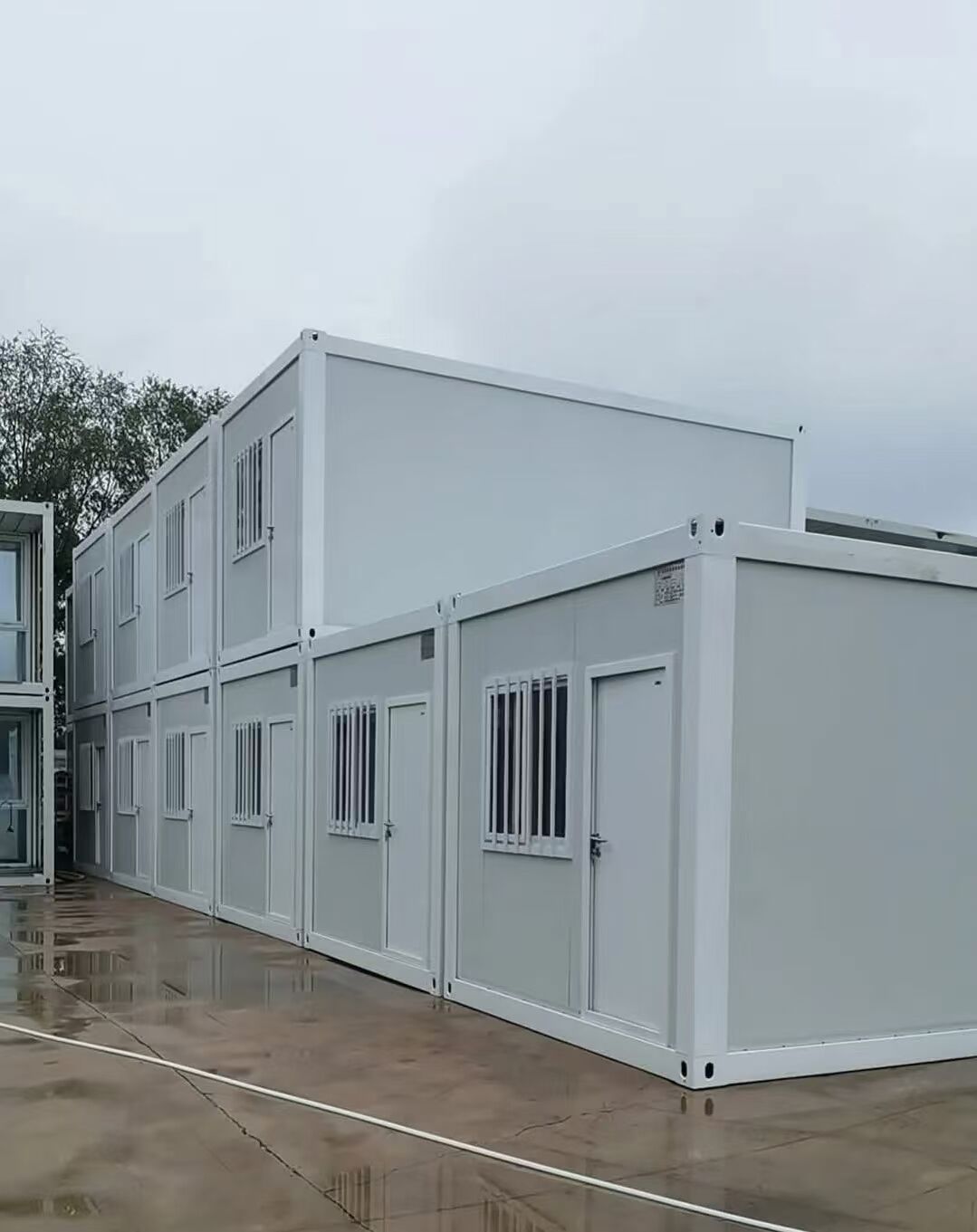
The cleverly designed interlock systems really bring phased expansion within reach for most people. With standardized connectors, folks can actually install new modules over the weekend or when they're away on vacation without tearing things apart or dealing with all that scaffolding stuff nobody wants around. What makes this work so well? Bolt on those wall panels without needing any welding skills, plug in ready-made electrical and plumbing conduits, and get proper weather sealing between sections to keep everything warm and structurally sound. Traditional home additions usually take about 6 to 8 weeks and turn your house into a construction site nightmare. But these modular expansions? They often finish in less than 10 days flat. The corners where pieces connect are tested way beyond what's needed too - we're talking 150% of normal load capacity here. Safety first always. This kind of system lets families grow their homes smartly and affordably. Think about putting in a nursery room right before baby arrives, then maybe another expansion down the road as kids get bigger or hobbies develop. All of this happens while regular living continues pretty much normally.
Real-World Example: 2-Bedroom to 4-Bedroom + Home Office in Under 3 Months
A documented Colorado project illustrates this scalability in action. Starting from a 320 sq ft core unit, homeowners added two expandable modules across three coordinated phases:
- Weeks 1–3: East-wing addition (master bedroom + ensuite)
- Weeks 4–6: North-wing expansion (two children’s bedrooms)
- Weeks 7–12: Attached soundproofed office pod
There was no need for anyone to move out during construction. Labor hours dropped around 60 percent compared to what's typical for traditional home additions, according to data from the Modular Construction Association released last year. Costs came down by approximately forty-two thousand dollars as well. What does all this mean? Container homes aren't just theoretical concepts anymore. They actually work for people going through life changes. Think about couples starting out in small spaces who later want something bigger but still practical. These modular solutions let families grow without breaking the bank or dealing with endless delays. Plus, everything stays stable throughout the process.
Personalized Living: Customization of Layout, Accessibility, and Climate Response
Tailoring Expandable Container Houses for Diverse Users (Seniors, Remote Workers, Multi-Gen Households)
Container houses that can expand aren't just about changing sizes either they really take into account how diverse people need their living spaces to be. Older folks find things like doorways without steps, those strong handrails in bathrooms, and wide open floor plans super helpful for staying safe at home as they get older. People who work from home appreciate having their own little office corner away from the rest of the house where nobody disturbs them while they're on Zoom calls all day long. These offices usually come with good lighting and all the right spots for computers and cables so nobody has to deal with messy wires everywhere. Families with multiple generations living together love being able to set up separate bedrooms but still have common areas like kitchens and living rooms where everyone can hang out together when they want to. According to the National Housing Survey released last year, around three quarters of potential buyers say flexible floor plans matter a lot to them now. So basically these kinds of homes aren't just reacting to what people need today they seem to be guessing what needs will come next in someone's life.
Non-Structural Reconfiguration via Standardized Interfaces: Walls, Entries, and Energy-Efficient Glazing
The real magic of adaptable spaces comes from features that don't need major renovations. With standardized building interfaces, homeowners can completely rearrange their living space within hours instead of waiting weeks for contractors. Take those interchangeable wall panels we've been seeing lately—they work wonders when someone wants to switch from a home office setup to hosting guests or creating a dedicated play area for kids. When it comes to climate control, modern homes have something special going on too. Triple glazed windows slash heat transfer by around 40 percent compared to regular ones according to Energy Efficiency Journal last year. And there's this amazing electrochromic glass technology now that darkens automatically based on sunlight levels, which means less strain on heating and cooling systems all year long. Plus, smart placement of entry points creates better airflow through the house. Those wide doorways without thresholds aren't just good for people with mobility challenges either—they actually help maintain proper insulation and keep drafts out as well.
Functional Versatility: Repurposing Expandable Container Houses Across Use Cases
From Primary Residence to Hybrid Functions: ADU, Creative Studio, or Rental Unit
Container homes that expand are changing what we think about living spaces versus work areas. What starts as someone's main residence can become an accessory dwelling unit, vacation rental spot, or artist's workshop within just a few weeks instead of taking months to build something new. The standardized construction means people can actually move walls around to make quiet offices or wide open creative spaces. Plus there are built-in connections for power hungry stuff like pottery kilns, music production setups, even some medical equipment if needed. For folks stuck in expensive city neighborhoods where housing is scarce, these adaptable containers solve two big problems at once. Homeowners get extra money from rentals while still keeping their own space intact, no need to pack up and move somewhere else or invest in completely new buildings.
Future-Proof Utility Backbone Design Enables Seamless Functional Shifts
What makes these spaces truly adaptable over time is their built-in utility framework. The electrical work, pipes, and heating/cooling systems all come with standard connections right from day one, making it easy to change how the space gets used without tearing things apart. Need to turn this place into something else? Maybe a small health center, classroom setup, or even a short term shop? No problem. Just plug in different components through those ready made channels and connect whatever equipment works for the new purpose. We're talking about actual modular power boxes that handle heavy duty electricity needs, water lines that can be rearranged as needed, plus inverters that are already set up to work with solar panels. A recent report by the Modular Building Institute shows that buildings with this kind of flexible infrastructure cost between 60 to 75 percent less when they need retooling compared to regular buildings. This means what were once just temporary solutions have become something much better - lasting investments that stand up financially for many years.
FAQ Section
Why are expandable container houses suitable for families?
Expandable container houses are perfect for families because they offer flexibility for growing space needs without the hassle of moving or costly renovations. Families can easily add modules to accommodate changes like new family members or lifestyle shifts.
How do modular interlocking systems work in container homes?
Modular interlocking systems in container homes use standardized connectors, allowing homeowners to add new modules quickly and efficiently. This process avoids the typical disruptions of traditional constructions and can be completed in days rather than weeks.
Can expandable container houses be customized for specific needs?
Yes, expandable container houses can be customized for diverse user needs, including seniors, remote workers, and multi-generational households. They offer personalized solutions like accessibility features, flexible floor plans, and designated workspaces.
Are expandable container houses suitable for different functions beyond living spaces?
Expandable container houses are versatile and can be repurposed into different functions like accessory dwelling units (ADU), creative studios, or rental units. Their adaptable nature allows them to shift functions with minimal cost and effort.