
 EN
EN
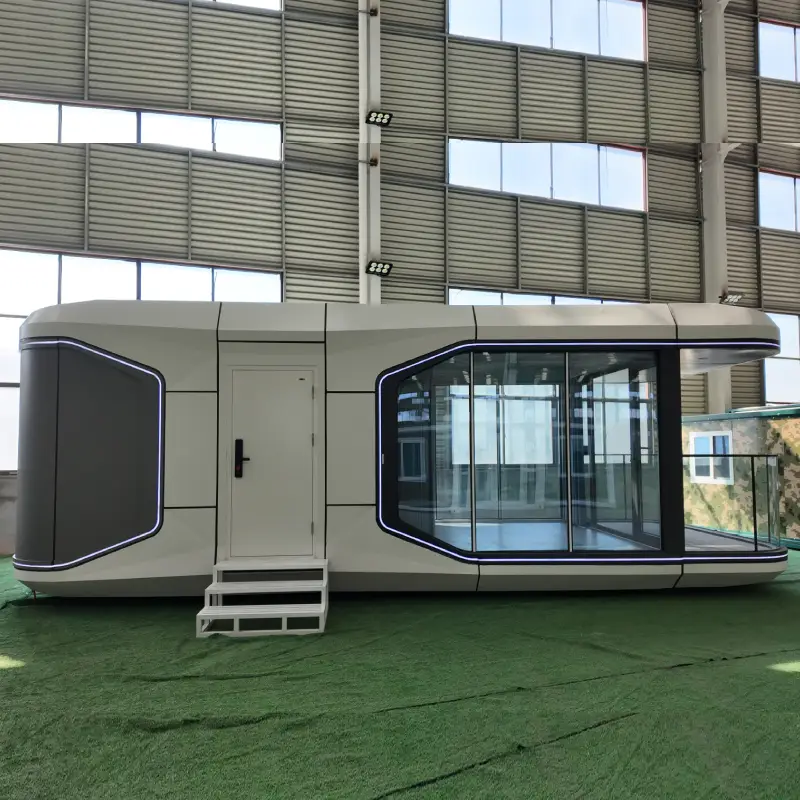
Understanding the Surge in Demand for Fast Construction Solutions
The combination of growing cities and worsening climate problems has pushed us to find fast housing fixes we've never needed before. Container houses that snap together quickly are solving these issues pretty well actually, getting people into their homes about three quarters faster compared to regular construction methods on site. Speed matters a lot during disasters. Take Hurricane Fiona back in 2023 where they put up around six thousand four hundred of these modular shelters. And let's not forget there's still this massive gap every year for about four and a half million new homes just within G20 countries alone.
How 'Quick Construction Time' Redefines Housing Expectations
Traditional builds averaging 9–12 months are now compressed to just 8–12 weeks through three key innovations:
- Factory Precision – Up to 85% of assembly occurs off-site before modules reach their destination
- Weatherproof Scheduling – Eliminates 23% of delays typically caused by rain or snow
- Labor Optimization – Requires only 11 worker-days versus 48 for traditional construction
This shift transforms housing from a long-term capital project into an on-demand solution—families can now expect move-in readiness within a single billing cycle.
Data Insight: Construction Efficiency Breakthroughs
| Metric | Traditional Build | Container House | Improvement |
|---|---|---|---|
| Average Build Time | 9.3 months | 3.7 months | 60% faster |
| Labor Hours/Square Ft | 6.2 | 2.1 | 66% reduction |
| Weather Delays | 28% projects | 4% projects | 6x reliability |
Source: Modular Building Institute 2023 Industry Report
These gains allow developers to rotate capital 2.4 times per year while meeting International Building Code (IBC) standards—proving that speed does not compromise quality, thanks to ASTM-certified modular engineering practices.
The Engineering Behind Quickassembly: Modular Design and Prefabrication
Modular Design and Quick Construction as Core Engineering Principles
Quickassembly container houses use modular design to achieve rapid deployment, with pre-engineered steel frames and wall panels fabricated off-site. This eliminates up to 85% of on-site cutting and welding. Standardized roof and floor modules are manufactured using automated systems, ensuring precision fit and seamless integration during installation.
Factory-Based Assembly: Reducing Build Time and Labor Costs Through Controlled Environments
When around 90% of construction work happens inside factories instead of out in the elements, construction projects escape those pesky weather delays and cut down on labor expenses too maybe somewhere around 40%. The foundation gets laid at the actual site while all sorts of building components are going up inside climate-controlled facilities where electricians and plumbers have already done their part ahead of time. A recent industry report from 2023 points out something pretty interesting about this approach it can slash how long it takes to finish a home anywhere between half to almost three quarters compared to traditional methods. That kind of speed makes modular construction really attractive for developers looking to get properties ready faster without breaking the bank.
Integration of Standardized Components for Seamless On-Site Integration
Universal connectors and pre-tested components ensure rapid, error-free assembly:
| Component | Traditional Build | Modular Build |
|---|---|---|
| Wall Installation | 3–5 days | 4 hours |
| Roof Assembly | 7–10 days | 6 hours |
| Quality Checks | On-site | Factory |
Modules interlock within ±2mm tolerance, minimizing adjustments and rework on-site.
Role of Prefabricated Container Homes in Minimizing On-Site Labor
Prefabrication reduces on-site crews by 60–80%, as modules arrive fully equipped with insulation, windows, flooring, and utilities. Final assembly is completed in hours rather than weeks, helping overcome labor shortages without sacrificing structural integrity. A 1,200 sq ft quickassembly container home can go from delivery to occupancy in under two days.
Real-World Speed: Case Studies in Rapid Deployment of Quickassembly Container Houses
Emergency Housing Deployment in Disaster Zones Using Modular Container Homes
When Hurricane Elena hit last year, it forced around 12,000 people out of their homes. Within just three days, relief organizations managed to get 500 modular container homes on site and ready for living. These containers came fully insulated with all the necessary utilities already installed inside, so folks actually had proper shelter much quicker than anyone could set up those flimsy tent cities we usually see after disasters. According to some research published recently in the Disaster Relief Housing Report from 2024, using containers like this cuts down recovery time by almost three quarters when compared to old fashioned approaches. Makes sense really since most traditional shelters take forever to assemble properly.
Rapid Construction of Container Homes for Remote Workforce Accommodations
A mining consortium in Western Australia housed 200 workers in just 15 days using quickassembly container homes—a timeline unachievable with brick-and-mortar construction, which would require over six months. Pre-integrated plumbing and electrical systems reduced on-site labor costs by half, making this model standard for remote industrial sites.
Urban Micro-Housing Project Completed in Under 48 Hours Using Prefab and Modular Construction
In Tokyo’s Shinjuku district, a 12-unit micro-apartment complex for students was assembled in 47 hours. Factory-built finishes and standardized connectors enabled an 85% faster build than conventional urban developments. With 70% fewer on-site workers, the project minimized disruption in a densely populated area.
Client Testimonial: From Delivery to Occupancy in One Day
A project lead from a geothermal startup told us their team was already working out of the container offices later that day after delivery. "We got the containers lifted into position around 8 in the morning," he explained, "hooked them up to our power system by lunchtime, and had everything running smoothly before dinner." The speed of setup really shows what these rapid assembly systems can do for projects facing unpredictable weather or slow moving contractors on the job site.
Overcoming Challenges: Balancing Speed with Structural Integrity and Logistics
Controversy Analysis: Are faster builds compromising structural integrity?
Some people wonder if speeding things up affects how long these structures last. But wait, there's evidence against that concern. Third party tests actually indicate that today's fast built container homes either match or beat safety requirements by about 15 percent, as reported by the Modular Building Institute back in 2023. The reason? These buildings rely on cross braced steel frames plus automated welding techniques that really hold up under stress. And before anything gets put together, every single part must pass ISO 1461 certification for resisting rust and handling weight properly. Makes sense why many builders prefer this approach despite what skeptics might say.
Transportation efficiency and compact packaging: Maximizing site accessibility
When it comes to shipping prefabricated container homes, manufacturers have figured out some smart ways to cut down on transportation expenses. According to data from the 2024 Global Prefab Report, these homes can actually save around 40% on shipping costs when compared with regular building materials. The secret lies in how everything is packed together. Engineers design things so walls can fold up, floors and ceilings stack neatly on top of each other, and all sorts of components fit inside one another like Russian nesting dolls. This clever packing allows construction teams to deliver these homes even to places where traditional trucks would struggle. Think about those tough spots like steep mountainsides or tight alleyways between old buildings in cities.
On-site assembly process: Steps from foundation to locking modules
Precision engineering enables an efficient 8-step installation:
- Graded concrete piers or screw pile foundations
- Crane placement of base modules (30 minutes per unit)
- Interlocking corner castings with self-aligning bolts
- Roof truss connections using pre-tensioned cables
- Seam welding at 12 strategic stress points
- Insulation and interior partition installation
- Utility hookups through pre-routed conduits
- Final inspection and occupancy certification
An urban housing initiative demonstrated this process by assembling 20 living units in 47 hours with 60% less waste than traditional construction, as documented in the 2023 Sustainable Housing Report.
The Future of Fast-Build Housing: Trends and Strategies for Scaling Quickassembly Container Houses
Growing Adoption of Modular and Scalable Container Home Designs in Urban Planning
Cities like Tokyo and Barcelona are integrating expandable container units into high-density zoning plans, achieving 40% faster development cycles. These designs support mixed-use communities with embedded green spaces and scalable infrastructure, helping municipalities respond to population growth without sacrificing sustainability.
Innovations in Smart Materials Reducing Container House Construction Time
Material science breakthroughs continue to speed up construction schedules across the industry. One example is phase change insulation that adapts to seasonal temperature changes, cutting down heating and cooling demands by around a quarter according to field tests. The market has also seen self healing concrete coatings gain popularity because they eliminate those annoying maintenance interruptions during projects. A recent paper from 2024 looked at composite materials and found that steel reinforced with graphene actually holds up against earthquakes about 18 percent better than regular construction methods. And let's not forget about the new generation of wall systems that are both stronger and lighter weight. These innovations make connecting building modules much easier and significantly cut down on transportation costs when moving components between sites.
Market Forecast: Global Prefab Container Homes Market to Grow at 8.3% CAGR Through 2030
Analysts project the prefabricated container housing market will reach $89 billion by 2030, driven by:
- Cost compression: Factory automation has lowered per-unit production costs by $7,200 since 2022
- Regulatory tailwinds: 14 countries now offer tax incentives for modular builds meeting carbon-neutral standards
- Supply chain optimization: Regional material hubs have reduced lead times from 11 weeks to 6 days
Optimizing Supply Chain Coordination for Just-in-Time Module Delivery
Leading manufacturers have started implementing blockchain technology for tracking purposes, which helps align their production schedules with actual shipping information as it happens. Companies report that this method can reduce the amount of stuff stored at construction sites by around three quarters, while also helping avoid those frustrating weather delays thanks to smarter route planning ahead of time. Take Canada's recent test case for instance: some construction sites used cranes powered by artificial intelligence and managed to hit nearly perfect delivery rates, getting materials unloaded and placed where needed within tight 15 minute slots most of the time. These results are starting to reshape expectations about what's possible when it comes to timing deliveries right down to the minute in construction projects.
FAQ
What are quickassembly container houses?
Quickassembly container houses are modular homes that can be constructed rapidly due to prefabrication, reducing the typical build time from several months to a few weeks.
How do quickassembly homes affect construction costs and labor?
These homes lower construction costs and reduce labor needs significantly by off-site assembly and prefabrication, which minimizes weather delays and on-site work.
Are these rapid builds safe and durable?
Yes, quickassembly homes meet or exceed safety standards, utilising robust materials and modular engineering to ensure structural integrity.
Can quickassembly container homes be used in disaster situations?
Yes, they have been proven effective in emergency scenarios, providing fast, reliable housing following events like hurricanes and other disasters.
What future trends are anticipated in modular construction?
The industry expects growth with improved smart materials and expanded urban planning incorporating modular homes, leading to a faster, cost-effective building cycle.
Table of Contents
- Understanding the Surge in Demand for Fast Construction Solutions
- How 'Quick Construction Time' Redefines Housing Expectations
- Data Insight: Construction Efficiency Breakthroughs
- The Engineering Behind Quickassembly: Modular Design and Prefabrication
-
Real-World Speed: Case Studies in Rapid Deployment of Quickassembly Container Houses
- Emergency Housing Deployment in Disaster Zones Using Modular Container Homes
- Rapid Construction of Container Homes for Remote Workforce Accommodations
- Urban Micro-Housing Project Completed in Under 48 Hours Using Prefab and Modular Construction
- Client Testimonial: From Delivery to Occupancy in One Day
- Overcoming Challenges: Balancing Speed with Structural Integrity and Logistics
-
The Future of Fast-Build Housing: Trends and Strategies for Scaling Quickassembly Container Houses
- Growing Adoption of Modular and Scalable Container Home Designs in Urban Planning
- Innovations in Smart Materials Reducing Container House Construction Time
- Market Forecast: Global Prefab Container Homes Market to Grow at 8.3% CAGR Through 2030
- Optimizing Supply Chain Coordination for Just-in-Time Module Delivery
- FAQ