
 EN
EN
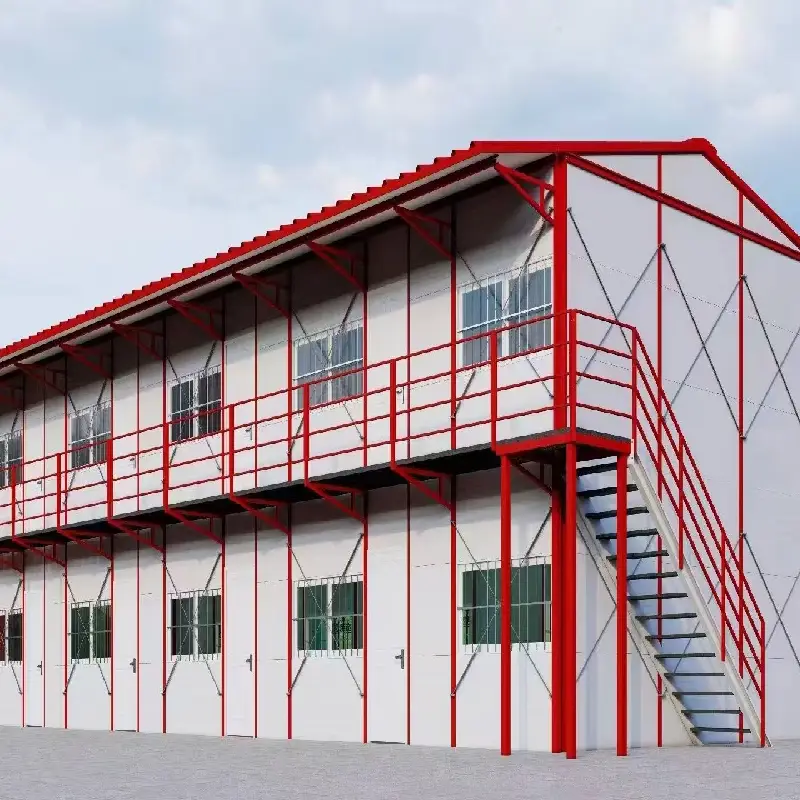
Structural Integrity of Movable Prefabricated Container Houses
Inherent Strength of Shipping Containers as Building Blocks
Shipping containers make really strong building blocks thanks to their steel frames that can handle about 60,000 pounds of weight when stacked on ships for transportation across oceans. The walls are made from 14-gauge Corten steel which doesn't bend easily under pressure, and those wavy corrugated panels actually help make the whole structure stiffer. A recent report from the Modular Construction industry in 2024 found something interesting too. Container homes built this way can stand up against winds blowing at around 120 miles per hour, which is roughly 35 percent better than what most regular wooden houses can manage. Makes sense why so many people are getting excited about repurposing these massive boxes into living spaces nowadays.
Engineering Advances in Modular Structural Design
Modern prefabrication techniques address historical weaknesses in container architecture:
- Interlocking mechanisms: Laser-cut connectors create seamless joins between modules
- Seismic reinforcements: Diagonal bracing systems improve earthquake resilience
- Load redistribution: Engineered base frames prevent concentrated stress points
These innovations enable movable container houses to meet IECC 2021 standards for commercial buildings despite their portability.
Case Study: High-Performance Use in Military and Remote Locations
A defense department trial deployed 87 container units in Alaska's Arctic Circle (2022–2024), demonstrating extreme durability:
- Zero structural failures at -58°F
- 100% survival rate during 150 mph blizzards
- 40% faster deployment compared to traditional barracks
This confirms the viability of prefabricated container structures in mission-critical environments requiring rapid setup and long-term reliability.
Design Strategies for Stability in Extreme Conditions
Three key approaches optimize stability in harsh climates:
- Anchored foundations: Helical piers ensure secure installation on unstable soils
- Aerodynamic shaping: Angled roofs reduce wind uplift forces by 27%
- Moisture management: Thermal breaks prevent condensation during humidity swings
Structural engineers now recommend redundant load paths—using multiple welded connections instead of single bolt points—to maximize longevity in mobile applications.
Durability Across Climates: Performance in Harsh Environments
Modern movable prefabricated container houses achieve remarkable climate resilience through advanced engineering and material science. These structures are designed to perform reliably in coastal, arid, and subarctic environments—conditions where traditional construction often underperforms.
Weather Resistance in Coastal, Arid, and Cold Climates
When it comes to coastal installations, engineers typically turn to special alloys that resist corrosion because salt air is responsible for roughly one quarter of all early equipment failures. Most modern installations these days (around four out of five) use Corten steel which actually creates its own protection against rust when it gets wet. Now over in dry regions where dust storms are common, applying certain protective coatings cuts down on surface wear by about two thirds. And let's not forget about places where temperatures drop below freezing point. Equipment designed for extreme cold often features triple glazed windows along with specially constructed frames that keep things working properly even at forty below zero Fahrenheit while preventing those annoying condensation problems inside the building.
Impact of UV Exposure, Humidity, and Temperature Fluctuations
UV radiation causes 42% of polymer-based sealants to fail within five years in tropical climates. New polyurea roof coatings demonstrate 98% UV reflectance in accelerated aging tests, significantly outperforming traditional acrylics. To manage high humidity, vapor-permeable membranes allow moisture escape while blocking mold growth—essential in regions averaging over 90% relative humidity.
Wind and Storm Resilience: Real-World Testing and Results
Container homes have been validated under 150 mph hurricane-force winds, with intermodal locking mechanisms preventing racking deformation. A 2022 Gulf Coast case study recorded zero structural failures across 17 tropical storms when using updated wind-resistant framing techniques. Anchoring systems now support up to 125 psf uplift forces—35% above most regional requirements.
Corrosion Protection and Long-Term Material Maintenance
Why Steel Structures Are Vulnerable to Rust
Steel corrodes due to an electrochemical reaction between iron, oxygen, and moisture. This process accelerates in humid environments (above 60% RH) and coastal areas with salt exposure. Industrial pollutants and acid rain further degrade unprotected surfaces, with uncoated steel losing 0.5–1.2 mm annually in aggressive conditions.
Use of Corten Steel and Other Corrosion-Resistant Materials
Corten steel develops a stable rust-like patina that acts as a barrier against deeper oxidation, lasting 4–6 times longer than carbon steel in salt spray testing. Manufacturers also use aluminum-zinc coatings like Galvalume and stainless-steel hybrids, which reduce corrosion rates by 87% in coastal simulations.
Protective Coatings and Anti-Rust Treatment Options
Modern protection systems combine epoxy primers (6–10 mil thickness) with polyurethane topcoats for durable, UV-resistant barriers. Zinc-rich paints provide cathodic protection, degrading at just 1.5–3 microns per year. For heavy-duty applications, thermal-sprayed aluminum (TSA) coatings have shown over 25 years of performance in accelerated weathering tests.
Routine Maintenance Practices to Extend Lifespan
- Bi-annual inspections: Identify coating cracks exceeding 3 mm using ASTM D7091 standards
- Salt removal: Quarterly pressure washing (₱1,500 psi) for coastal units
- Touch-up protocols: Apply zinc-rich primer within 24 hours of exposing bare metal
- Climate-specific care: Desiccant packs in humid zones; de-icing sprays in snow-prone areas
A 2023 survey of 120 container home owners found consistent maintenance doubled average lifespan—from 15 to over 30 years—in temperate climates.
Foundation and Site Preparation for Maximum Stability
Choosing the Right Foundation Type for Mobility and Load
Movable container houses require foundation solutions that balance mobility with load-bearing capacity. Concrete pads suit permanent installations, screw piles work well on uneven terrain, and compacted gravel beds support temporary setups. A 2024 study found soil testing and load simulations reduced foundation defects by 74% in modular builds. Key factors include:
- Weight distribution (a standard 20-foot container weighs ~5,000 lbs empty)
- Frost line depth in cold climates
- Anchor requirements in hurricane-prone zones
Site Grading, Drainage, and Moisture Control
Proper site grading ensures a minimum 2% slope away from the structure to prevent water pooling. Perimeter French drains filled with washed gravel (1–2" diameter) effectively redirect runoff. In coastal areas, moisture-resistant vapor barriers beneath foundations reduced corrosion rates by 63% in a 2023 housing study.
Climate-Specific Installation Considerations
When working in places where permafrost exists, it's important to install helical piers at least four to six feet beneath the frost line so they don't shift around. Down in desert climates, engineers often turn to thermal break foundation pads because these help cut down on heat moving through the ground. For those living in tornado alley, nothing beats steel ground anchors designed to hold up against winds going over 150 miles per hour straight on. And let's not forget about checking what kind of dirt we're dealing with locally either. Clay rich soils tend to settle differently, so wider foundation pads become necessary to keep structures stable over time. Soil assessment really matters when planning any construction project.
Roof Waterproofing and Longevity Optimization
Common Causes of Roof Leaks in Container Homes
Roof leaks typically stem from three issues: compromised seam welds, fatigue from repeated thermal expansion, and inadequate slope design. Research indicates 42% of roof failures result from drainage systems unable to handle rainfall exceeding 3 inches per hour, based on Miami-Dade TAS 110 testing (2024).
Effective Insulation and Waterproof Coating Solutions
Water proofing solutions like elastomeric membranes and spray applied polyurethane coatings work pretty well against water getting in, around 90% effective if they get proper maintenance as FM Global noted back in 2023. Add to that installation techniques tailored for specific climates and we see a big drop in leaks too, somewhere around 68% less frequent according to last year's Building Strategies Report. To keep these systems performing over time, regular checks once a year plus recoating every five to seven years makes all the difference. The Long Term Protection Guide actually recommends this routine maintenance schedule to ensure these waterproof barriers last at least twenty years before needing replacement.
Innovative Roof Designs for Enhanced Elemental Protection
Sloped standing-seam roofs and modular green roof systems now redirect up to 85% of precipitation while reducing solar heat gain. A 2023 case study in hurricane-prone regions showed these designs, when paired with reinforced corner castings, remained structurally intact under 130 mph winds.
Linking Roof Integrity to Overall Container Home Lifespan
Proactive roof maintenance extends the service life of movable container structures by up to 30% by preventing secondary damage to insulation and electrical systems. Regular waterproofing accounts for less than 5% of total ownership costs but avoids 82% of moisture-related repairs, according to Durability Research (2024).
FAQ
What are the advantages of using shipping containers for building?
Shipping containers offer structural integrity due to their steel frames and Corten steel constructions, making them resistant to extreme weather conditions and ideal for repurposing as living spaces.
How do prefabricated container houses perform in extreme weather conditions?
Prefabricated container houses are designed to withstand harsh climates, featuring improvements like aerodynamic shaping, moisture management, and seismic reinforcements to ensure stability and safety.
What materials are recommended for preventing corrosion in container houses?
Materials like Corten steel and aluminum-zinc coatings are recommended for their corrosion-resistant properties, effectively reducing rust rates in moist and coastal environments.
How is roof integrity maintained in movable container homes?
Maintaining roof integrity involves using effective waterproof coatings, regular inspections, and innovative roof designs to prolong the lifespan and prevent moisture-related damage.
Table of Contents
- Structural Integrity of Movable Prefabricated Container Houses
- Durability Across Climates: Performance in Harsh Environments
- Corrosion Protection and Long-Term Material Maintenance
- Foundation and Site Preparation for Maximum Stability
- Roof Waterproofing and Longevity Optimization
- Common Causes of Roof Leaks in Container Homes
- Effective Insulation and Waterproof Coating Solutions
- Innovative Roof Designs for Enhanced Elemental Protection
- Linking Roof Integrity to Overall Container Home Lifespan
- FAQ