
 EN
EN
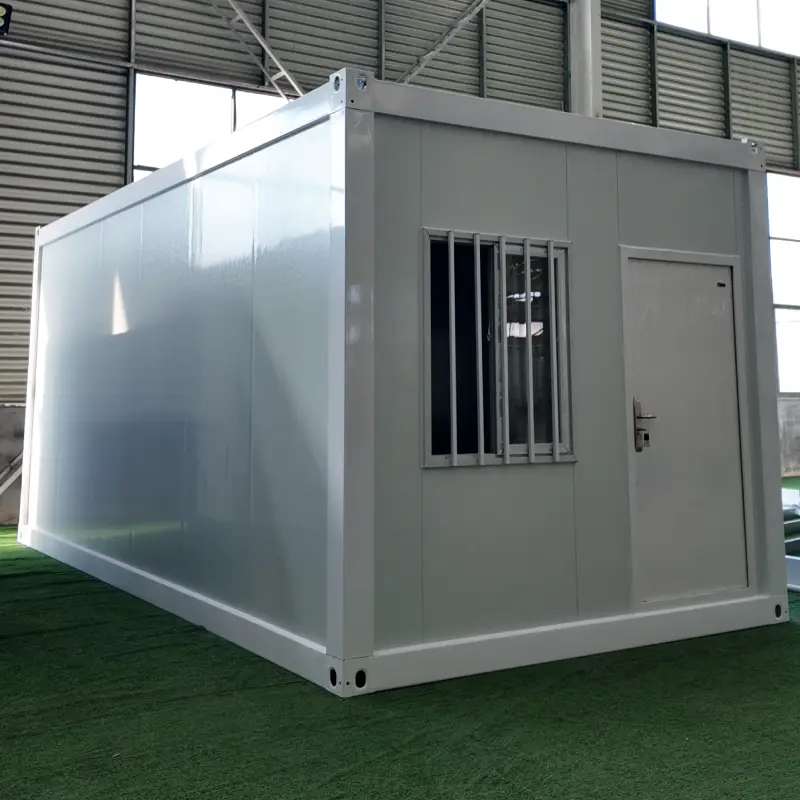
How Bulk Pack Container Housing Enables Seamless Intermodal Logistics
The bulk pack container system has completely changed how freight moves around the world thanks to its standard engineering approach and modular design principles. These containers follow the ISO 668 size standards which means cranes can grab and move them exactly the same way whether they're on a ship, train car, or truck bed without needing to repackage anything. The containers have those special corner castings that lock together plus strong steel frames that let them stack up to eight high. This stacking capability makes port yards much denser than traditional crates do, increasing storage capacity by about double. Because everything fits together so neatly, there's no need for workers to sort through different sized boxes anymore. At major ports such as Rotterdam, automated vehicles called AGVs zip around transferring these containers in less than ninety seconds per unit, cutting down labor expenses significantly over time. Some estimates suggest this automation saves roughly forty-five percent on personnel costs alone.
ISO Standardization and Modular Stackability for Automated Handling
Sticking strictly to ISO container specs makes everything work smoothly throughout the world's intermodal systems. The same corner fittings and outside measurements mean those big robotic straddle carriers can just grab containers and move them from ships to trains to trucks without anyone needing to adjust anything. When it comes to stacking containers on top of each other, the modular design works thanks to special patented locks that hold up against around 80,000 pounds pressing down vertically. This lets warehouses stack containers really high without worrying about collapse risks when they pile multiple tiers on top of each other. At fully automated ports, OCR technology scans container numbers and processes up to 54 units every hour, cutting down manual labor needs by almost three quarters according to recent figures. Industry folks are seeing loading times drop by nearly 40 percent too because standard shapes let machinery be set up ahead of time instead of fumbling around trying different configurations.
Reduced Port Dwell Time: Evidence from Southeast Asian Deployment
The numbers coming out of ports across Southeast Asia tell a pretty clear story about improved efficiency. Take Port Klang in Malaysia for instance. When they started using these bulk pack containers, the time ships spent waiting dropped dramatically—from around five and a half days down to just under two days, which is roughly a two-thirds cut in waiting time. They managed this by getting rid of those annoying cross docking delays and streamlining all the paperwork into one place. Now instead of dealing with piles of separate documents for each part of a shipment, customs gets everything in one go. Over in Vietnam during their busy export period, things got even better. The way these containers distribute weight evenly made cranes work much smarter. We're talking about cutting idle time on those big machines by almost half. Terminal managers have noticed something else too. Because these containers can stack so neatly, workers can load and unload at several different spots on a ship at once. This means vessels spend less time tied up in port without needing extra space or hiring more staff, which makes everyone happy.
Shipping Cost Reduction via TEU Optimization in Bulk Pack Container Housing
Nested and Foldable Designs Cut Container Consumption by Up to 62%
The bulk pack container design cuts shipping expenses significantly thanks to clever space optimization techniques. When containers are nested together or folded flat, they take up far less room when being returned empty, which means more goods can fit in each trip going out. These designs actually improve stacking efficiency by somewhere between 25% and 36%. That translates to about 3 full containers saved per ship journey. Mid-sized shipping companies could save over seven hundred forty thousand dollars every year just from these improvements, according to research published by Ponemon Institute last year. Beyond saving money on container rentals and avoiding those costly delays at ports, this approach also reduces the need for extra equipment since more cargo fits into fewer standard shipping units.
AI-Driven Load Planning for Near-Perfect Palletization Efficiency
Smart algorithms are now being used to figure out the best ways to pack bulk containers, getting close to maximum space usage at around 98.7%. That's way better than what most companies manage these days. When packing happens automatically, there's much less empty space floating around between items. This means things fit together more tightly inside ships and trucks, maybe about 12 to even 18 percent better than old-fashioned methods. What does this actually mean? Well, workers spend about 24 seconds less on each pallet during loading operations. And guess what else? There are 31% fewer complaints about damaged goods because everything stays put during transport. The containers don't shift around so much thanks to how evenly balanced they are loaded.
Enhanced Site-Side Efficiency Through Consolidated Bulk Cargo Handling
55% Fewer Handling Steps by Eliminating Unitized Onsite Assembly
The bulk pack container system is changing how we handle construction logistics these days. Instead of building everything piece by piece at the site, contractors now get full modules packed into containers ready to go. According to recent industry data from 2023, this method cuts down on material handling work by around half compared to what was standard before. When whole living spaces come already assembled inside those stackable containers, there's no need to take apart pallets, sort through individual parts, or do multiple stages of assembly on location. Just imagine cranes picking up the containers straight off trucks and placing them right onto foundations. This skips all that middle step stuff where materials sit around waiting. Labor time drops about 40% overall, and moving equipment back and forth gets reduced nearly two thirds. The result? Projects finish faster and workers face fewer safety risks during setup.
WMS Integration with Reusable, Stackable Bulk Pack Containers
Today's warehouse management systems work seamlessly with those reusable bulk containers thanks to built-in RFID chips and internet-connected sensors, creating these self-contained logistics networks. When all the containers have standard shapes, warehouses can automatically track inventory as things go out for delivery or come back from customers, which cuts down on paperwork mistakes around 78 percent according to industry reports. These containers are designed to stack neatly, giving about three times more storage space vertically compared to regular plastic bins. Plus, they're made from tough composite materials that hold up through at least 50 trips back and forth. With real-time tracking from the warehouse software, managers know exactly where each container is located, can spot potential damage before it becomes a problem, and schedule repairs before breakdowns happen. This approach means containers spend 67% less time sitting unused and saves companies about half their yearly spending on new containers. What starts as just temporary storage equipment ends up being valuable assets that keep working through multiple project cycles.
Frequently Asked Questions
Why are bulk pack containers important in intermodal logistics?
Bulk pack containers standardize size and stacking methods under ISO standards, enabling seamless transfers across various transportation modes without repackaging.
How do bulk pack containers reduce shipping costs?
Nested and foldable container designs optimize space, cutting down container consumption by up to 62% and reducing expenses significantly.
What impact does AI-driven load planning have on container efficiency?
AI algorithms optimize palletization, reducing empty space and damage, thereby enhancing packing efficiency close to 98.7%.