
 EN
EN
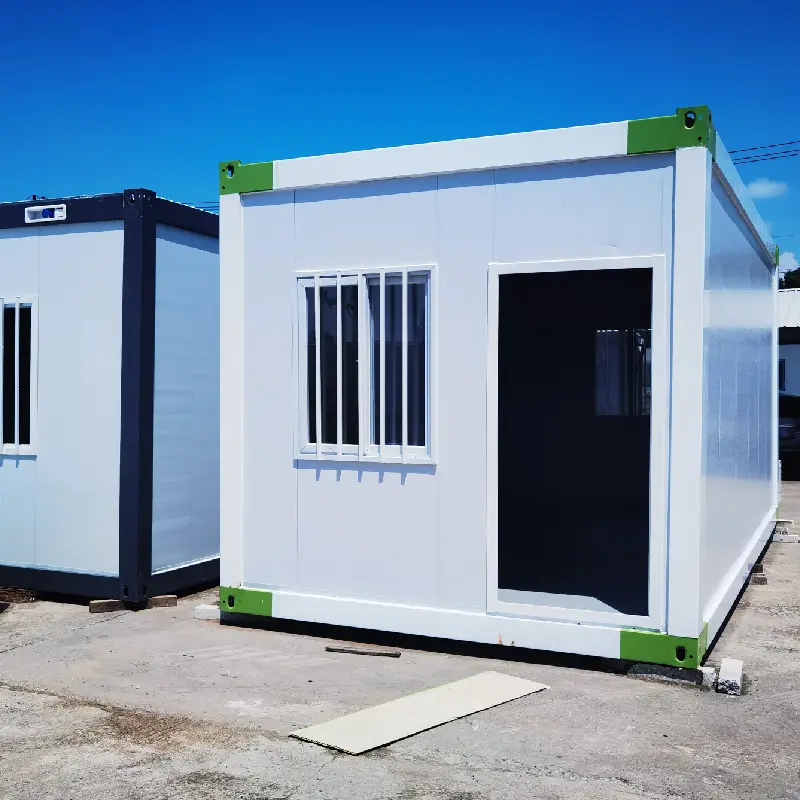
Accelerated Deployment Through Off-Site Fabrication
How factory-built precision cuts onsite timeline by 60–70% versus traditional builds
When building movable prefabricated container houses from factories, there's no need to worry about bad weather stopping work. The process works in parallel too foundations get ready at the site while the actual modules are being checked for quality inside controlled factory environments where temperature stays steady. This kind of coordination cuts down how long projects take overall around 60 to 70 percent faster than regular construction methods according to numbers from the Modular Building Institute back in 2022. Because everything is engineered so precisely, parts just snap together when they arrive on site. No more fixing things that didn't fit right the first time something that usually eats up about 15% of what would otherwise be productive work hours during traditional construction.
Logistics advantage: Single-container transport vs. fragmented deliveries to inaccessible zones
When we ship complete living spaces inside sealed ISO containers, there's just less mess during transport, fewer damages happen, and nobody has to coordinate dozens of different parts anymore. Think about remote locations like Arctic mining sites or mountain rescue bases where planes or tiny roads are the only way in. Trying to manage hundreds of separate materials would be a nightmare compared to simply dropping off one big module. Take Bangladesh for instance, where floods often destroy homes overnight. Last year they managed to get 40 ready-to-use housing units on site within three days flat when building from scratch wasn't even an option due to all the water everywhere. The whole process saves around a third of the fuel normally burned and puts less strain on fragile ecosystems because trucks carry heavier loads fewer times instead of bouncing back and forth endlessly.
Proven Cost-Effectiveness Across the Lifecycle
30–50% lower total cost of ownership over 5 years vs. site-built alternatives
Movable prefabricated container homes might cost about 10 to 20 percent more initially, but they save money in the long run because of how efficiently they're built in factories. When manufacturers standardize production processes, they cut down on wasted labor time by roughly 40 to 60 percent. Plus buying materials in bulk helps knock down those markup prices from suppliers. What really matters though is the durability factor. These structures use galvanized steel frames and special marine grade coatings that just don't need much maintenance at all. For projects in remote areas where parts get corroded quickly, these containers hold up way better than traditional buildings. And let's not forget about the insulation built right into them which can slash annual energy bills by around 25 to 35 percent. All told, most companies find that these modular solutions end up costing anywhere from 30 to 50 percent less overall when looking at five-year expenses according to a recent McKinsey report last year.
Breakeven analysis: When the upfront premium pays off for remote operations
The breakeven point typically occurs within 18–30 months for projects in logistically challenging areas. Key drivers include:
- Transport savings: Single-container delivery eliminates 5–7 truckloads per unit, reducing fuel and handling fees by $8k–$15k.
- Deployment speed: Projects operational 60–70% faster save $740k monthly in delayed revenue (Ponemon Institute, 2023).
- Relocation potential: Reusing units across sites avoids $120k–$200k in rebuild costs per relocation.
For mines or disaster-response bases—where traditional mobilization delays exceed $220k—the initial investment pays off within two winters. Modular reconfiguration extends savings further: adding units post-breakeven costs 35% less than new construction.
Engineered Durability for Extreme Remote Environments
Corrosion-resistant steel frames and ISO-certified weatherproofing for sub-zero to 50°C extremes
Container houses that can be moved around are built tough enough to handle pretty much anything nature throws at them. The main frame inside these structures uses steel that's been treated with hot dip galvanization, which stands up well against things like salty ocean air, acid rain, and all that gritty desert sand. Sealing up those joints and outer surfaces involves special weatherproofing systems certified under ISO standards, keeping heat regulated and moisture out even when temperatures swing between minus 30 degrees Celsius and 50 degrees. This kind of protection works consistently whether it's freezing cold in the Arctic or sweltering hot in places with intense UV exposure. Regular buildings tend to fall apart fast in such conditions. What this means practically is less need for repairs over time and longer lasting structures in areas where building failures mean not just expensive fixes but also major disruptions to whatever operations might be happening there.
Inherent Modularity and Relocatable for Dynamic Site Requirements
Scalable configurations: From single-unit medic shelter to 48-unit camp via stacking and interconnection
Container homes that can move around offer something really special when it comes to adapting to different situations thanks to those standard interlocking parts they come with. Imagine starting with just one unit for a small medical clinic but then having it grow into accommodation for 48 people in just a few days by stacking vertically or connecting horizontally side by side. No need for fresh foundations or hiring experts for installation either. The whole setup works great for places where needs change all the time. When mines need more workers because production goes up, they simply add more containers. Emergency crews can switch their stored containers into makeshift hospitals within hours after disasters strike. What's interesting is how these buildings can actually come apart completely, get moved somewhere else, and put back together again on totally different ground while still working exactly as before. Traditional buildings would have to be torn down first, but according to research published by the National Institute of Building Sciences back in 2021, about 95% of materials stay usable even after multiple moves. That kind of built-in reuse factor explains why container housing keeps popping up everywhere from short-term projects to seasonal setups and fast changing job sites where regular building methods just don't cut it financially or practically speaking.
FAQ Section
What are the benefits of prefabricated container houses?
The main benefits include accelerated deployment, logistical advantages, cost-effectiveness, durability, and inherent modularity, making them adaptable and efficient.
How do prefabricated houses save on transport costs?
By utilizing single-container transport, prefabricated houses reduce the need for multiple deliveries, lowering fuel costs and simplifying logistics.
Why are prefabricated container homes durable?
They are built with corrosion-resistant steel and ISO-certified weatherproofing, allowing them to withstand extreme environmental conditions effectively.
How do prefabricated houses benefit remote operations?
They offer quick deployment, reusability, and reduced rebuild costs, making them ideal for sites with challenging logistics and frequently changing needs.