
 EN
EN
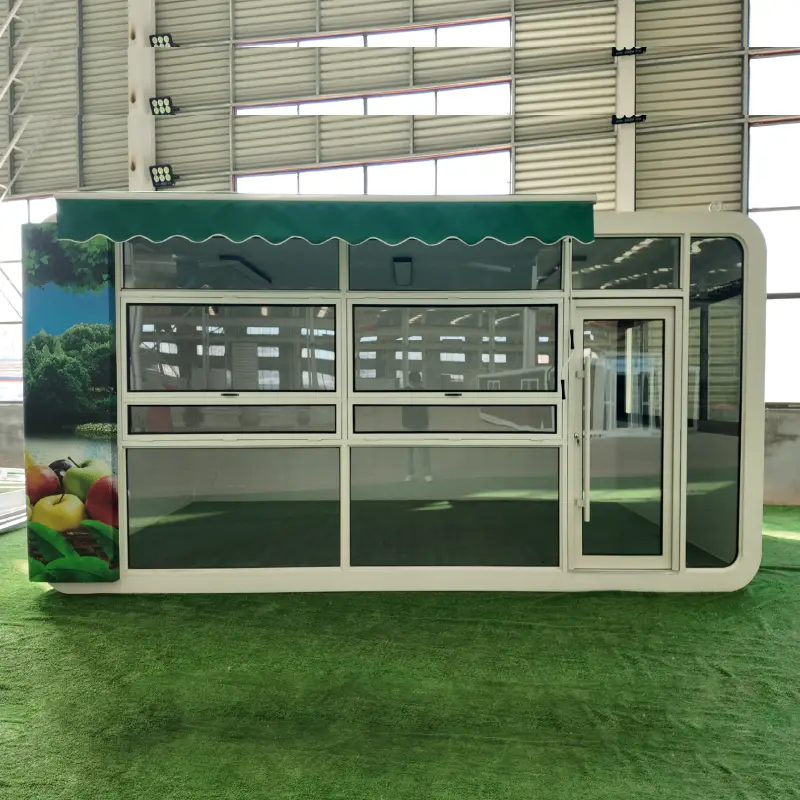
The Urban Space Crisis: Why Expandable Container House Adoption Is Accelerating
Cities across the globe are dealing with massive population growth right now. More than half of all people live in urban areas according to UN-Habitat stats from last year. Old school building techniques just cant catch up fast enough, which means there's a serious mismatch between how many homes we need and what gets built. Housing shortages mean prices keep climbing higher and higher. Take a look at big city rents for example they went up around 17 percent since 2021 per World Bank data, even as good land becomes harder to find. Expandable container homes offer a real solution to this problem because they scale so well. These aren't your regular buildings that take forever to construct. Instead, modular containers pop up quickly and can grow both up and out depending on what's needed. In Nairobi back in 2023, when there was a terrible housing crunch, authorities managed to put together 300 of these expandable units in just eight weeks. Municipal planners love them too industry insiders say uptake has jumped about 40% each year since 2022 as local governments hunt for flexible options. What makes these containers special? They change how much space they occupy. A normal 20 foot shipping container can actually become three times bigger using either telescoping mechanisms or hydraulics. This lets cities stretch their limited real estate while still giving residents decent, affordable places to live that actually grow with the community over time.
How Expandable Container House Design Maximizes Limited Footprint and Enables On-Demand Growth
Modular Expansion Mechanics: Hydraulic, telescopic, and fold-out systems
Container houses that expand can really solve space problems in cities through a few different ways. First off, there are hydraulic systems that make expansion happen with just one operation, so people get extra living space instantly without breaking a sweat. Then we have telescopic designs where sections slide out like drawers would, giving an amazing boost to floor area sometimes doubling it within minutes. For places where going sideways isn't possible, fold out systems come into play. They basically unfold walls either straight up or at angles, which works great when expanding onto rooftops for instance. What makes all this possible are these clever engineering tricks that turn those small 20 foot containers into proper homes again and again without compromising their strength over time.
Space-Efficient Layouts: From compact 20-ft base units to 3x expanded living areas
Good design makes small spaces work wonders. The basic layouts really squeeze out wasted space with clever tricks like furniture that changes purpose and storage going straight up instead of out. Take Murphy beds that tuck neatly into what looks like just another desk surface, or stairs that actually hide drawers underneath when not in use. Some units can grow in multiple directions at once, expanding to three times their original size when needed most. The way these homes separate sleeping areas from common spaces is pretty smart too, often using sliding walls that let people adjust privacy levels on the fly. Container houses built this way tend to get around 37 percent better space usage compared to regular apartments according to recent studies. Even little things matter: kitchen counters stretch out into proper dining tables, and balconies pop out from hidden spots in the walls. All these innovations show just how much living space we can create even in crowded city settings if we think outside the box.
Rapid Deployment and Scalable Implementation for Immediate Space Relief
Expandable container houses address urgent urban spatial needs through streamlined manufacturing and adaptive growth strategies. Their factory-based production eliminates weather delays and enables precision engineering that accelerates project timelines significantly.
Factory-built precision cuts on-site construction time by up to 60% vs. traditional builds
Pre-assembled structural modules minimize on-site labor requirements. Controlled factory conditions reduce rework by 40%, enabling deployment within days rather than months (Modular Construction Institute, 2023). This efficiency proves critical for disaster response scenarios where displaced populations require immediate shelter.
Phased scalability: Start small, expand vertically or horizontally as demand grows
Local areas might want to start with small core housing units first, then expand them later using some kind of telescoping system as more people move in. Take a standard 20 foot long shipping container house for instance. With some clever engineering, it can actually become a three bedroom home either by stacking upwards or unfolding outwards sideways. That means getting almost triple the living space without having to kick anyone out or build something completely new from scratch. What makes this approach so interesting is how it allows cities to grow gradually while still keeping things affordable and manageable for everyone involved.
Real-World Validation: Case Studies in High-Density Cities
Global cities facing extreme space constraints now validate expandable container house solutions through measurable deployments. These projects demonstrate how modular design adapts to unique urban pressures while delivering rapid occupancy.
Tokyo: 37% smaller footprint with expandable container house micro-units for young professionals
The Shibuya district has seen some creative solutions to housing challenges lately. These new vertical expansion units are taking up just 37% of the space regular apartments need for similar living arrangements. Developers stacked container modules on top of each other like building blocks, creating these compact spaces that shoot upwards instead of spreading out horizontally. Within three months after opening, nearly 85% of these units were already occupied, which speaks volumes about how desperate people have become for affordable options close to where they work in Tokyo's busy commercial areas. What makes this even better? People actually living there say their monthly expenses drop around 40% when compared to what they'd pay for standard rentals in the same neighborhoods.
Rotterdam: Modular elder-care annexes integrated into existing social housing estates
In Rotterdam, local authorities have been transforming social housing complexes by adding these cool container annexes that expand horizontally for older people living there. Basically, they hook these modular units onto existing structures and then they sort of pop outwards, creating separate areas where caregivers can work privately without needing to build whole new facilities from scratch. This clever solution cut down waiting lists by around 60 percent during initial tests in certain neighborhoods, all while keeping seniors connected to their communities rather than isolating them somewhere else. Cities like Paris, Berlin, Madrid, Vienna and Stockholm are now copying this approach as they deal with their own growing numbers of elderly citizens who need support but don't want to leave familiar surroundings.
FAQ
What are expandable container houses?
Expandable container houses are modular living spaces created from shipping containers that can expand in size using hydraulic, telescopic, or fold-out systems, providing flexible and scalable housing solutions for urban areas.
How do expandable container houses address urban housing shortages?
These houses provide a fast, affordable solution by utilizing existing container modules that expand, adapting to space constraints and growing urban demands, while optimizing limited footprints in high-density cities.
Why are expandable container houses gaining popularity?
Expandable container houses are appreciated for their rapid deployment, cost-effectiveness, ability to scale, and efficient use of space. They are increasingly adopted in cities facing housing shortages as they can quickly provide affordable accommodations.
Can expandable container houses remain sturdy over time?
Yes, expandable container houses maintain their structural integrity over time through clever engineering solutions, ensuring durability even with repeated expansions and contractions.
Table of Contents
- The Urban Space Crisis: Why Expandable Container House Adoption Is Accelerating
- How Expandable Container House Design Maximizes Limited Footprint and Enables On-Demand Growth
- Rapid Deployment and Scalable Implementation for Immediate Space Relief
- Real-World Validation: Case Studies in High-Density Cities
- FAQ