
 EN
EN
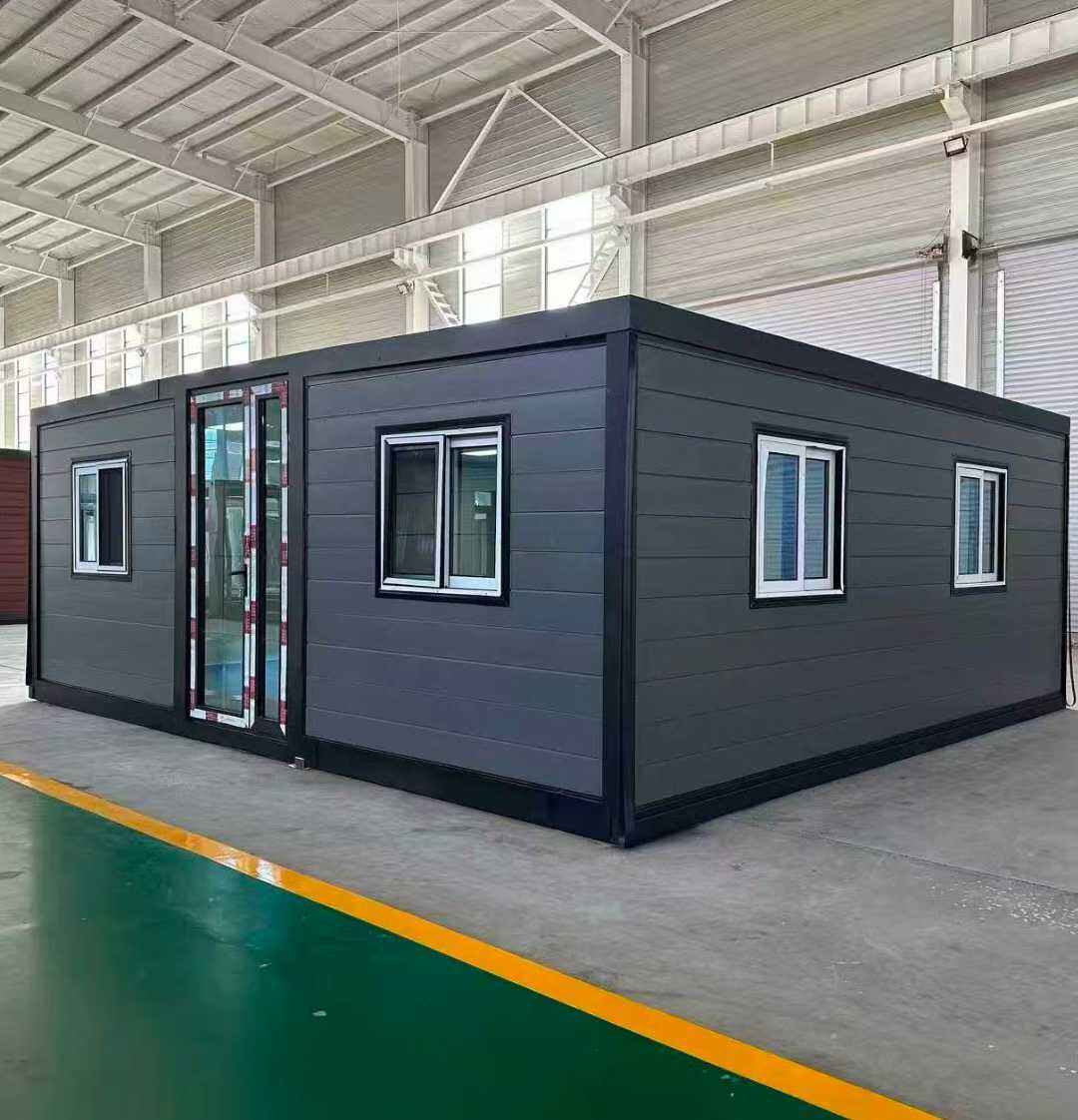
Key Technical Criteria for Evaluating Bulk Pack Container Housing
Structural Integrity and Global Certification Compliance (ISO 1496-1, ASTM A653)
Bulk pack containers need solid structural integrity to function properly. They have to handle stacking weights over 25 metric tons without losing shape when moved around or deployed at sites. Following ISO 1496-1 means those corner fittings will work across different transport modes, which keeps everything secure during shipping. The ASTM A653 standard tells us they're using steel that resists rust, something really important for containers lasting years outdoors. When dealing with dangerous substances, there's no room for compromise on chemical resistance or preventing leaks from happening. Containers that meet these standards through third party checks cut down structural failures by about half compared to ones that don't follow them according to a study published in Global Logistics Safety Review last year.
Modular Interconnectivity and Rapid Assembly Compatibility
The ability to scale smoothly depends largely on specially designed interlocking components and standard connectors that allow buildings to grow either vertically or horizontally without weakening structural integrity. When units come with built-in utility channels for electricity, internet connections, and water lines, connecting different sections becomes much simpler. Plus, those modern designs that eliminate bolts during assembly save workers a lot of time - some estimates suggest around half the usual labor effort. Real world projects show big advantages too. Buildings constructed with these compatible systems typically become ready for operation about three times quicker compared to traditional methods. And when it comes time to change things around later, experienced crews can completely rearrange something as large as forty modular units in just under three days flat, all without needing welders or fancy equipment.
Climate-Adaptive Insulation and Environmental Resilience
Thermal and environmental performance must be tailored to local conditions:
| Climate Challenge | Insulation Approach | Performance Metric |
|---|---|---|
| Arctic Conditions | Aerogel-infused panels | R-Value ≥ 8 |
| Desert Environments | Reflective ceramic coatings | 35% reduction in solar heat gain |
| Tropical Humidity | Vapor-permeable membranes | Moisture diffusion < 0.5 perm |
Reinforced corner castings and hurricane-rated anchoring enable units to withstand Category 4 winds (156+ mph). Corten steel cladding delivers over 30 years of corrosion resistance in saline coastal environments. Eliminating thermal bridging maintains stable internal temperatures while reducing energy demand by 40% versus standard units (Building Efficiency Journal, 2024).
Strategic Vendor Assessment for Bulk Pack Container Housing Procurement
Verifying Scalable Production Capacity and Supply Chain Transparency
When looking at potential vendors, don't rely solely on what they say about their capabilities. Instead, ask for actual proof through measurable production stats. We've seen from industry research that smaller orders below 500 units tend to run into delays about 37% more often than larger ones according to the Modular Construction Benchmark Report from last year. Transparency across the entire supply chain matters too. Make sure there's clear tracking for things like structural steel, insulation materials, and coating products. Better yet, insist on independent confirmation regarding where these raw materials come from and whether suppliers follow ethical practices. Smart vendors will keep some extra stock on hand for those components that everyone seems to need at once, which helps prevent slowdowns when demand spikes unexpectedly.
Evaluating Lifecycle Support: Warranty, Spare Parts, and Commissioning Readiness
When looking at vendors, go for ones who offer at least a 10 year structural warranty covering things like corrosion resistance, how well the structure holds up under weight, and performance of the building's thermal envelope. According to research from the Modular Building Institute in 2024, this kind of warranty actually leads to around 28% lower costs over the whole life of the building. Make sure spare parts are available for those components that tend to wear out fast, such as door mechanisms and electrical panels. And insist on getting those parts within 72 hours if there's an emergency. Commissioning packages should definitely include someone watching the actual assembly process on site, proper training for operators that comes with certification, plus those fancy digital twin models that simulate operations. Don't sign off on any contract until all the Service Level Agreements are clearly spelled out in writing regarding what happens after installation, including exactly how long it takes for service responses and problem resolutions.
Implementation Best Practices: From Order to Operational Readiness
Getting bulk pack containers operational right from day one requires good coordination between buying stuff, getting things shipped, and setting everything up properly. Start planning in stages so that what gets made matches up with when the site is ready to receive it. This kind of timing helps avoid those frustrating situations where equipment sits around unused or projects get delayed. Before shipping containers off, always do thorough checks for ISO 1496-1 standards and make sure they're structurally sound. When actually installing them, take advantage of those modular connections everyone talks about these days. Standardized couplings cut down on site labor costs by roughly 30% compared to building everything from scratch according to Modular Building Institute stats from last year. Training operators should happen alongside installation work covering climate controls, regular maintenance routines, and how to handle emergencies. Digital twins are great tools too for testing out utilities integration and spotting problems early on, which can slash post occupancy issues by almost half. Don't forget to check spare parts stock against warranty conditions prior to turning over operations. Having replacement items readily available makes all the difference when something breaks down unexpectedly. Following through on each step like this keeps projects moving smoothly and ensures critical infrastructure stays ready for big scale operations.
FAQ
What are bulk pack containers?
Bulk pack containers are large containers used for transporting goods in bulk. They must have solid structural integrity and comply with international standards like ISO 1496-1 and ASTM A653.
Why is modular interconnectivity important?
Modular interconnectivity allows buildings to expand easily without compromising structural integrity and reduces labor time during assembly, which accelerates operational readiness.
How do bulk pack containers adapt to different climates?
Bulk pack containers use climate-adaptive insulation such as aerogel-infused panels for cold regions, and vapor-permeable membranes for humid areas, ensuring structural resilience and reduced energy demands.
Why should vendors offer a structural warranty?
A structural warranty ensures long-term benefits like reduced lifecycle costs and helps maintain the structural integrity and performance of the container housing.