
 EN
EN
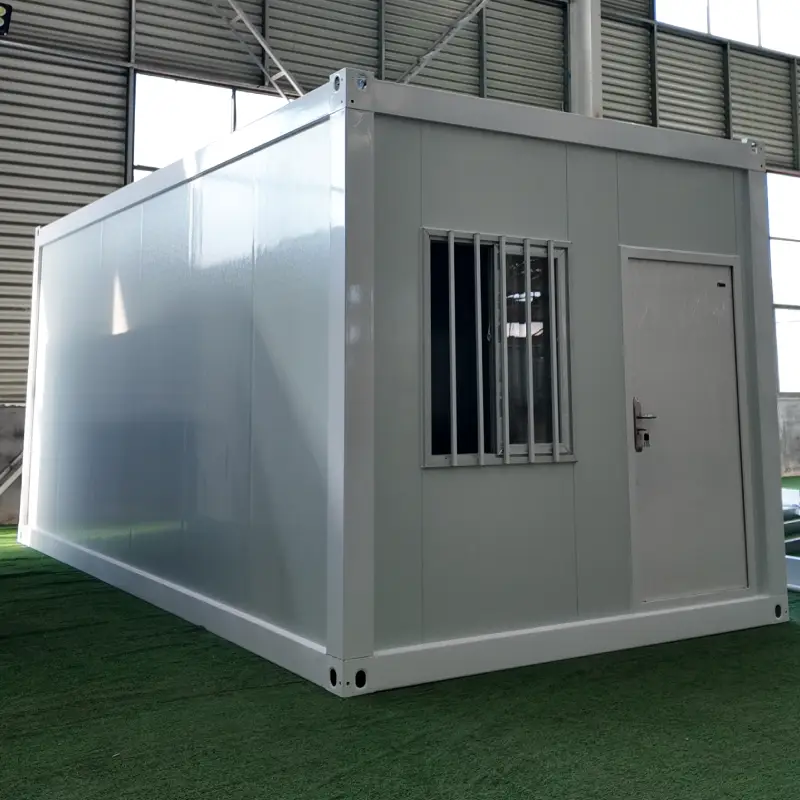
Rapid Deployment and Emergency Response Capabilities
How Foldable Container Homes Enable Quick Setup in Crisis Situations
Foldable container homes address critical gaps in emergency housing through modular designs that deploy 76% faster than traditional shelters (Nepal Relief Agency 2015). Their collapsible steel frames and pre-installed utilities enable:
- 24-hour assembly with 4-person crews
- Weatherproof installations on uneven terrain
- Stackable configurations scaling from 10 to 10,000 units
This portability proved vital during the 2023 Týrkiye-Syria earthquakes, where foldable units housed 12x more displaced families per shipment than tent systems.
Case Study: Earthquake Relief Efforts in Nepal
When a 7.8-magnitude quake struck Nepal in 2015, 320 foldable container homes were operational within 72 hours of arrival – sheltering 1,800 residents. Key outcomes:
- 65% cost savings versus importing conventional housing materials
- Multi-year usability as 92% of units transitioned to permanent schools/clinics
- Local workforce training creating 140 construction jobs
Disaster coordinators noted these structures provided psychological stability by mimicking conventional housing layouts during 18-month recovery efforts.
Trend: Demand for Instant Infrastructure in Disaster-Prone Regions
With climate-related displacements rising 240% since 2000 (IDMC 2023), 74 national governments now include foldable units in disaster preparedness plans. Market projections show:
| Region | 2025 Demand (Units) | Growth vs. 2020 |
|---|---|---|
| Asia-Pacific | 82,000 | 310% |
| Africa | 48,000 | 290% |
| Latin America | 34,000 | 265% |
This surge reflects lessons from recent Caribbean hurricanes, where municipalities reduced emergency housing costs by $18,700 per household using reusable container solutions.
Cost-Effectiveness Compared to Traditional Temporary Housing
Comparative Analysis: Modular vs. Conventional Construction Costs
Research from UN Habitat in 2023 suggests that building with foldable containers can cut down construction costs anywhere between 30 to 50 percent when compared to standard building techniques. When manufactured in factories instead of on site, these homes avoid those frustrating weather related delays and require far less manual work at the actual building location. Plus, there's barely any leftover materials lying around after construction - maybe just about 5% waste compared to roughly 30% wasted in regular construction jobs. Take a look at numbers for a typical 2,000 square foot foldable home: most builders quote around $178k total including all the basics like foundations and hookups. That's actually pretty impressive since similar sized traditional homes usually run closer to $345k on average.
Data Insight: 40% Lower Lifetime Costs in Humanitarian Applications
According to various humanitarian groups, switching from traditional tents and temporary shelters to these foldable container homes has led to around 40% savings in costs over the past five years. The upfront price tag for each unit typically comes out to about $12,000, but what makes them worth it is how long they last. Tents just don't hold up in disaster areas, needing complete rebuilds roughly three times more frequently than these containers do, according to findings published in the Disaster Housing Report for 2023. Plus, many of these container homes come with energy efficient features built right in. Better insulation alone cuts down on heating and cooling bills by nearly a quarter every year, which adds up significantly over time for organizations operating in multiple locations.
Balancing Upfront Investment and Long-Term Savings
Foldable systems do come with a higher price tag, about 15 to 20 percent more than regular emergency tents at first glance. But when looking at the big picture over 20 years, these investments actually save four dollars for every one spent initially. The military has seen this firsthand during operations. When they used foldable container homes as temporary shelters for refugees, most of the initial expense got recouped because these structures could be reused multiple times across different crises. Getting smart about buying also helps stretch budgets further. Organizations that buy in bulk often see unit prices drop around 18%, which makes sense when deploying hundreds or even thousands of units simultaneously for major humanitarian efforts.
Flexible and Scalable Design for Diverse Housing Needs
Modular Expansion: From Single Units to Full-Scale Worker Camps
Container homes that fold up are scalable because they use standard parts that lock together. These can be set up as single rooms or stacked into whole villages for workers. According to the latest industry report on modular construction, building sites take about 60 percent less prep work when using these modular methods. We saw this firsthand at a mining site where workers put together around 120 units each day for their 450 person camp. The ability to expand gradually is really important for operations that need to grow their workforce over time instead of all at once.
Case Study: Mining Workforce Accommodation in Western Australia
Recently, a lithium mining operation down under in Western Australia made a smart move by installing around 300 foldable container homes for their rotating workforce. What makes these containers special? Their collapsible design means companies can fit eight complete units on each truck instead of just two standard cabins, which has slashed transportation expenses by roughly 35 percent according to Mining Logistics Journal from last year. The real win though comes from what the miners themselves are saying. Satisfaction levels among staff have jumped nearly 28% compared to when they were living in tents. Many point to better protection against harsh weather conditions and the ability to adjust temperatures inside their own space as major improvements over those old canvas setups.
Space Adaptability and Integration with Smart Living Technologies
The newer designs come with sliding walls and furniture that can change function, which actually makes the space inside feel almost 40% bigger in those standard 20 foot containers. A recent report from Smart Housing in 2024 found something interesting too smart systems cut down on wasted energy around 35%, thanks to lights that turn on only when someone is there and insulation that adjusts itself based on temperature needs. What this means is pretty impressive really these temporary living spaces now perform just as well as regular houses do in terms of comfort and efficiency, something many people would never expect from what used to be just storage boxes.
Urban Pop-Ups and Temporary Festival Housing Solutions
More and more event planners are turning to foldable container homes for temporary setups at city pop-ups and music festivals, especially when transportation logistics matter most. When folded up small, these containers take up about three quarters less space during transport compared to regular event housing solutions. Last summer at Glastonbury, they managed to house around 2,000 crew members using modular units made from standard shipping containers transformed into climate controlled living spaces within just two days flat. The manufacturers claim through testing that these containers can be taken apart and put back together over fifteen times without any real damage to the structure, which makes them pretty durable for repeated use across different events.
Transport Efficiency and Logistics Advantages
75% Reduction in Transport Volume When Folded
When folded up, these container homes shrink down by about three quarters of their space, which means shipping companies can fit around four times as many units on a single truck compared to regular modular homes. The space savings really help with getting emergency housing where it's needed most, especially in places that are hard to reach after disasters strike. According to a recent infrastructure study from 2023, construction teams working with these foldable models ended up needing roughly 32 percent fewer trucks for transport. That translates into real money saved on fuel and also cuts down on those pesky carbon emissions we all hear so much about these days.
Compatibility With Standard Shipping and Military Transport
Engineered to match ISO container dimensions (20ft/40ft), these units integrate seamlessly with global shipping networks, rail systems, and military transport aircraft. During the 2022 Pakistan flood response, foldable units were airlifted via C-130 Hercules planes alongside standard relief supplies–demonstrating interoperability essential for time-sensitive deployments.
Design Trade-Off: Lightweight Materials vs. Structural Durability
Aluminum composite panels cut down on weight by about 40% when compared against traditional steel options, but this comes with tradeoffs that engineers need to work through carefully. Testing done in wind tunnels according to AS/NZS 1170.2:2021 shows these folded panels can handle pretty strong winds during transport, around 130 km/h or so. Still there's an ongoing problem with salt water damage over time, especially important for buildings near the coast where salty air gets everywhere. Some new developments using graphene coatings on metal alloys look really good though. These coatings seem to protect against rust while keeping all those weight savings intact, which makes them quite attractive for coastal construction projects.
Real-World Applications and Future Potential in B2B Sectors
Emergency Shelters: Providing Speed and Dignity in Disasters
Container homes that fold up are really making waves in disaster relief situations because they can set up complete living areas inside just around three days. The way these homes are put together actually maintains people's sense of self worth much better compared to those flimsy tents we've seen before. They come with working heating/cooling systems and proper bathrooms already installed. Take for example what happened after that big earthquake between Turkey and Syria back in 2023. These folding containers provided shelter for about twelve thousand folks who lost everything until bigger rebuilding efforts could kick in. What stands out here is how quickly they scale up to meet needs without compromising basic human needs during emergencies.
Workforce Housing for Energy, Construction, and Remote Projects
Mining and energy make up around two thirds of all business to business demand these days, especially noticeable in the growing lithium operations across Western Australia. The modular accommodation units being used there cut down on transportation expenses for staff by almost 40% when compared with building everything on site. Plus they tick all the boxes for safety standards at remote locations which is no small thing. According to findings from an industry analysis released last year, workers tend to stick around longer at sites where they live in these better quality accommodations rather than crammed into basic temporary barracks. Companies are starting to realize that investing in decent living quarters actually pays off in reduced turnover rates.
Future Outlook: Adoption in National Disaster Preparedness Plans
More governments around the world are now requiring their countries to keep stocks of those foldable container homes as part of their plans for dealing with disasters. Take Japan for instance, where the government's 2025 Resilient Infrastructure Plan sets aside about 740 million dollars to build reserves that can provide shelter for up to a million people within just four days after a big disaster hits. What we're seeing here is basically a realization that these modular homes serve two purposes at once they work great when there's an emergency situation but also fit right into city planning efforts once things settle down after a crisis.
Key benefits driving B2B adoption:
- 57% faster deployment than conventional temporary housing
- 73% lower carbon footprint through reusable steel frameworks
- Full compliance with IFRC (International Federation of Red Cross) humanitarian standards
Integrated solar-ready roofs and IoT-based occupancy sensors position foldable container homes as adaptable assets across corporate, government, and NGO supply chains–transforming temporary housing from a short-term expense into a strategic, long-term investment.
FAQ
What are the key advantages of foldable container homes for emergency response situations?
Foldable container homes offer rapid deployment with assembly possible in 24 hours, weatherproof installations on uneven terrain, stackable designs for scalability, and significant cost savings compared to traditional shelters. They are crucial during crises like earthquakes and hurricanes, housing more displaced families quickly and efficiently.
How do foldable container homes compare to traditional housing in terms of cost-effectiveness?
By utilizing factory-built structures, foldable container homes reduce construction costs by 30% to 50% compared to conventional methods. Minimal waste and energy-efficient features further enhance cost-effectiveness, making them a better choice for long-term savings in humanitarian fields.
How do foldable container homes address diverse housing needs?
These homes are highly adaptable, fitting single units or expanding to large villages as needed. They integrate smart living technologies which enhance space efficiency and adaptability, making them useful in workforce camps, urban pop-ups, and festivals.
What are the logistical benefits of using foldable container homes?
When folded, these homes reduce transport volume by 75%, allowing more units per shipment. This improves transport efficiency, reduces carbon emissions, and provides crucial speed in reaching disaster areas.
What are the materials used in constructing foldable container homes?
Foldable container homes use lightweight materials like aluminum composite panels to ensure structural durability while minimizing weight. Advanced coatings like graphene can further protect against environmental damage without sacrificing these benefits.
Table of Contents
- Rapid Deployment and Emergency Response Capabilities
- Cost-Effectiveness Compared to Traditional Temporary Housing
- Flexible and Scalable Design for Diverse Housing Needs
- Transport Efficiency and Logistics Advantages
- Real-World Applications and Future Potential in B2B Sectors
-
FAQ
- What are the key advantages of foldable container homes for emergency response situations?
- How do foldable container homes compare to traditional housing in terms of cost-effectiveness?
- How do foldable container homes address diverse housing needs?
- What are the logistical benefits of using foldable container homes?
- What are the materials used in constructing foldable container homes?