 EN
EN
What Is a Foldable Container Home? Design and Key Features
Definition and Core Concept of a Foldable Container Home
Foldable container homes represent a new kind of prefabricated living space that can be used either temporarily or as permanent housing. What makes these different from regular shipping container homes is their special design with reinforced steel frames and collapsible joints. When not in use, they can shrink down quite a bit, cutting their size during transport by around three quarters. The main benefits here are pretty obvious really. Shipping becomes much cheaper because the containers take up less space on trucks and ships. Plus, when they arrive at their destination, putting everything together onsite takes far less time and effort compared to traditional methods.
Modular Architecture and Structural Components
Foldable container homes rely on interlocking steel frames, pre-insulated wall panels, and corrosion-resistant fasteners to ensure structural integrity. Key components include:
- Base Frame: A galvanized steel chassis supporting vertical loads
- Collapsible Walls: Hinged panels that fold inward without compromising insulation
- Roof System: Lightweight yet weatherproof materials rated for extreme temperatures
The modular design allows homeowners to stack or connect multiple units horizontally, creating customizable floor plans tailored to specific spatial needs.
Folding Mechanism and Quick Deployment Process
The patented folding system uses hydraulic pistons or manual lever arms to transition the home from a collapsed state (typically 20ft long) to a fully expanded layout (60+ sqm) in under 15 minutes. Deployment involves three phases:
- Unlocking safety latches at key structural points
- Expanding walls and roof sections using the integrated mechanism
- Securing the structure with cross-braces and foundation anchors
This process eliminates heavy machinery requirements, making it feasible for remote locations with limited infrastructure. Recent advancements include automated systems that deploy homes via smartphone controls, cutting setup time by 40% compared to manual methods (2024 Modular Construction Report).
Space-Saving Advantages and Smart Layout Planning
Maximizing Limited Spaces with Compact Footprint Design
Container homes that fold up save a lot of space because they have frames that collapse, cutting down on how much room they take up during transport or storage by somewhere around 40 to maybe even 60 percent. These aren't your regular buildings though. When unfolded, they still work great as living spaces but don't need nearly as much land as traditional houses would. That makes them really useful for filling gaps between existing buildings in cities or fitting into those tight spots where normal homes just won't go. Most designs come with sliding walls, pull-out decks, and vertical storage maximizing compact living space without making things feel cramped or crowded.
Vertical Space Utilization for Enhanced Livability
These homes get around space limitations by building upwards by about 10 percent extra living space without taking up more ground. They've got loft areas, walls packed with storage from floor to ceiling, and shelves that make good use of all that empty headroom. These are especially clever solutions for smaller properties where every square inch counts.
Efficient Interior Organization in Tight Quarters
Such innovations reduce clutter by ensuring that multi-functional furniture predominates in foldable container layouts:
- Staircases with integrated drawer storage
- Magnetic wall panels for tool organization
Such innovations reduce clutter by ensuring storage is maximized without sacrificing living space.
Case Study: Urban Micro-Living Using a Foldable Container Home
A 240-square-foot foldable unit in Barcelona housed a freelance designer for 18 months, revealing small-space viability. The resident utilized:
- Rotating kitchen islands with hidden appliances
- Ceiling-mounted bike racks
- Fold-flush shower/toilet modules
Post-occupancy surveys revealed 92% satisfaction with spatial functionality, highlighting the practicality of these homes in urban environments.Mobility Features and Ease of Relocation
Mobility advantages of foldable container homes include ease of relocation due to their lightweight steel alloys and advanced hydraulic mechanisms. These homes can be deployed in just 30 minutes without the need for heavy machinery. Additionally, features like direct towing capabilities and reduced structural weight provide a great advantage over traditional container homes.
Logistics and Transport Requirements for Foldable Container Homes
Specification Foldable Container Traditional Container Advantage Specification Foldable Container Traditional Container Advantage Weight Per Unit 1,800 kg 3,000 kg 40% weight reduction Stacking Capacity 5 units per truck 2 units per truck 150% efficiency This streamlined design greatly increases efficiency in transport requirements, making foldable container homes ideal for both personal and commercial uses.
Comparison With Traditional Container Homes and Other Portable Housing
Three factors position foldable designs as the superior mobile housing solution:
- Space Optimization: Efficient collapse to 30% of operational space.
- Flexibility & Versatility: Ease of customization and modularity compared to traditional designs
- Cost Efficiency: Lower transport and setup costs contribute to affordable housing solutions
The use of foldable container homes as mobile housing offers significant advantages over traditional options in terms of adaptability, cost, and setup time.
Applications and Market Demand for Foldable Container Homes
Deployment in Remote Workspaces and Eco-Tourism Accommodations
The convenience of quick deployment makes these homes appealing, especially for remote workspaces where teams can reside on-site, eliminating costly commutes. They are also gaining traction among eco-tourism accommodations for their minimal environmental impact. A majority of new luxury camping spots within nature preserves are opting for foldable container designs.
Benefits in Disaster Relief and Emergency Temporary Housing
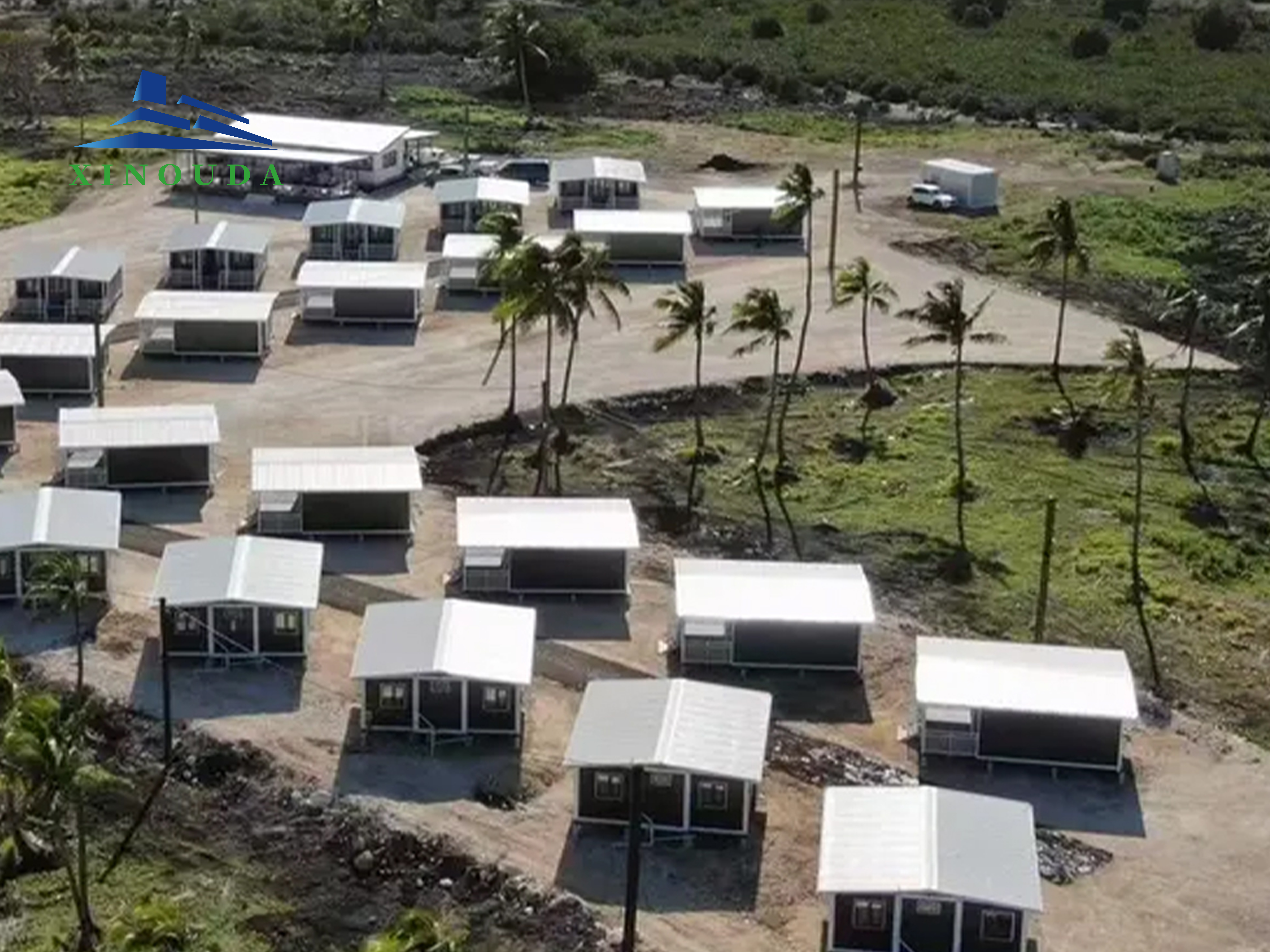
When natural disasters strike, foldable container homes provide quick and durable shelter solutions for affected families. They can transition from flat-packed to fully functional shelter in as little as two days, reducing reliance on traditional tents and trailers. Their steel frames and effective insulation make them a practical choice for rapid deployment in areas with extreme weather conditions, addressing a critical need in disaster relief efforts.
Global Market Trends and Demand
The demand for foldable container homes is projected to grow at a rate of 9.6% annually from 2024 to 2032. This increase is fueled by their versatility, efficiency, and adaptability, making them a preferred choice in crowded cities and disaster-prone areas. Asia Pacific, particularly China, leads this trend by deploying a significant number of foldable container homes each year for various purposes, including housing for migrant workers. The trend towards sustainable and self-sufficient homes is evident, with high-end models featuring solar panels and water recycling systems, highlighting a growing market for independent housing solutions.
FAQ
What is a foldable container home?
A foldable container home is a type of prefabricated living space designed to be compact and transportable. Different from regular shipping container homes, these structures have reinforced steel frames and collapsible joints, allowing them to be reduced in size during transport.
How is a foldable container home different from a traditional container home?
Unlike traditional container homes, foldable container homes can be compressed to save space, making them more cost-effective to transport and easier to assemble on-site. They can reduce in size by up to three-quarters during transport.
What are the key components of a foldable container home?
Key components include interlocking steel frames, pre-insulated wall panels, collapsible walls with hinged panels, a lightweight roof system, and corrosion-resistant fasteners. These components ensure structural integrity and adaptability for customized floor plans.
What are the deployment benefits of foldable container homes?
The folding mechanism uses hydraulic pistons or manual lever arms to expand the home quickly, taking less than 15 minutes. There is no need for heavy machinery, making these homes suitable for remote locations.
In what situations are foldable container homes most beneficial?
They are highly beneficial for temporary housing needs, especially in disaster relief scenarios and remote workspaces. They offer quick deployment, mobility, space efficiency, and compliance with transport regulations.
What are the future trends in foldable container homes?
The global market for foldable container homes is expected to grow substantially due to increasing urbanization, housing demand, and the need for cost-effective, eco-friendly, and mobile housing solutions, particularly in Asia Pacific, Europe, and Latin America.
Table of Contents
- What Is a Foldable Container Home? Design and Key Features
- Space-Saving Advantages and Smart Layout Planning
- Mobility Features and Ease of Relocation
- Applications and Market Demand for Foldable Container Homes
-
FAQ
- What is a foldable container home?
- How is a foldable container home different from a traditional container home?
- What are the key components of a foldable container home?
- What are the deployment benefits of foldable container homes?
- In what situations are foldable container homes most beneficial?
- What are the future trends in foldable container homes?