
 EN
EN

Как да се изолират модулни контейнерни къщи за строителни обекти през цялата година
May.18.2026
Топлинни решения за работни лагери в горещи, студени и променливи климатични зони
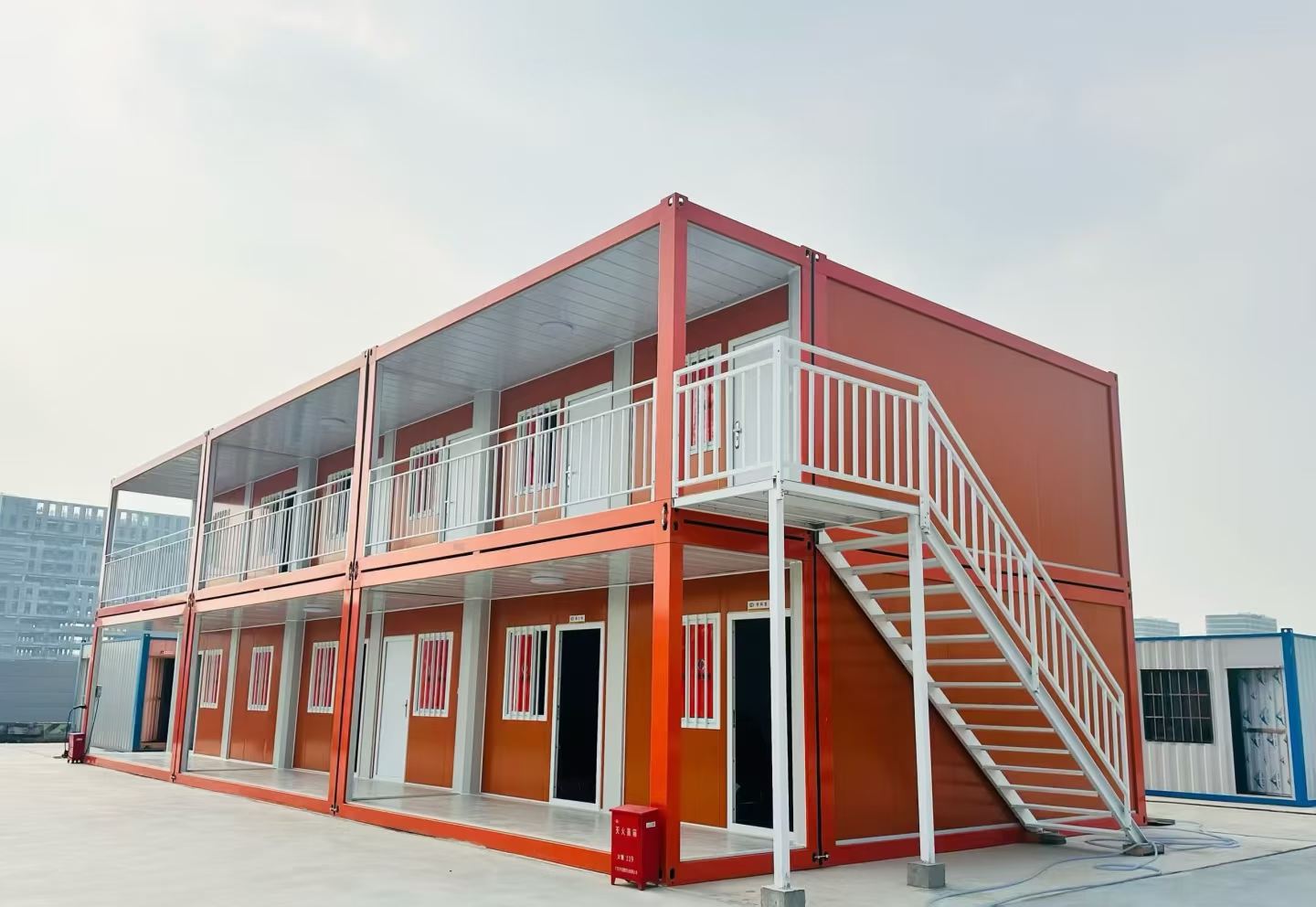
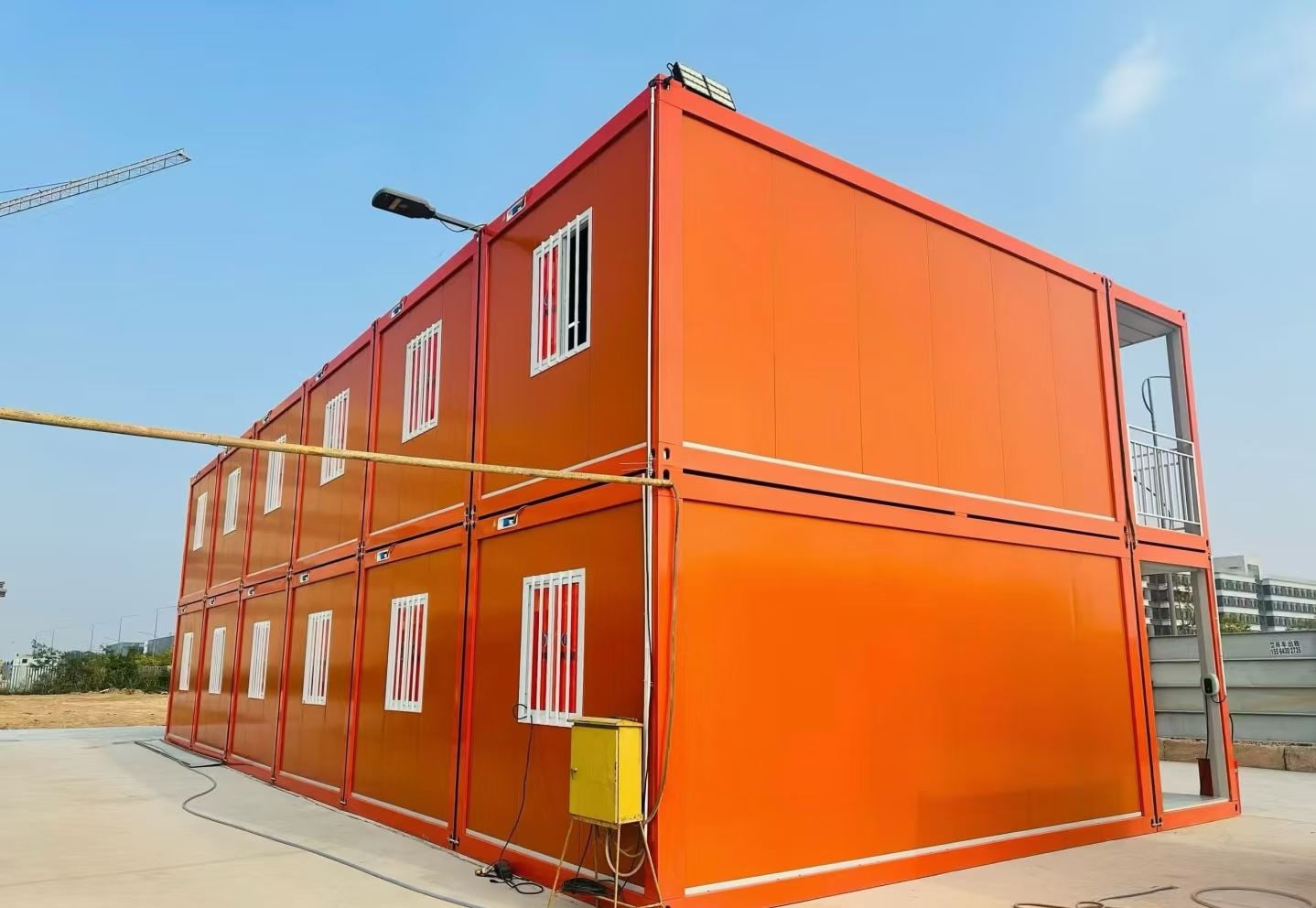
За строителни предприемачи, миньорски компании и разработчици на проекти модулните контейнерни къщи са станали стандартно решение за подслон на работниците, офиси на строителната площадка и временни лагерни сгради.
Обаче един често задаван въпрос от купувачите е:
Как контейнерните къщи могат да осигуряват комфорт както при лятната жега, така и при зимния студ?
Независимо дали вашият проект е разположен в снежните райони на Канада, в миньорските зони с висока температура в Австралия, на Близкия изток или в Северна Европа, правилната топлоизолация директно влияе върху:
Удобство за работниците
Консумация на енергия
Пrestойности на оборудването
Дълготрайна издръжливост на сградата
В тази статия обясняваме как правилно да изолирате контейнерните къщи тип „плосък пакет“ и модулните лагерни сгради на строителни площадки за употреба през цялата година.
Защо изолацията е от значение за контейнерните къщи на строителни площадки
Строителните лагери често функционират в екстремни среди:
Високи дневни температури
Студени нощи или зимен сняг
Силни ветрове и влажност
Отдалечени райони с ограничено енергоснабдяване
Лошата изолация може да причини:
Прекомерно вътрешно затопляне през лятото
Топлинни загуби през зимата
По-високи разходи за климатизация и отопление
Кондензация на влага и рискове от плесен
Затова топлоизолацията е един от най-важните фактори при избора на контейнерен дом за строителна площадка.
Стъпка 1: Изберете подходящия материал за стенови панели
Стеновата система е първият термичен бариеp на контейнерния дом.
Често използваните материали за топлоизолация включват:
Пенопластови сандвич панели
Сендвич панелите от каменна вата се използват широко в проекти за строителни лагери, защото предлагат:
Отлична термична изолация
Огнеустойчивост
Звукоизолация
Стабилна производителност както в горещи, така и в студени климатични условия
Това ги прави идеални за:
Работнически спалници
Офисни модули
Отдалечени проекти и лагери
Препоръчителна дебелина:
50 мм за умерени климатични зони
75–100 мм за студени или екстремни климатични зони
Панели PU сандвич
Полиуретанови сандвич панели осигуряват:
По-ниска топлопроводност
По-добра топлоизолация
Лекострумен конструкция
Те са особено подходящи за:
Екстремно студени региони
Енергоспестяващи модулни сгради
Стъпка 2: Подобрете системата за топлоизолация на покрива
Покривът получава най-прякото слънчево въздействие и атмосферно въздействие.
Добре изолиран покрив трябва да включва:
Стоманена покривна конструкция
Изолационен слой
Водонепроницаем слой за уплътняване
Топлинно отразяваща повърхност (по избор)
В горещи климатични зони като:
Австралия или Саудитска Арабия,
изолацията на покрива значително намалява натрупването на висока температура вътре в сградата.
В студени климатични зони като:
Канада или Русия,
тя помага да се предотврати топлинната загуба и кондензацията.
Стъпка 3: Монтиране на двойно стъклени прозорци
Прозорците често са най-слабата точка в термичната изолация.
Използването на двойни стъклопакети помага:
Намалява топлопреминаването
Подобрява вътрешния комфорт
Ниско енергиен разход
Намалява външния шум
За работнически лагери това също подобрява качеството на съня и жилищния комфорт.
Стъпка 4: Запечатване на процепи и конструктивни стави
Дори най-добрите изолационни материали могат да загубят ефективността си, ако има подтичания на въздух.
Основните области за запечатване:
Свързващи връзки между стените
Съединения на покрива
Двери
Ръбове на прозорците
Точки за свързване с пода
Профессионално уплътняване подобрява:
Съпротивност на вятър
Водоустойчиво представяне
Стабилност при температура
Това е особено важно в ветровити региони.
Стъпка 5: Подобрете топлоизолацията на пода
Топлоизолацията на пода често се пренебрегва при проекти за контейнерни лагери.
Добавянето на топлоизолация под пода помага за:
Предотвратяване на влага от земята
Намаляване на прехвърлянето на студен въздух
Подобряване на вътрешния комфорт през зимата
Препоръчителни решения:
Изолирани подови плочи
Бариери за влага
Антиплъзгащ PVC подов покритие
Препоръки за изолация, базирани на климата
Проекти за студен климат
Идеално за проекти в:
Канада, Нова Зеландия или Северна Европа
Препоръчани:
плочи от скална вата с дебелина 75–100 мм
Прозорци с двойно стъкло
Топлоизолационна подова настилка
Допълнителна интеграция на отоплителна система
Проекти за топъл климат
Идеално за проекти в:
Австралия, Обединени арабски емирства или Африка
Препоръчани:
Отражателно покривно покритие
Изолиращи панели от ПУ
Вентилационна система
Подготовка за климатична инсталация
Строителни лагери за всички сезони
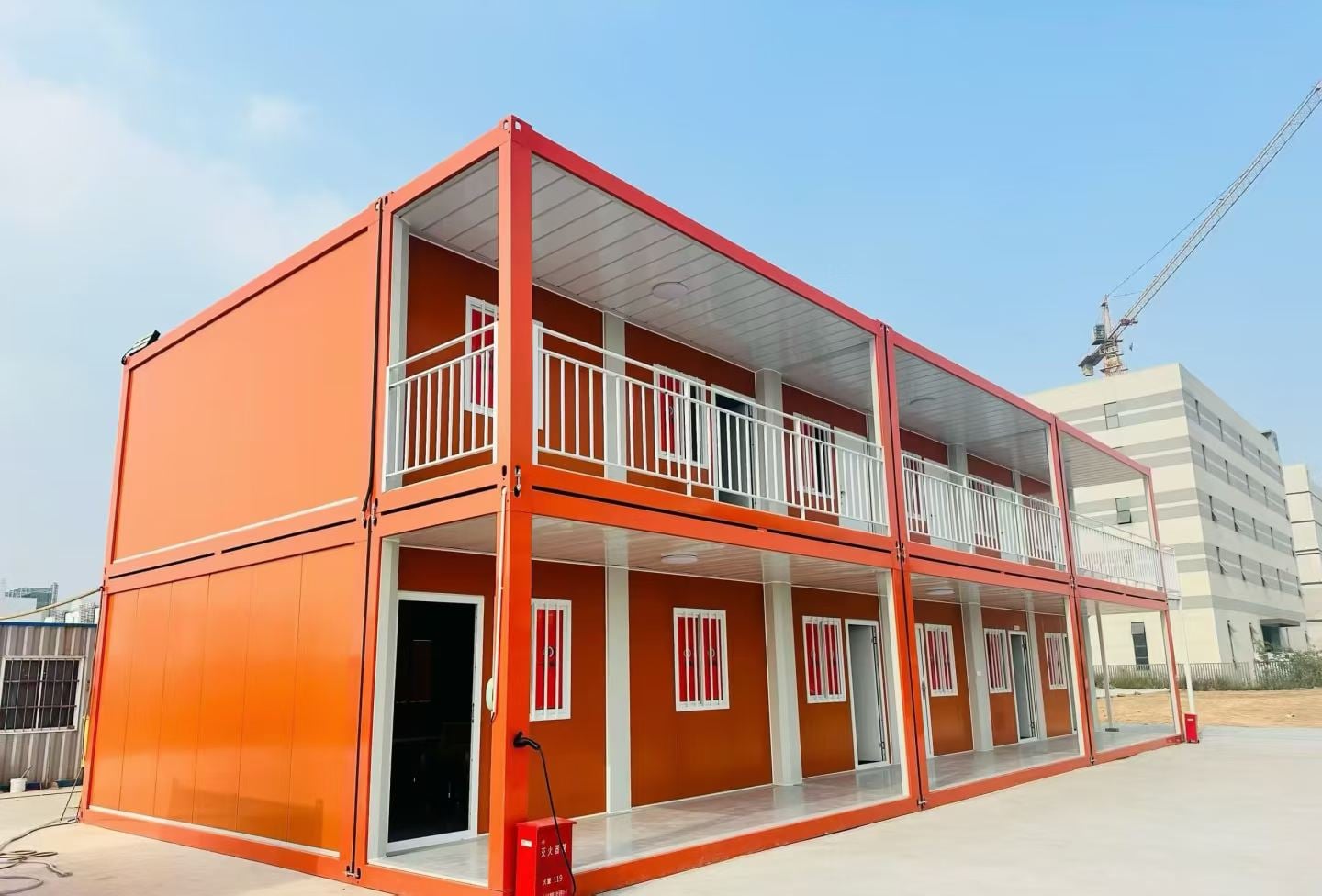
За проекти през цялата година комбинирането на всички системи гарантира най-добрата производителност.
Това е особено важно за:
Минни лагери
Проекти в нефтения и газов сектор
Строителни лагери за инфраструктурни проекти
Временни жилищни решения за правителството
Защо глобалните изпълнители избират контейнерни къщи Xinouda
Xinouda Steel Structure Engineering Co., Ltd. се специализира в модулни контейнерни сгради за глобални инженерни проекти.
Нашият изолиран контейнерен дом включва:
Високоякостни поцинковани стоманени рамки
Огнеустойчиви изолирани стенни системи
Персонализирани климатични решения
Срок на експлоатация повече от 15 години
Продуктите на Xinouda се използват широко в:
Работнически лагери
Офисни модули
Жилищни помещения за миньори
Временни болници
Проекти за аварийно жилищно обзавеждане
Търсим дистрибутори и партньори по проекти
Поради растящия спрос към изолирани модулни сгради, „Синьоуда“ активно търси:
Строителни предприемачи
Дистрибутори на строителни материали
Разработчици на проекти
Местни партньори по целия свят
Приветстваме дългосрочно сътрудничество.
Свържете се с XINOUDA днес
Планирате ли строителен лагер, работнически общежития или модулна система за жилищно строителство?
Свържете се с Xinouda за персонализирани решения за топлоизолация.
SEO ключови думи
изолация на къща-контейнер
топлоизолация за контейнерни къщи с плоско опаковка
модулно жилищно обзавеждане за работници
контейнерна къща за строителна площадка
контейнерна къща за всички сезони
изолирана модулна контейнерна сграда
предварително изработено жилищно обзавеждане за работници
Контейнерна къща Xinouda