Eco-Friendly Foldable Container Homes | 65% Lower Emissions

Contact Me Immediately If You Encounter Problems!

All Categories

Jinan Xinouda: Leading the Way in Eco-Friendly Foldable Container Homes

Jinan Xinouda Import & Export Co., Ltd., established in 2006 and headquartered in Jinan, China, is a globally trusted pioneer in modular construction. As an ISO 9001 & CE-certified manufacturer, we specialize in designing and exporting premium prefabricated structures, including environment-friendly foldable container homes. Our solutions combine sustainability, mobility, and durability, serving residential, commercial, and disaster relief projects across 38 countries. With 17+ years of expertise, we prioritize eco-conscious materials, energy efficiency, and zero-waste production to meet modern housing demands while reducing environmental impact.
Get A Quote


Why Xinouda’s Eco-Friendly Foldable Container Homes Outperform Traditional

98% Recyclable Materials for Circular Economy

Our foldable container homes are constructed using 98% recyclable aluminum and steel frames, paired with non-toxic, biodegradable insulation panels. At the end of their lifecycle, the aluminum can be melted down and repurposed into new construction materials, while the insulation grinds into eco-friendly building aggregates. This closed-loop system minimizes landfill waste and aligns with global sustainability certifications like LEED and BREEAM. Clients benefit from reduced carbon footprints and compliance with strict environmental regulations.

40% Lower Energy Consumption via Smart Design

The homes feature integrated solar-ready roofing, double-glazed windows, and aerodynamic shapes that reduce heating/cooling demands by up to 40%. The foldable structure’s compact transportation form also cuts fuel emissions during shipping by 30% compared to rigid containers. Inside, LED lighting and energy-efficient appliances come standard, while optional rainwater harvesting systems and composting toilets further slash resource use. These innovations lower utility bills and operational costs for end-users.

Related products

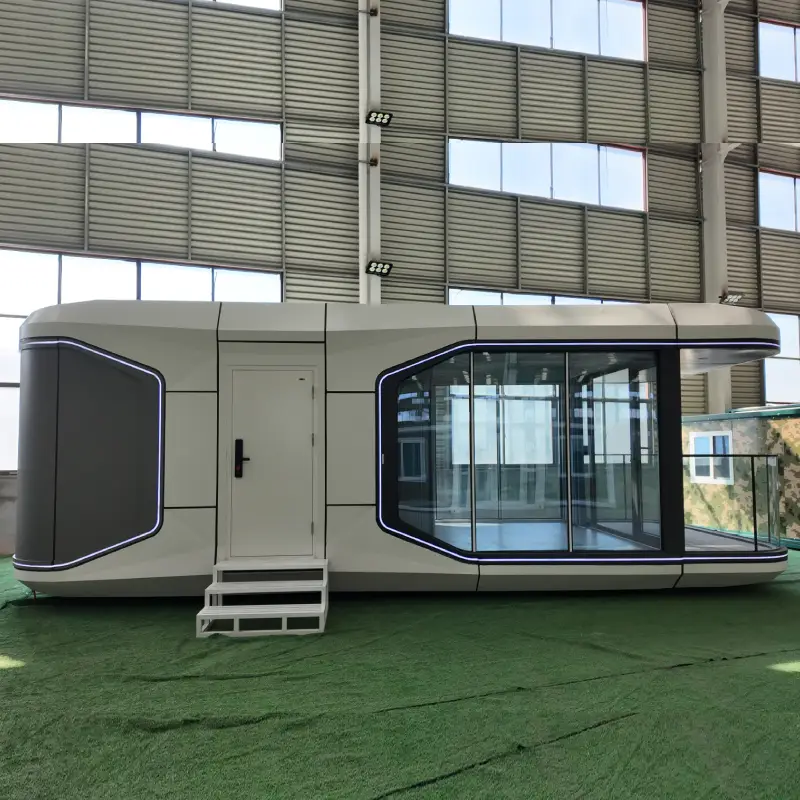
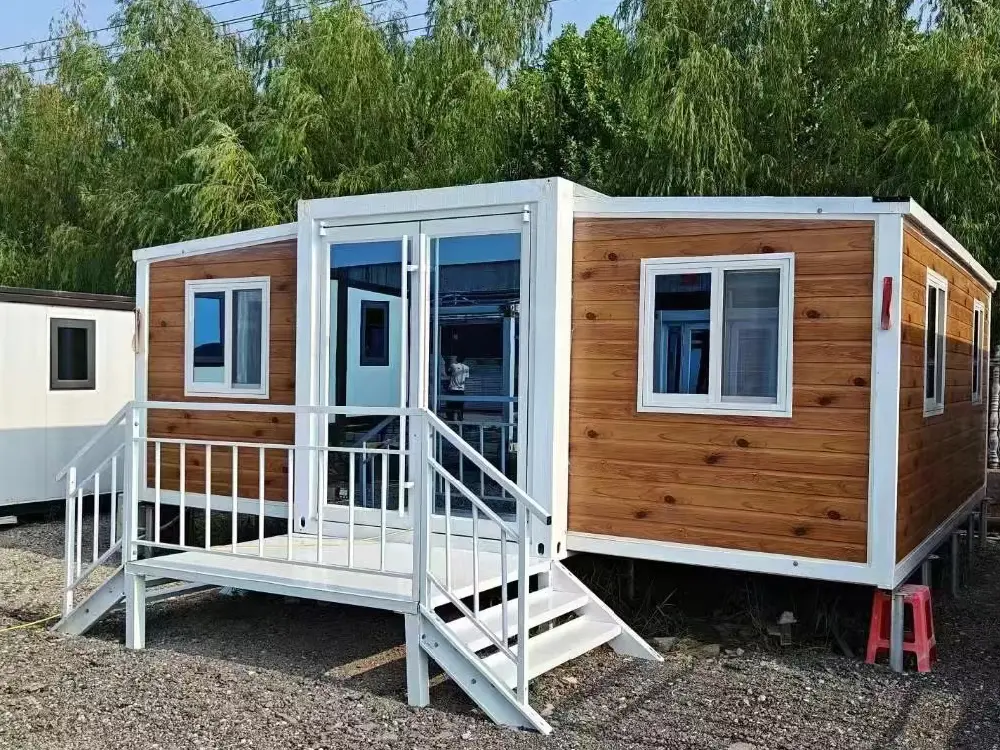
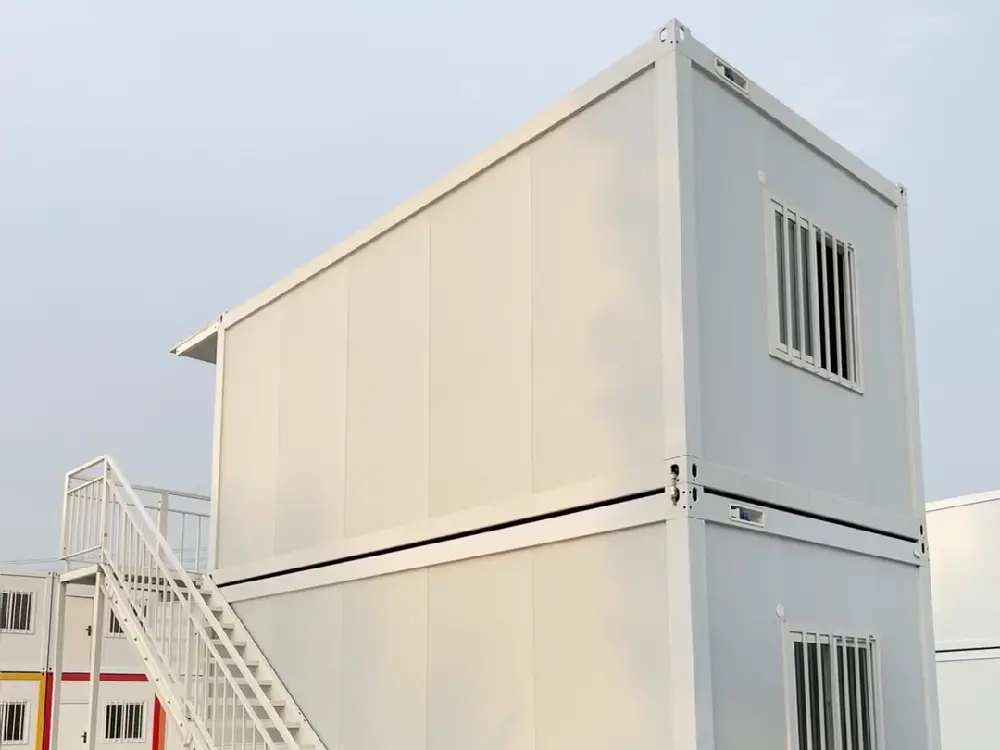
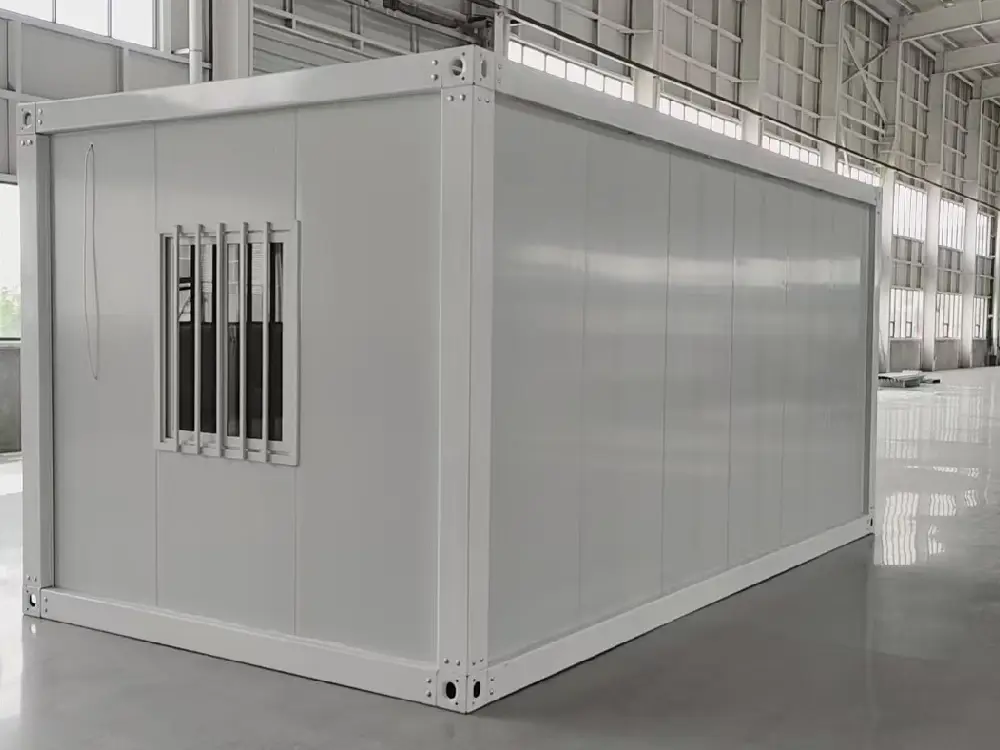
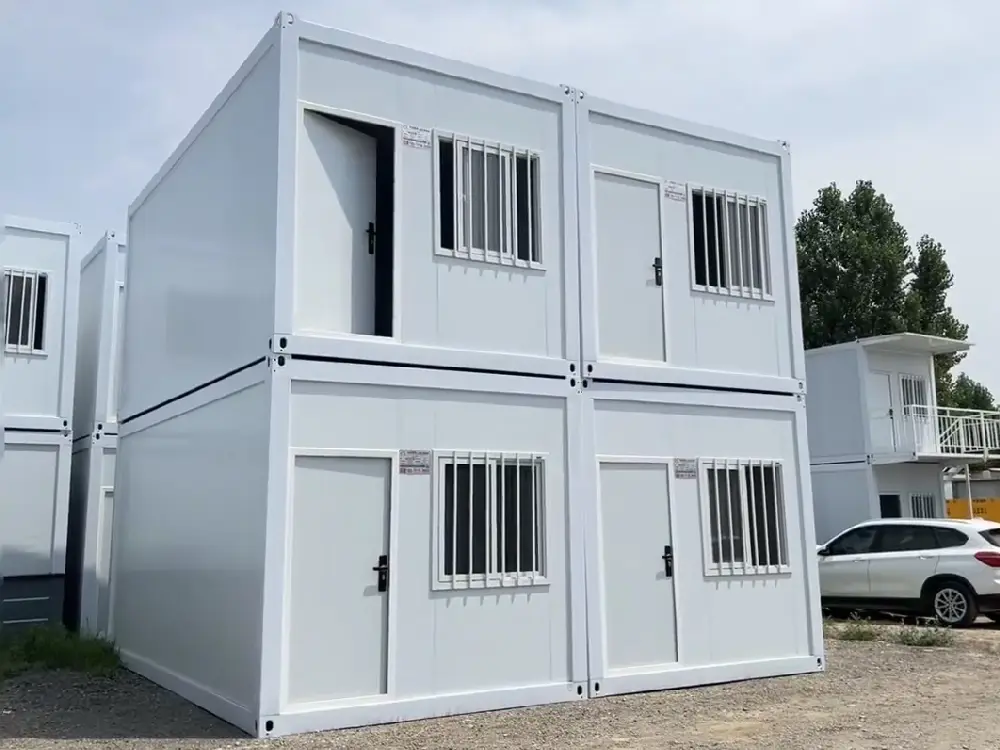
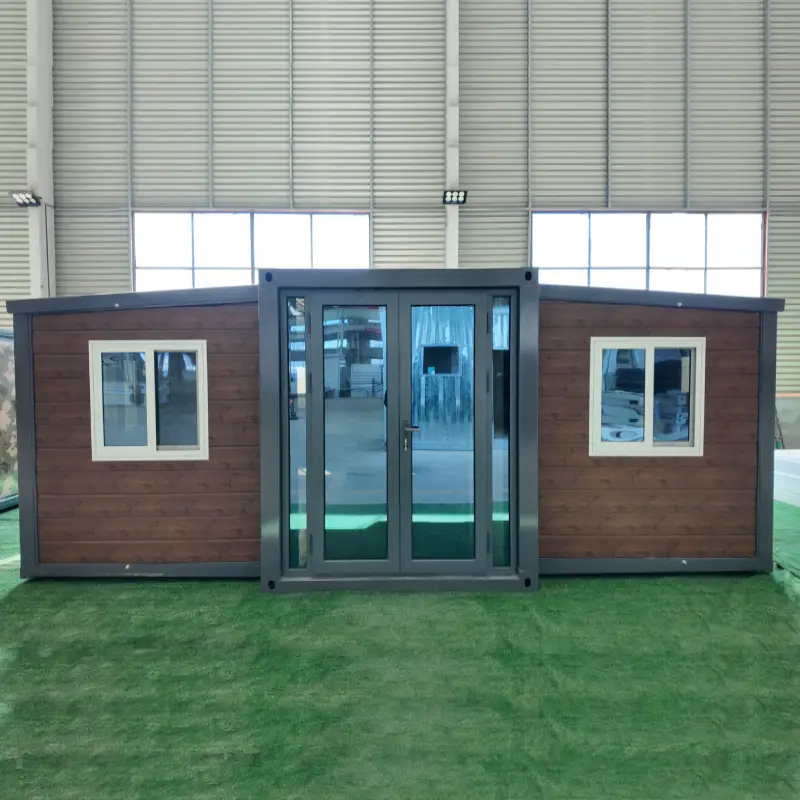
Jinan Xinouda’s environment-friendly foldable container homes redefine sustainable living by merging cutting-edge eco-design with modular flexibility. Crafted from 98% recyclable aluminum and steel, these homes minimize raw material extraction while ensuring longevity. The non-toxic, biodegradable insulation panels—made from recycled denim or cellulose—provide thermal efficiency without off-gassing harmful chemicals. During manufacturing, we prioritize renewable energy sources, with 60% of factory operations powered by solar panels, and implement water recycling systems to reduce consumption by 70%. The foldable design shines in transportation: collapsing to 40% of assembled size, each unit fits 30+ per 40-ft container, cutting freight emissions by 30% versus rigid alternatives. On-site, assembly requires no concrete foundations, preserving natural landscapes and reducing construction waste. Energy efficiency is embedded in every detail, from double-glazed windows that slash HVAC loads by 40% to solar-ready roofing that supports off-grid living. Optional add-ons like rainwater harvesting tanks and composting toilets enable zero-utility lifestyles in remote areas. These homes meet Passive House standards in climate control, maintaining comfortable temperatures year-round with minimal energy input. For disaster relief or temporary housing, their rapid deployment—8 workers can assemble a unit in 4 hours—ensures immediate shelter without compromising sustainability. Businesses adopting these homes for worker accommodations report 25% lower operational costs due to reduced energy and water use. Architects appreciate the design freedom: panels can be customized with bamboo, reclaimed wood, or low-VOC paints to blend with natural surroundings. Certified by ISO 14001 for environmental management, Xinouda’s homes also comply with EU Ecolabel and Cradle to Cradle criteria, appealing to eco-conscious consumers and governments alike. Whether used as permanent residences, mobile clinics, or educational pods, these foldable containers prove that sustainability and scalability can coexist without trade-offs.

Frequently Asked Questions

How do foldable container homes reduce environmental impact during transportation?

Our foldable design collapses units to 40% of their assembled size, allowing 30+ homes per 40-ft container. This optimization cuts shipping volume by 65%, reducing fuel consumption and carbon emissions by 30% compared to rigid containers. The lightweight aluminum frame further minimizes freight weight, lowering costs and environmental footprints per mile traveled.
Absolutely. Each unit comes pre-wired for solar panel integration, with battery storage options for 24/7 power. Optional rainwater harvesting systems collect and filter up to 500 liters/day, while composting toilets eliminate sewage infrastructure needs. The insulation maintains interior temperatures between 18–25°C without heating/cooling in moderate climates, making them ideal for eco-resorts, research stations, or disaster zones lacking utilities.

Related Articles

Vertical Expansion: A New Trend in Container Homes

06

May

Vertical Expansion: A New Trend in Container Homes

The Rise of Vertical Expansion in Container LivingAddressing Urban Space Scarcity Cities around the world are running out of room as more people pack into urban centers and affordable housing becomes harder to find. We need something new, and buildin...
View More
Prefab Container House Maintenance Tips

06

May

Prefab Container House Maintenance Tips

Essential Exterior Maintenance for Prefab Container Homes Container homes made from prefabs combine strength with contemporary looks, though keeping the outside looking good matters a lot for how long they last. Rust stops being a problem when we tak...
View More
Quick - Assembly Container Houses: A Step - by - Step Guide

06

May

Quick - Assembly Container Houses: A Step - by - Step Guide

Planning Your Quick-Assembly Container House Assessing Needs for Container Kit House Designs Starting with what the container kit house will actually be used for is probably the most important first step in the planning process since this basic deci...
View More
Emergency Pack Container Shelters: Rapid Relief Solutions

06

May

Emergency Pack Container Shelters: Rapid Relief Solutions

Understanding Emergency Pack Container Shelters for Disaster ResponseWhy Rapid Deployment Matters in Crisis Situations Getting things deployed fast matters a lot when disasters hit, especially after roads get washed away or buildings collapse. The ti...
View More

customer evaluation

Alexandra
A Game-Changer for Sustainable Tourism

We deployed Xinouda’s foldable container homes as eco-lodges in Costa Rica’s rainforest. Guests love the bamboo finishes and zero-waste ethos, while we appreciate the 40% lower energy bills from solar integration. The compact shipping reduced our carbon footprint by 5 tons compared to traditional builds. These homes prove luxury and sustainability can coexist.

Disaster Relief With a Green Conscience

After flooding in Bangladesh, we used these homes as emergency shelters. Their foldable design let us transport triple the usual aid volume per shipment, reaching 1,200 families in 72 hours. The recyclable materials prevented plastic waste, and the solar lights provided safety without diesel generators. Relocating units later to permanent sites cost 60% less than rebuilding.

Get a Free Quote

Our representative will contact you soon.
Email
WhatsApp
Name
Company Name
Message
0/1000
65% Reduced Shipping Emissions

65% Reduced Shipping Emissions

By collapsing to 40% of assembled size, each 40-ft container holds 30+ homes, cutting freight volume and fuel use by 65%. This lowers per-unit transportation emissions to just 0.8kg CO2/mile, versus 2.5kg for rigid containers.
Solar-Ready Off-Grid Capability

Solar-Ready Off-Grid Capability

Every home includes pre-installed solar conduits and battery storage slots, enabling instant off-grid power. Paired with rainwater systems, they provide self-sufficiency in areas without utilities, reducing reliance on fossil fuels.
 Zero-Waste Construction

Zero-Waste Construction

98% of materials recycle at end-of-life: aluminum frames melt into new products, insulation grinds into eco-aggregates, and steel reuses in construction. This aligns with global zero-landfill goals and circular economy principles.
Email Email WhatsApp WhatsApp Facebook Facebook Youtube Youtube Instagram Instagram Tiktok Tiktok Linkedin Linkedin
Newsletter
Please Leave A Message With Us