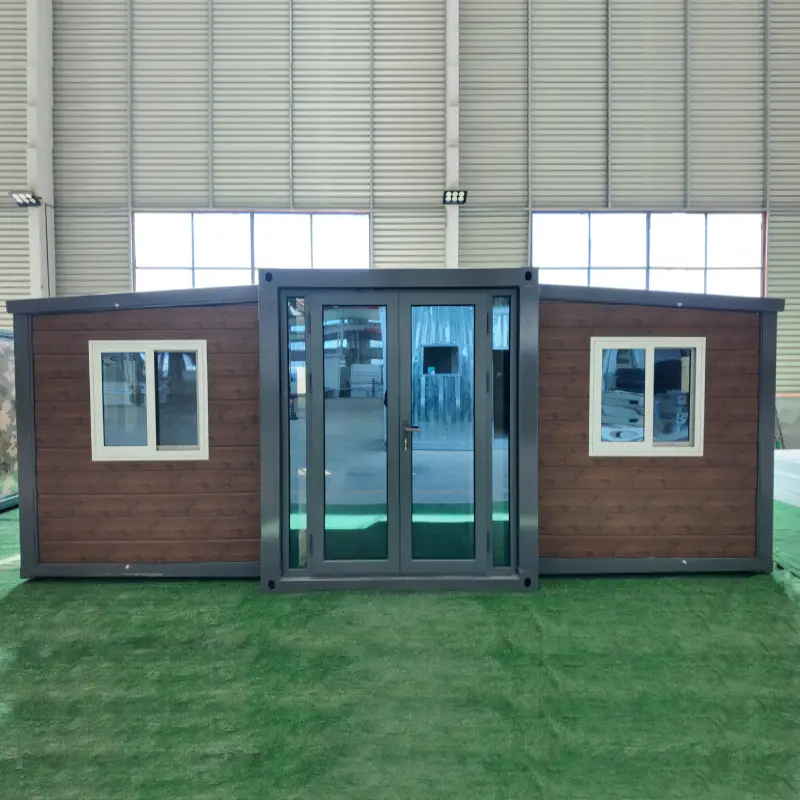
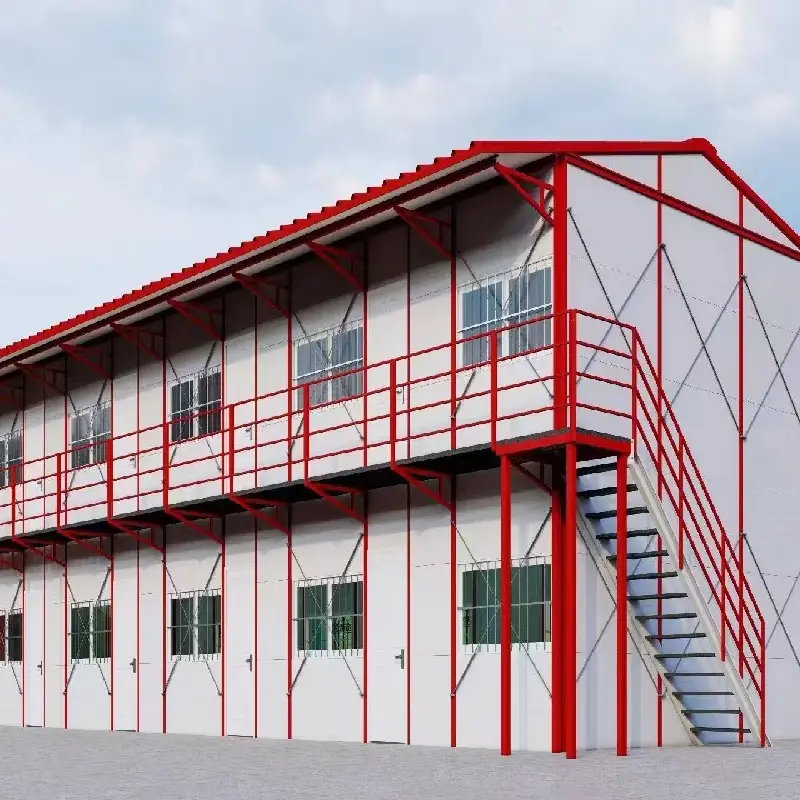
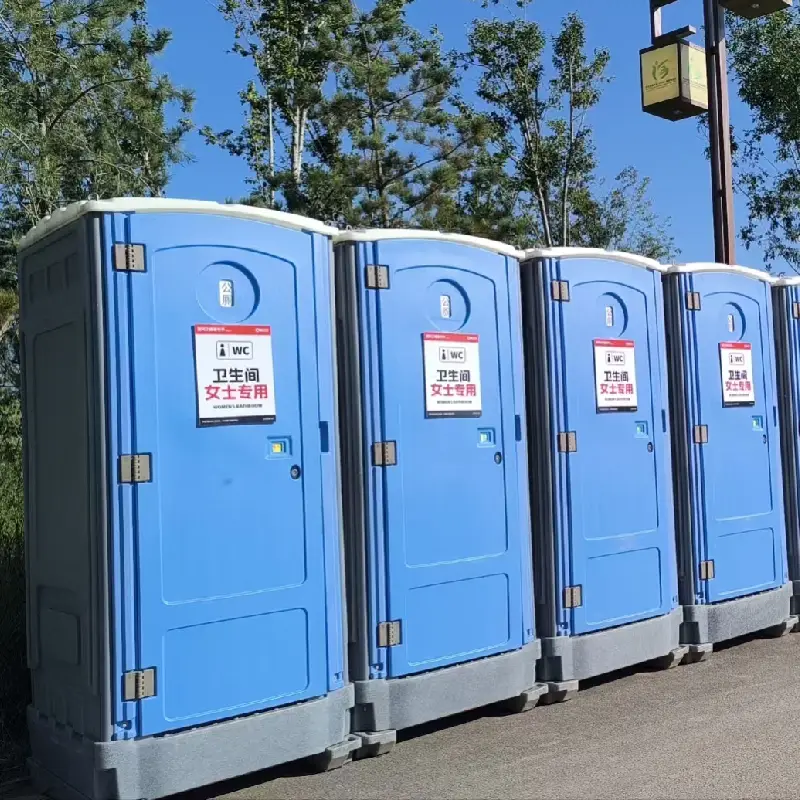
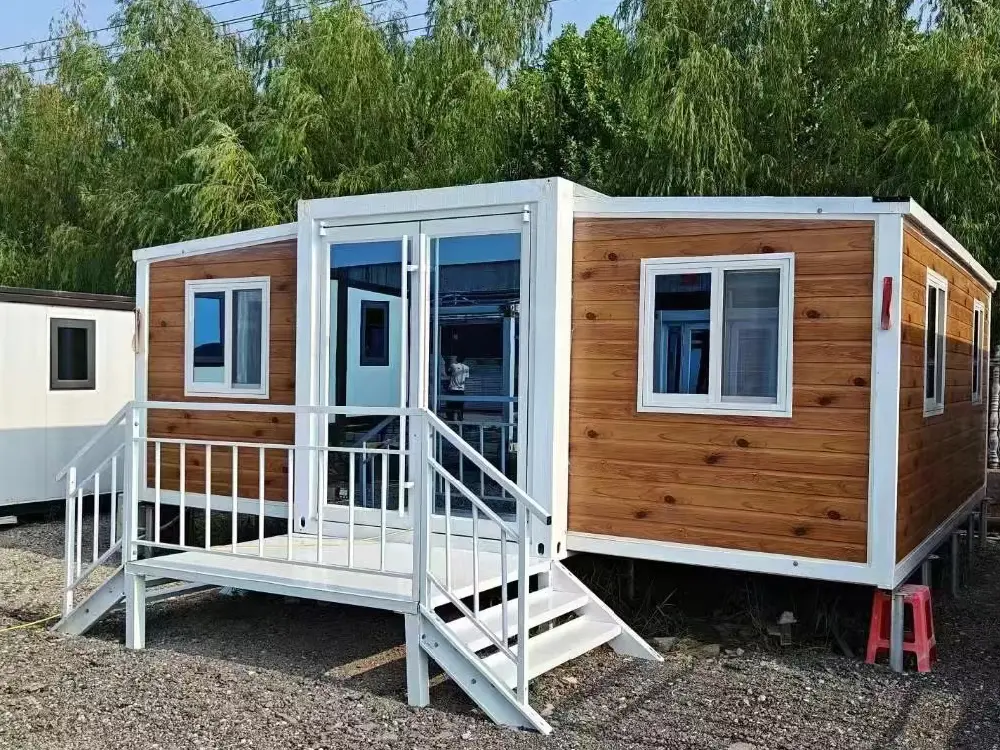
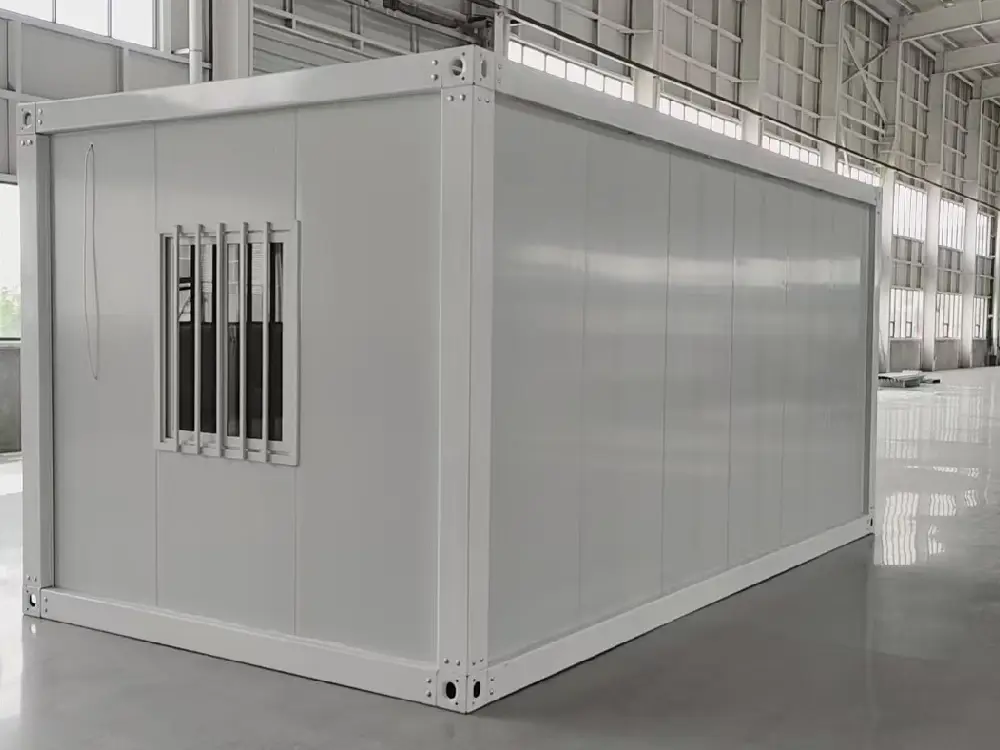
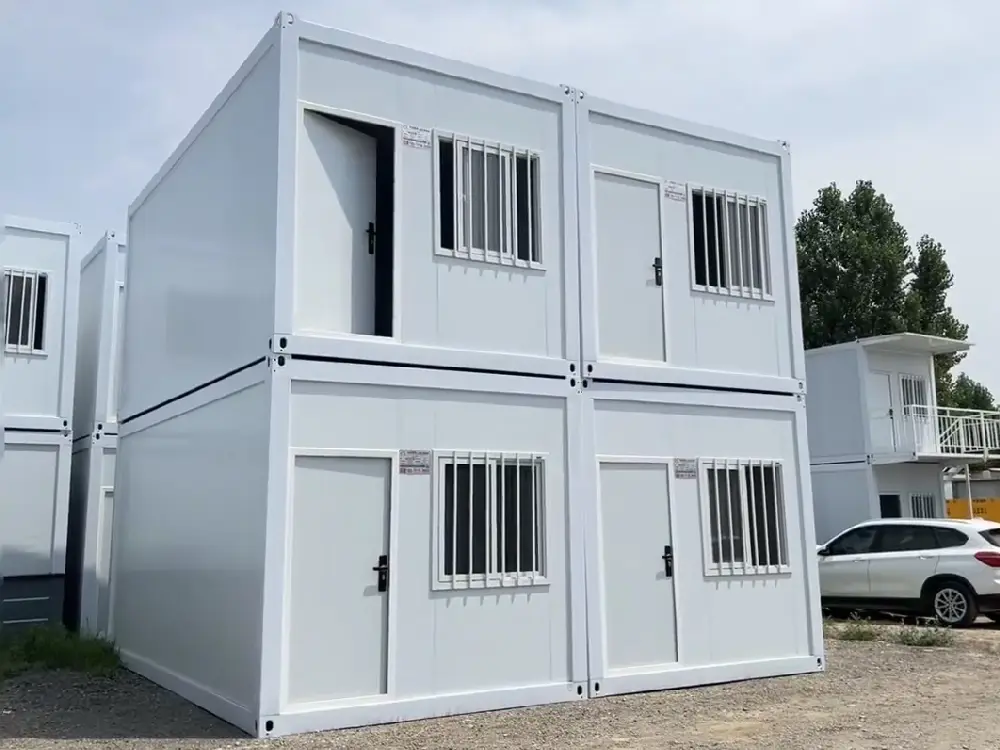
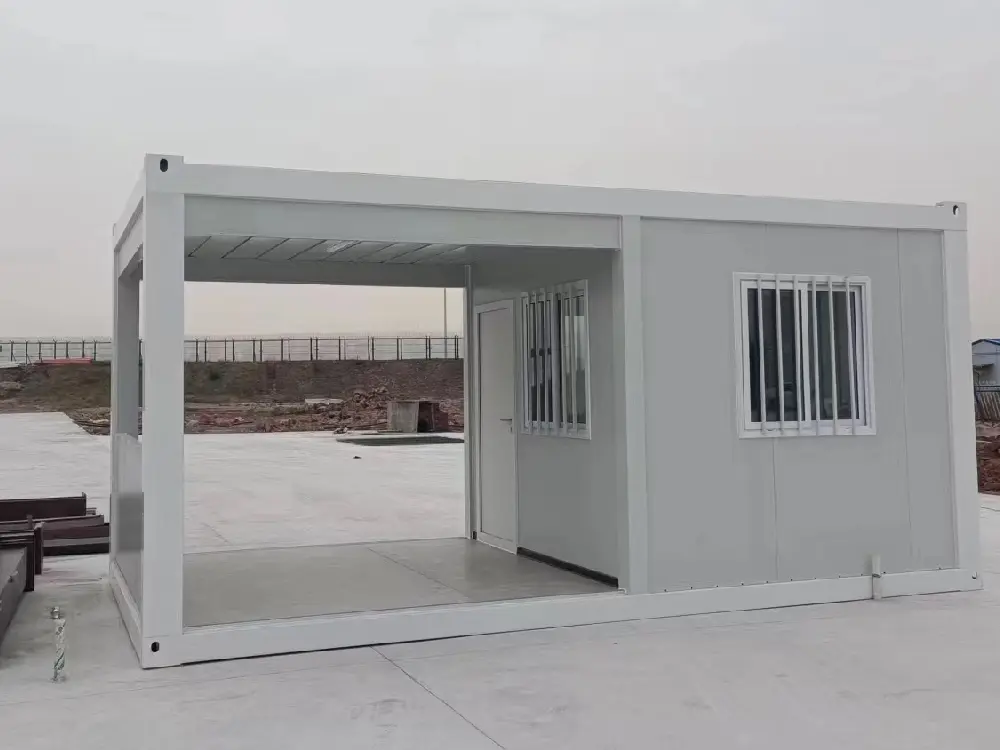
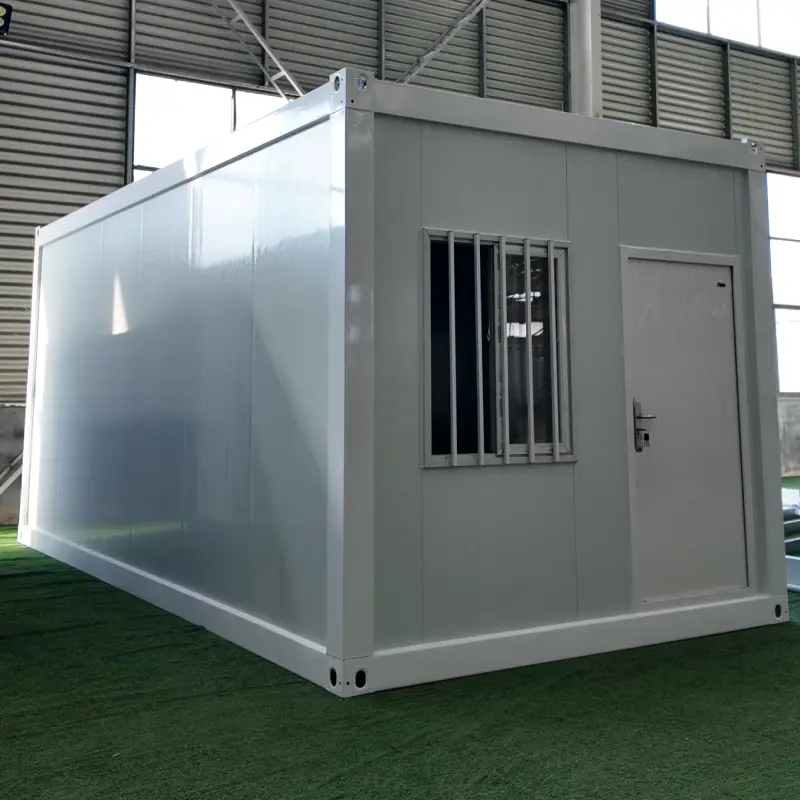
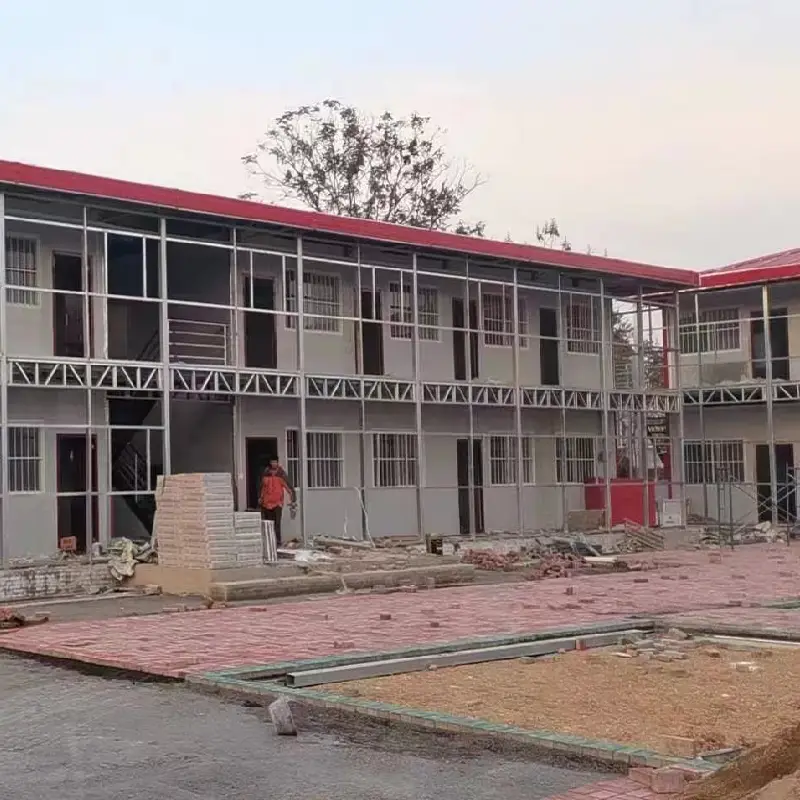
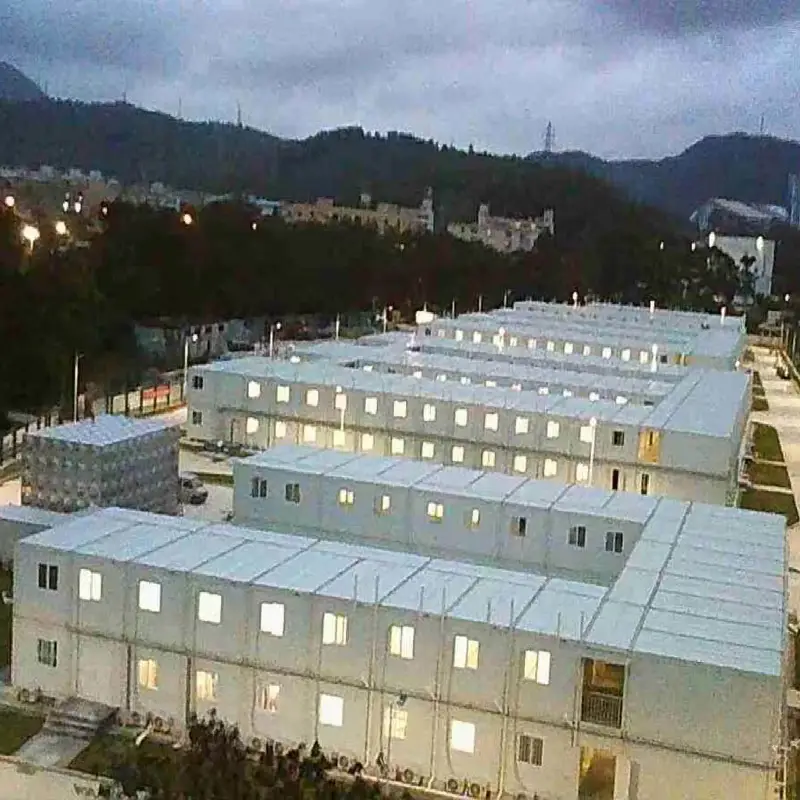
Emergency Pack Container Shelter with Superior Ventilation

Contact Me Immediately If You Encounter Problems!

All Categories

Jinan Xinouda: Emergency Pack Container Shelters with Superior Ventilation

Jinan Xinouda Import & Export Co., Ltd., a leading modular construction expert since 2006, specializes in engineering and exporting premium prefabricated structures. Based in Jinan, Shandong Province—China’s manufacturing heartland—we deliver ISO 9001 & CE-certified solutions tailored for disaster relief, military operations, and remote projects. Our emergency pack container shelters with advanced ventilation systems ensure safe, breathable environments in crisis scenarios. With 17+ years of experience, 3 production bases, and global logistics expertise, we provide full-cycle support from CAD design to on-site installation, meeting FEMA, EU, and Middle East compliance standards.
Get A Quote


Why Jinan Xinouda’s Ventilated Shelters Outperform Competitors

Engineered Airflow for Healthier Environments

Our shelters feature dual-ventilation systems combining passive cross-ventilation and powered exhaust fans. Strategically placed intake vents at floor level draw in fresh air, while roof-mounted exhaust units expel stale air at a rate of 1,200 CFM (cubic feet per minute). This design maintains consistent air exchange even in densely packed camps, reducing CO2 levels by 40% compared to standard tents. Clients in humid regions like Malaysia report a 50% decline in mold-related respiratory issues after switching to our shelters.

Energy-Efficient Climate Control

The ventilation system integrates with optional solar-powered fans, cutting energy consumption by 70% versus diesel generators. In extreme heat, the design lowers internal temperatures by 8–10°C (14–18°F) through airflow acceleration. During a 2024 wildfire response in California, our shelters maintained breathable conditions for 72 hours straight despite external smoke, earning praise from FEMA for “innovative resilience.”

Related products

When disaster strikes, maintaining air quality in emergency shelters isn’t just a comfort—it’s a lifesaver. Jinan Xinouda’s emergency pack container shelters with good ventilation redefine crisis housing by merging robust engineering with health-focused design. Each unit features a dual-layer ventilation system: passive cross-ventilation channels fresh air through floor-level vents, while powered roof exhausts expel stale air at 1,200 CFM, ensuring 15 complete air exchanges per hour. This meets WHO standards for pandemic isolation facilities, making the shelters ideal for quarantine zones or chemical spill responses. The design includes adjustable louvers for humidity control, preventing condensation buildup in tropical climates. Structurally, the shelters use aerospace-grade aluminum frames with corrosion-resistant coatings, paired with fire-retardant composite walls that achieve an A2 fire rating. Installation requires no foundations—units anchor directly to ground stakes, reducing setup time to 90 minutes per shelter. For scalability, modules interconnect via airtight seals, forming compounds that house 200+ people while maintaining individual ventilation zones. In 2023, the Philippines Red Cross deployed 50 units during Typhoon Haiyan, reporting zero cases of heatstroke or airborne illness among 1,200 occupants. The system’s energy efficiency shines through optional solar-powered fans, which cut reliance on generators by 70%. During a 2024 wildfire in Australia, solar-augmented units maintained breathable conditions for 72 hours despite external smoke. Clients also appreciate the low-maintenance design: filters require cleaning only every 90 days, and motorized components come with a 5-year warranty. From earthquake zones to pandemic hotspots, Jinan Xinouda’s ventilated shelters prove that safety and sustainability can coexist in crisis housing.

Frequently Asked Questions

How does ventilation impact long-term shelter use?

Proper ventilation prevents moisture buildup, which can lead to mold growth and respiratory illnesses. Our shelters achieve 15 air exchanges per hour—triple the rate of standard tents—ensuring fresh air circulation even in crowded conditions. This reduces healthcare costs by 35% in prolonged deployments, as seen in UNHCR camps in Jordan.
Yes. The passive cross-ventilation design relies on natural airflow through strategically placed vents, requiring no power. For extreme climates, optional solar-powered fans provide supplemental airflow, cutting generator use by 70%. In offline scenarios, manual vent adjustments maintain basic airflow.

Related Articles

Vertical Expansion: A New Trend in Container Homes

06

May

Vertical Expansion: A New Trend in Container Homes

The Rise of Vertical Expansion in Container LivingAddressing Urban Space Scarcity Cities around the world are running out of room as more people pack into urban centers and affordable housing becomes harder to find. We need something new, and buildin...
View More
Quick - Assembly Container Houses: A Step - by - Step Guide

06

May

Quick - Assembly Container Houses: A Step - by - Step Guide

Planning Your Quick-Assembly Container House Assessing Needs for Container Kit House Designs Starting with what the container kit house will actually be used for is probably the most important first step in the planning process since this basic deci...
View More
Emergency Pack Container Shelters: Rapid Relief Solutions

06

May

Emergency Pack Container Shelters: Rapid Relief Solutions

Understanding Emergency Pack Container Shelters for Disaster ResponseWhy Rapid Deployment Matters in Crisis Situations Getting things deployed fast matters a lot when disasters hit, especially after roads get washed away or buildings collapse. The ti...
View More
Easy - to - Build Container Homes for Beginners

08

May

Easy - to - Build Container Homes for Beginners

Why Container Homes Are Ideal for First-Time Builders Affordable Entry Point for Sustainable Living Container homes present a much cheaper option compared to regular houses, sometimes coming in at around half the price of what people typically pay ...
View More

customer evaluation

Cameron
Life-Saving Airflow in Earthquake Zones

After the 2023 Turkey earthquake, we deployed 30 Xinouda shelters with enhanced ventilation. The dual-system design kept internal temperatures bearable despite 40°C heat, while air exchanges reduced dust inhalation risks. Local doctors noted a 60% drop in respiratory cases compared to previous tent camps.

Ashley
Solar-Powered Relief for Remote Villages

In Papua New Guinea’s highlands, our clinic team relied on Xinouda’s ventilated shelters during a measles outbreak. The solar fans maintained airflow during power outages, and the adjustable vents controlled humidity in rainy seasons. We’ve ordered 20 more units for our malaria prevention program.

Get a Free Quote

Our representative will contact you soon.
Email
WhatsApp
Name
Company Name
Message
0/1000
WHO-Compliant Air Quality Standards

WHO-Compliant Air Quality Standards

Each shelter undergoes airflow testing to meet WHO guidelines for pandemic isolation, ensuring 15 air exchanges/hour and CO2 levels below 1,000 ppm. Certification documents are provided with every order.
 Solar-Ready Design for Off-Grid Use

Solar-Ready Design for Off-Grid Use

Pre-wired solar panels power ventilation fans for 72+ hours on a single charge, eliminating diesel noise and emissions. Clients in Africa report 90% cost savings versus generator-dependent alternatives.
Modular Scalability Without Compromise

Modular Scalability Without Compromise

Units interconnect via airtight seals, forming compounds that maintain individual ventilation zones. A 10-unit compound houses 50 people with consistent airflow, unlike tents that lose efficiency when clustered.
Email Email WhatsApp WhatsApp Facebook Facebook Youtube Youtube Instagram Instagram Tiktok Tiktok Linkedin Linkedin
Newsletter
Please Leave A Message With Us