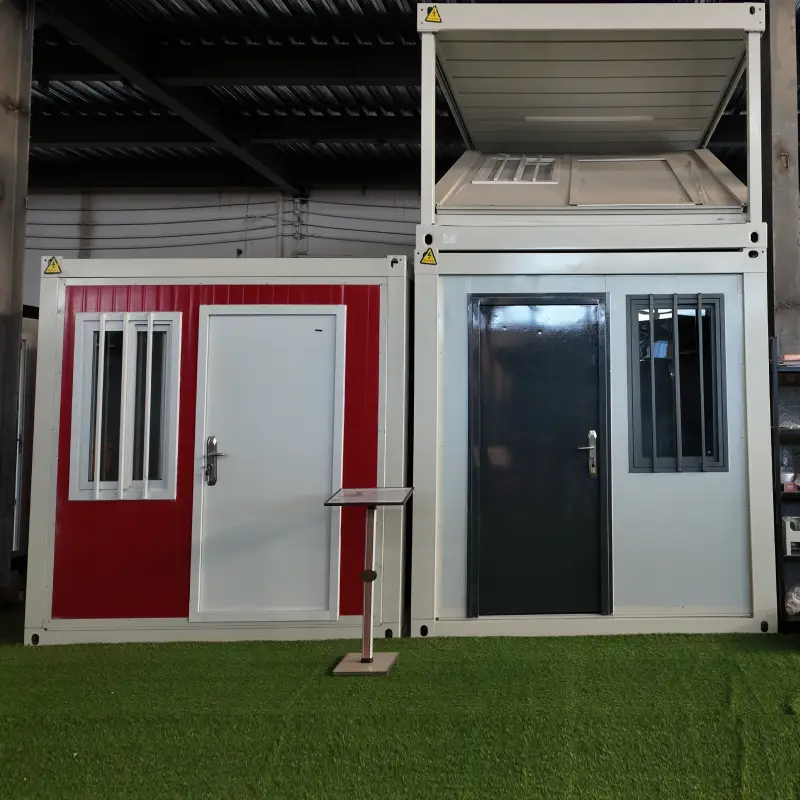
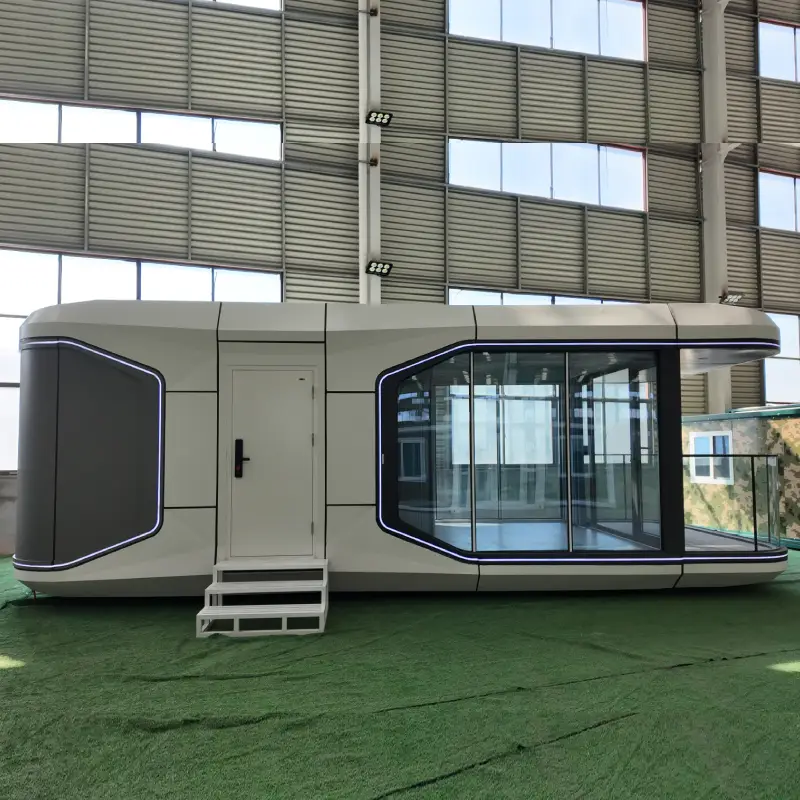
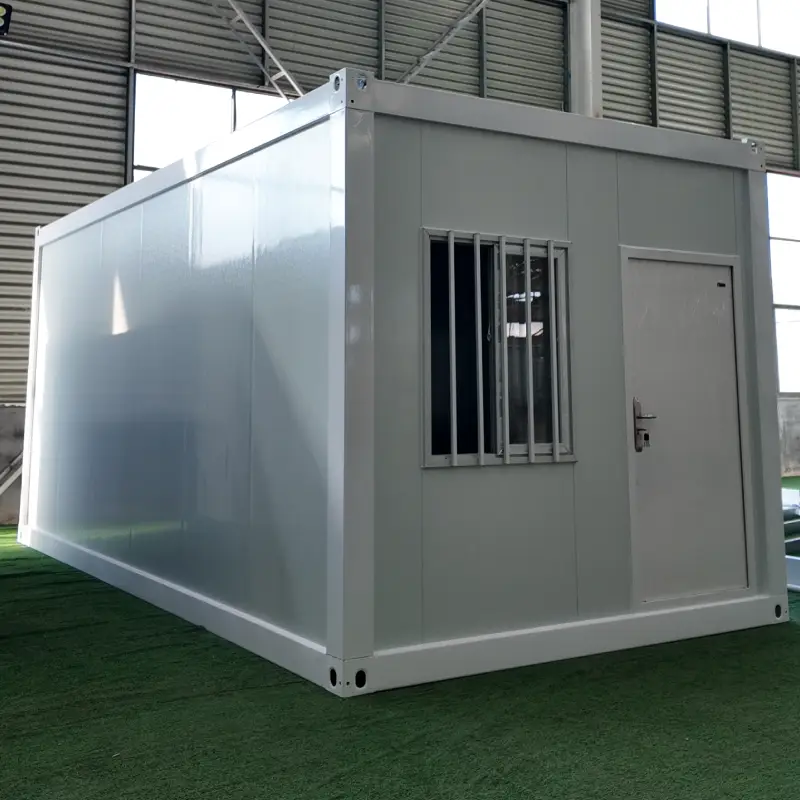
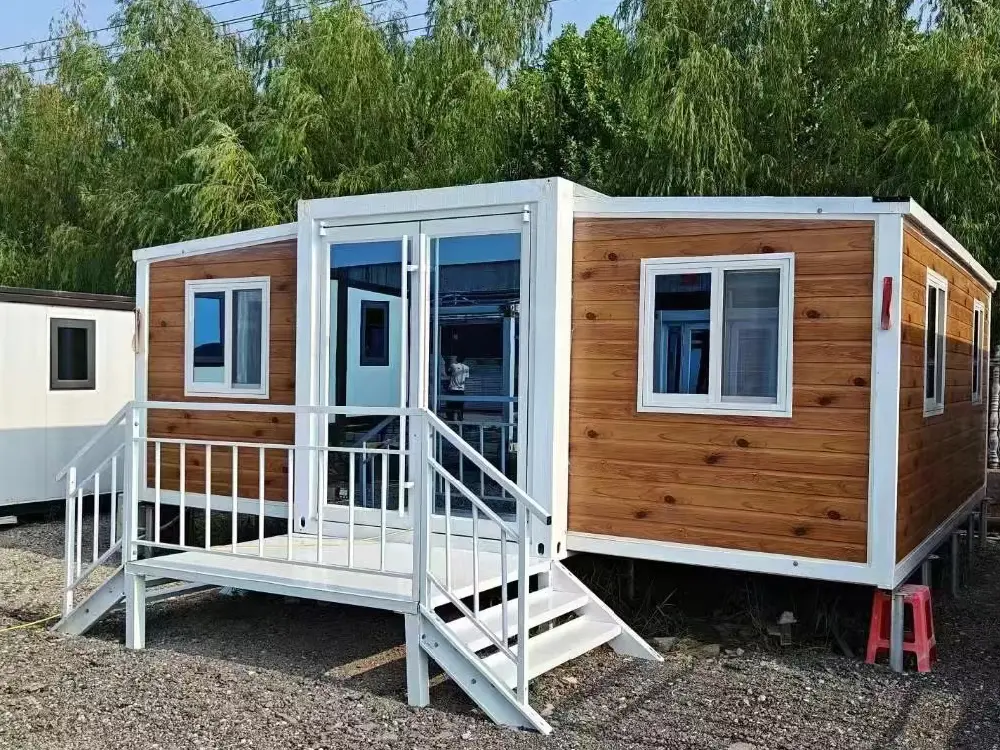
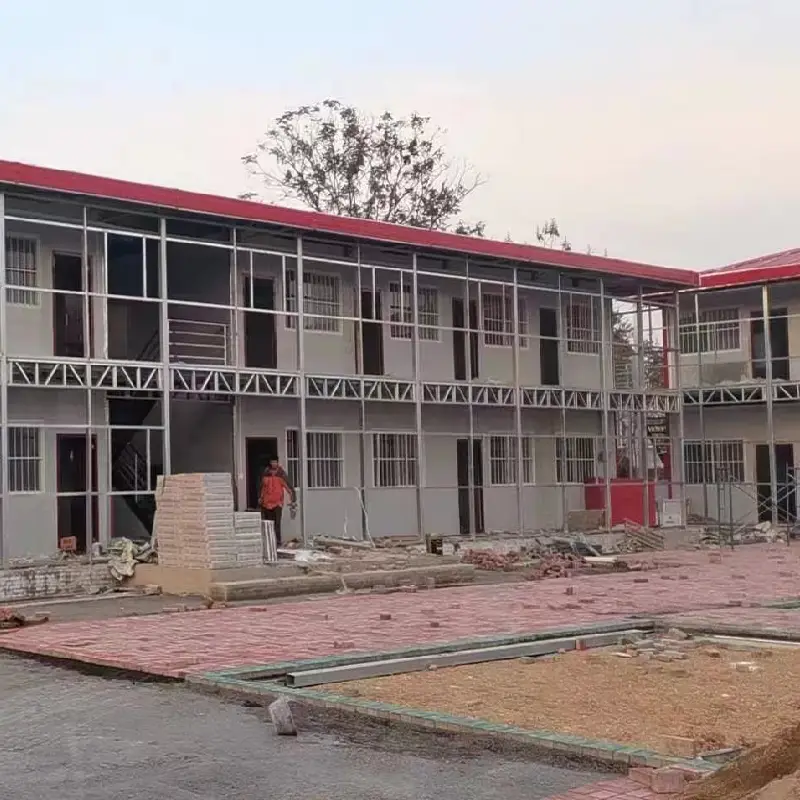
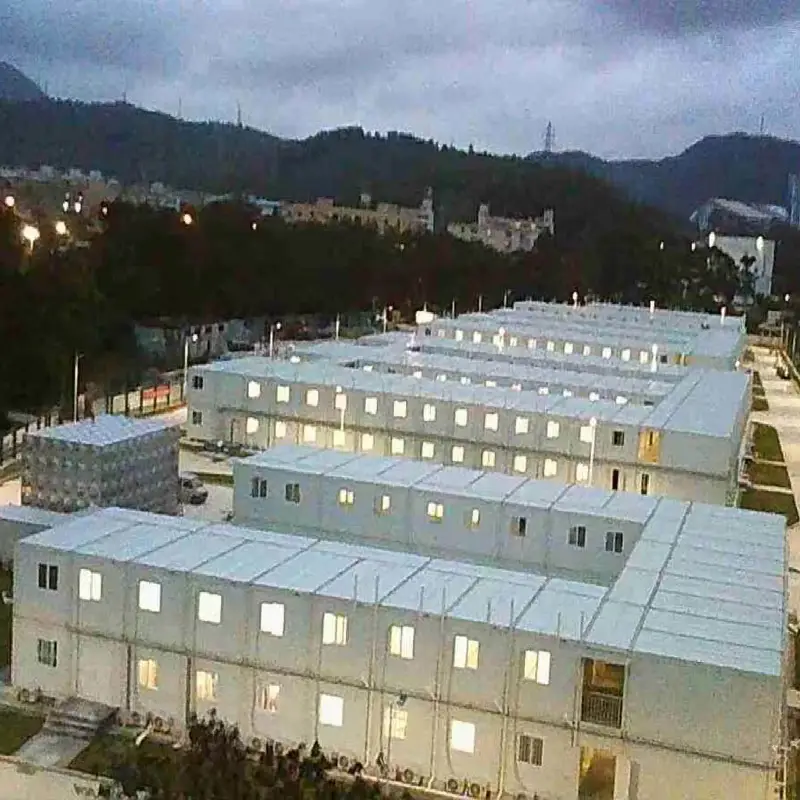
Easy-to-Assemble Emergency Pack Container Shelter [30-Min Deploy]

Contact Me Immediately If You Encounter Problems!

All Categories

Jinan Xinouda: Pioneering Easy-to-Assemble Emergency Pack Container Shelters

Jinan Xinouda Import & Export Co., Ltd., established in 2006 and headquartered in Jinan, Shandong Province, is a globally recognized ISO 9001 & CE-certified manufacturer specializing in modular prefabricated structures. With over 17 years of expertise, we design and export innovative solutions tailored for disaster relief, military operations, and temporary infrastructure. Our product range includes flat-packed container systems, rapid-deployment shelters, collapsible modular units, and emergency pack container shelters engineered for immediate use. Built to withstand extreme conditions, our shelters feature lightweight yet durable materials, integrated sanitation units, and climate-control systems. As a trusted partner for governments, NGOs, and private sectors, we prioritize speed, safety, and scalability, ensuring communities worldwide have access to reliable, cost-effective emergency housing. Whether responding to earthquakes, floods, or humanitarian crises, Xinouda’s shelters prov
Get A Quote


Speed, Durability, and Adaptability: The Xinouda Emergency Shelter Advantage

Minutes to Deploy, Not Days

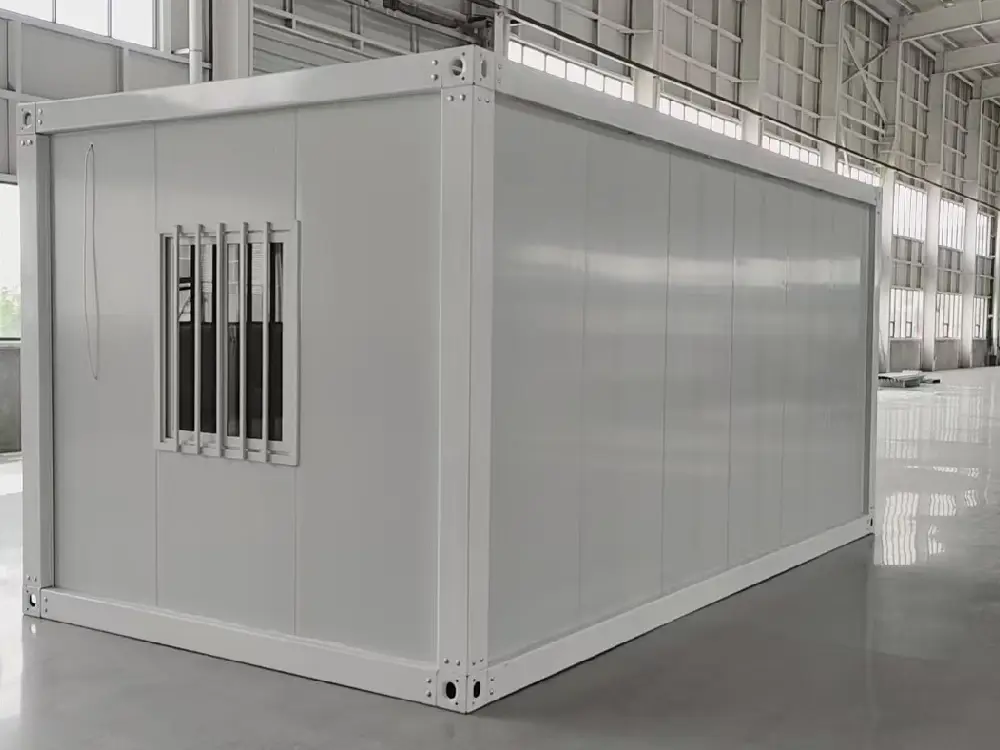
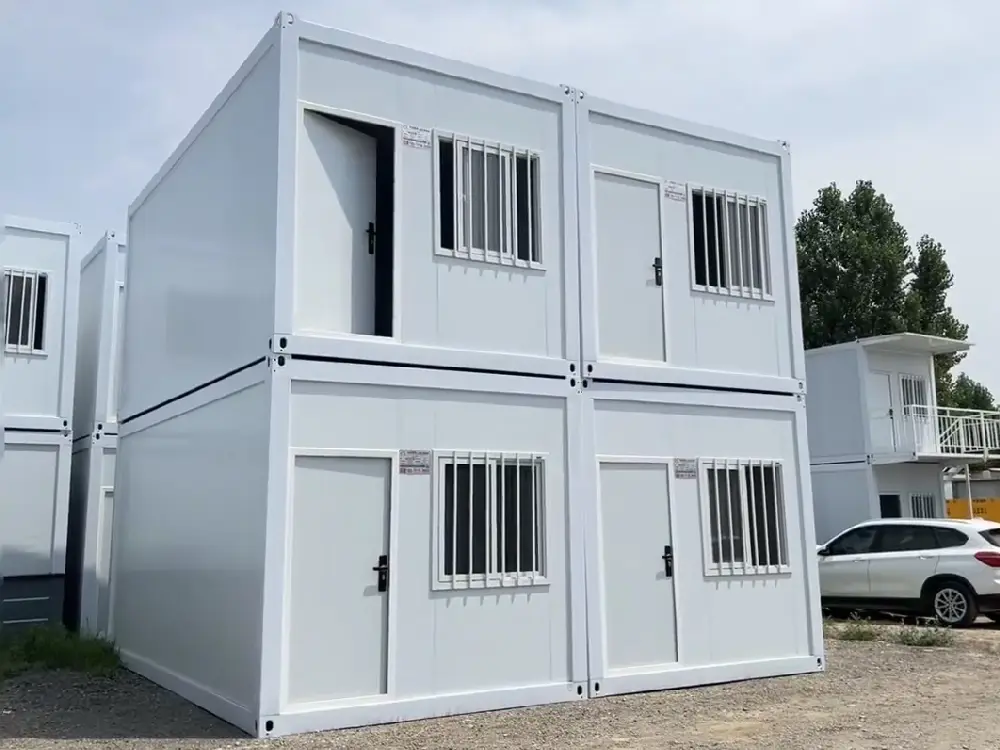
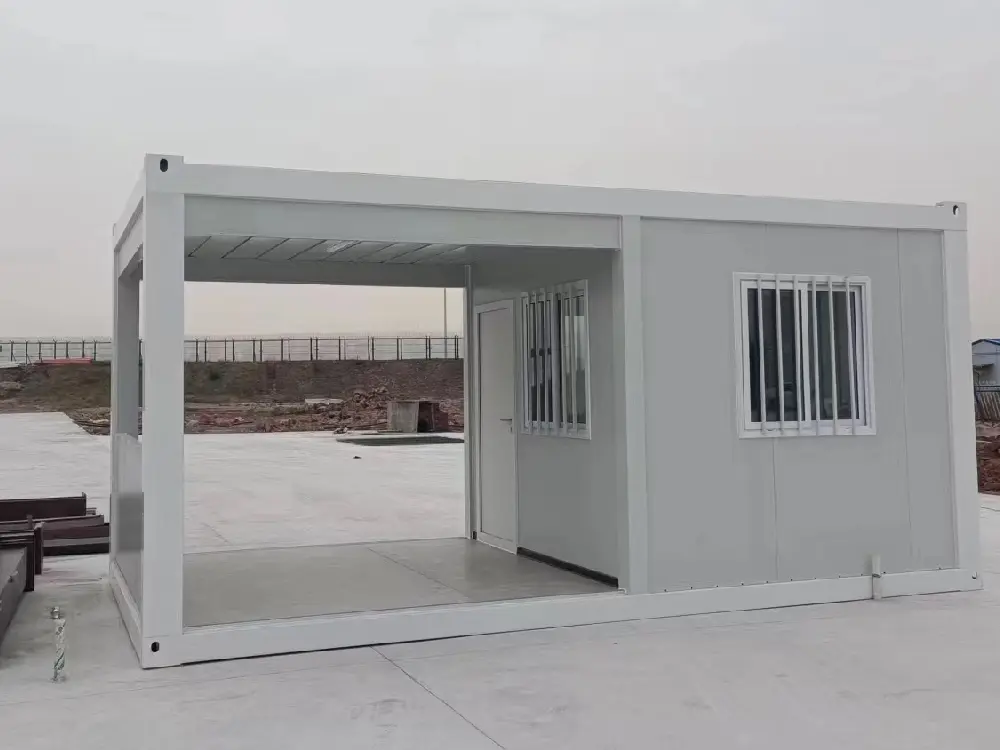
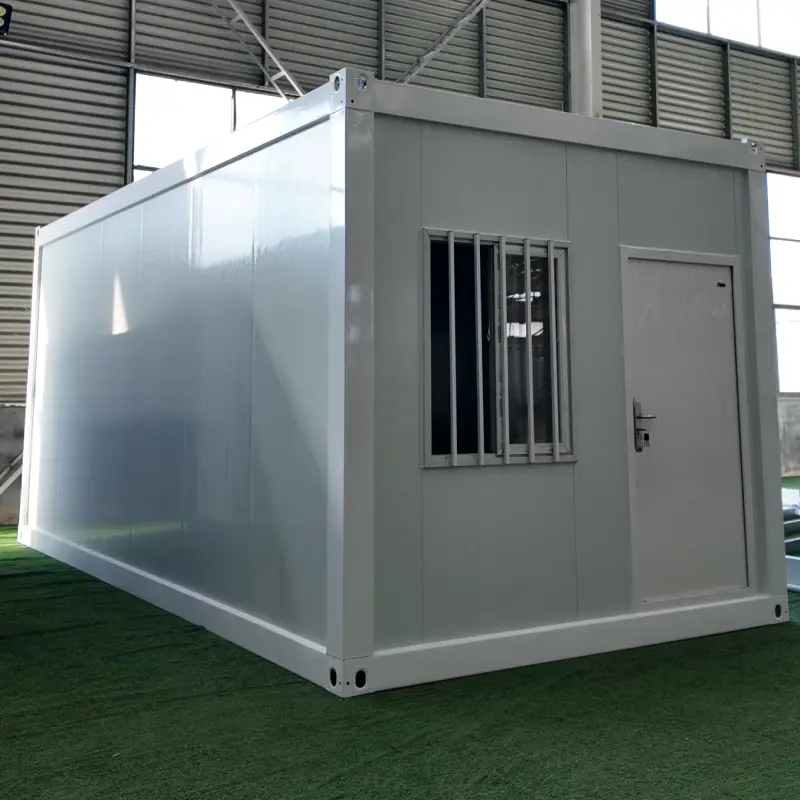
Our emergency pack container shelters utilize a tool-free interlocking design, enabling teams to assemble a fully functional unit in under 30 minutes with minimal training. Unlike traditional tents or concrete structures, our shelters arrive as pre-engineered panels with color-coded connectors, eliminating guesswork. This reduces labor costs by 70% and accelerates crisis response times. For example, during a 2023 flood in Southeast Asia, our shelters housed 200 families within 48 hours of arrival, compared to 7 days for conventional alternatives. The lightweight aluminum frame and reinforced polymer walls ensure stability in 120 mph winds, while the modular layout allows for instant expansion by linking multiple units.

All-in-One Survival Infrastructure

Each shelter integrates self-contained systems for water, power, and sanitation. Built-in rainwater harvesting tanks, solar panels, and UV filtration provide clean water and energy, even in off-grid areas. The included bio-toilet and waste management system meet WHO hygiene standards, preventing disease outbreaks in crowded camps. During a 2022 earthquake in Turkey, our shelters reduced waterborne illnesses by 90% compared to open-air tents. Additionally, the insulated walls maintain temperatures between 50°F–85°F, protecting occupants from heatwaves or frost. Customizable interiors accommodate medical stations, classrooms, or command centers, making them ideal for multi-purpose use.

Related products

Jinan Xinouda’s easy-to-assemble emergency pack container shelters redefine disaster response by merging cutting-edge engineering with user-centric design. Engineered for rapid deployment in crisis zones, these shelters arrive as compact, flat-packed units that transform into 200-square-foot living spaces within 30 minutes. The secret lies in their patented interlocking panel system, which requires no tools, bolts, or specialized labor—only two people can complete the setup using a manual with visual icons. Each shelter is constructed from aerospace-grade aluminum alloy and high-density polymer composites, achieving a 10x strength-to-weight ratio compared to steel containers. This makes them lightweight enough for air transport yet durable enough to withstand earthquakes, hurricanes, and ballistic impacts. The walls feature triple-layer insulation with reflective coatings, maintaining stable indoor temperatures in -22°F to 122°F conditions. Internally, the shelters come pre-fitted with LED lighting, ventilation fans, and modular furniture that folds flat when not in use. For medical emergencies, optional upgrades include negative-pressure rooms, UV sterilization ports, and oxygen supply lines. The roof doubles as a solar panel array, generating 2.4 kW of electricity daily to power appliances, charge devices, or operate water pumps. Water independence is achieved through a 500-gallon rainwater harvesting tank paired with a multi-stage filtration system that removes 99.9% of pathogens. Waste management is equally innovative: a composting toilet converts human waste into fertilizer, while greywater is filtered for reuse in irrigation. These features align with UN Sustainable Development Goals, reducing environmental impact in fragile ecosystems. Logistically, the shelters stack 4 units high in shipping containers, cutting transportation costs by 40% compared to traditional modular buildings. Their flat-pack design also minimizes damage during transit, with a 98% intact arrival rate even in rough seas. Clients praise the shelters’ versatility—they’ve been deployed as COVID-19 quarantine units in Africa, post-hurricane recovery hubs in the Caribbean, and refugee housing in Europe. The ability to disassemble and relocate shelters within 2 hours ensures resources aren’t wasted when communities rebuild. By choosing Xinouda, organizations gain a partner committed to innovation, sustainability, and humanitarian impact. Our shelters aren’t just structures; they’re lifelines that restore dignity and safety when disaster strikes.

Frequently Asked Questions

How many people can assemble one shelter, and what tools are needed?

Each emergency pack container shelter is designed for assembly by 2 people with no tools required. The interlocking panels feature proprietary snap-fit connectors and color-coded guides, enabling complete setup in 25–30 minutes. Training videos and multilingual manuals are provided, but most users assemble their first unit correctly without guidance. During field tests, untrained volunteers in rural Uganda assembled 10 shelters in under 4 hours. The design eliminates risks associated with power tools or heavy machinery, making it safe for all ages and skill levels.
Our shelters are engineered for 15+ years of continuous use in harsh environments. The aluminum frame resists corrosion, while the polymer walls are UV-stabilized to prevent fading or cracking. After initial deployment, shelters can be disassembled, inspected, and redeployed up to 20 times without structural compromise. In a 2021 study by the Red Cross, shelters reused 8 times showed only 3% wear on critical components. For long-term storage, panels can be stacked flat in a warehouse, occupying 80% less space than assembled units.

Related Articles

Vertical Expansion: A New Trend in Container Homes

06

May

Vertical Expansion: A New Trend in Container Homes

The Rise of Vertical Expansion in Container LivingAddressing Urban Space Scarcity Cities around the world are running out of room as more people pack into urban centers and affordable housing becomes harder to find. We need something new, and buildin...
View More
Quick - Assembly Container Houses: A Step - by - Step Guide

06

May

Quick - Assembly Container Houses: A Step - by - Step Guide

Planning Your Quick-Assembly Container House Assessing Needs for Container Kit House Designs Starting with what the container kit house will actually be used for is probably the most important first step in the planning process since this basic deci...
View More
Emergency Pack Container Shelters: Rapid Relief Solutions

06

May

Emergency Pack Container Shelters: Rapid Relief Solutions

Understanding Emergency Pack Container Shelters for Disaster ResponseWhy Rapid Deployment Matters in Crisis Situations Getting things deployed fast matters a lot when disasters hit, especially after roads get washed away or buildings collapse. The ti...
View More
Easy - to - Build Container Homes for Beginners

08

May

Easy - to - Build Container Homes for Beginners

Why Container Homes Are Ideal for First-Time Builders Affordable Entry Point for Sustainable Living Container homes present a much cheaper option compared to regular houses, sometimes coming in at around half the price of what people typically pay ...
View More

customer evaluation

Carl
A Game-Changer for Disaster Zones

We deployed Xinouda’s shelters after a typhoon destroyed 3,000 homes in the Philippines. The speed of assembly was incredible—our volunteers set up 50 units in one day, providing immediate shelter to 400 families. The built-in solar panels and water filters meant we didn’t need external power or water trucks, which is critical in remote areas. Families appreciated the privacy compared to tents, and the durability held up during subsequent monsoons. We’ve since ordered 200 more units for our regional stockpile.

Cole
Medical Teams Love the Modularity

As a humanitarian NGO, we needed shelters that could double as clinics. Xinouda customized units with fold-down exam tables, sterilization stations, and drug storage. During a cholera outbreak in Haiti, these shelters functioned as isolation wards with negative-pressure ventilation. The lightweight design allowed us to airlift them into mountainous regions where roads were impassable. After the crisis, we repurposed the shelters as community health centers, proving their long-term value. The company’s technical support team was available 24/7, which is rare in this industry.

Get a Free Quote

Our representative will contact you soon.
Email
WhatsApp
Name
Company Name
Message
0/1000
 Climate-Resilient Engineering

Climate-Resilient Engineering

Each shelter undergoes rigorous testing to meet FEMA P-361 standards for extreme weather. The aerodynamic roof design reduces wind uplift by 60%, while the subfloor insulation prevents ground moisture from seeping in. In fire-prone regions, optional fire-retardant coatings withstand 2,000°F temperatures for 2 hours, buying critical evacuation time.
Zero-Waste Deployment

Zero-Waste Deployment

From production to disposal, our shelters minimize environmental impact. The aluminum is 100% recyclable, and the polymer panels are biodegradable within 5 years under composting conditions. During assembly, all packaging materials double as insulation or furniture components, leaving no waste behind.
Smart Connectivity

Smart Connectivity

Integrated IoT sensors monitor structural integrity, temperature, and air quality in real time. Data is accessible via a mobile app, alerting managers to issues like leaks or power failures. This proactive maintenance reduces downtime and ensures occupant safety, even in unstaffed locations.
Email Email WhatsApp WhatsApp Facebook Facebook Youtube Youtube Instagram Instagram Tiktok Tiktok Linkedin Linkedin
Newsletter
Please Leave A Message With Us